
Today we are taking a look at another unique lens from manufacturer Laowa, the 20mm F4 Zero-D Shift.
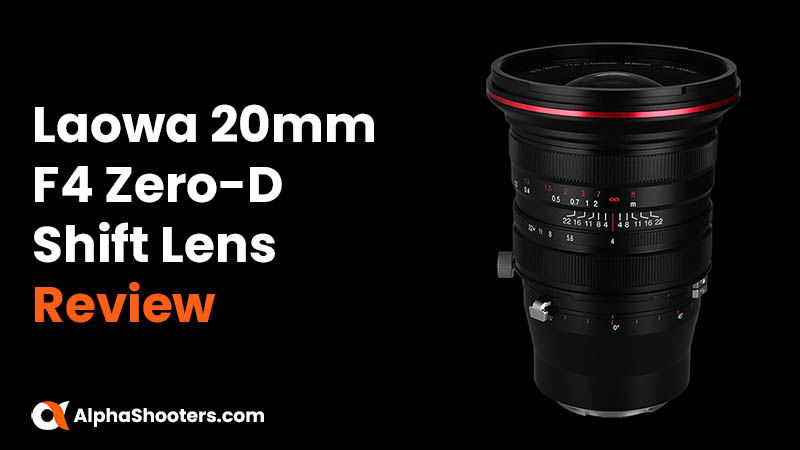
Table of Contents[Hide][Show]
Introduction
In a market filled with numerous moderately fast wide-angle options for the Sony E-mount (just think about Tamron’s 20mm and 24mm, or Sony’s 24mm), the 20mm F4 from Laowa needs something to set it apart. And that something is, of course, its shift ability.
There aren’t many shift lenses available for Sony full frame cameras, so another option is always welcome.
Shift lenses offer composition possibilities otherwise impossible to achieve and can be invaluable to architecture or real estate photographers, among others.
In this in-depth review, we will take a look at all the technical and artistic parameters which help to define a lens. Read on to find out everything there is to know about the Laowa 20mm F4 Zero-D Shift!
Specifications
| Lens Name | Laowa 20mm F20 Zero-D Shift |
| Optical formula | 16 elements in 11 groups |
| Image circle | Full frame |
| Field of view diagonal | FF: 94.5° APS-C: 70.2° |
| Aperture range | F4/F22 |
| Aperture blades | 14, curved |
| Aperture ring | Yes |
| Max magnification | 0.17x |
| Minimum focus distance | 250mm |
| Internal focus | Yes |
| Filter thread diameter | 82mm |
| Lens cap | NA |
| Lens hood | Removable and rotating petal-shaped |
| Diameter x Length | 95 x 91 mm (3.7 x 3.6 in) |
| Weight | 747 g (26.4 oz) |
| Price (US MSRP) | $1099 |
Construction and Handling
In this section, we take a look at the physical characteristics of the Laowa 20mm Shift.
Front Element
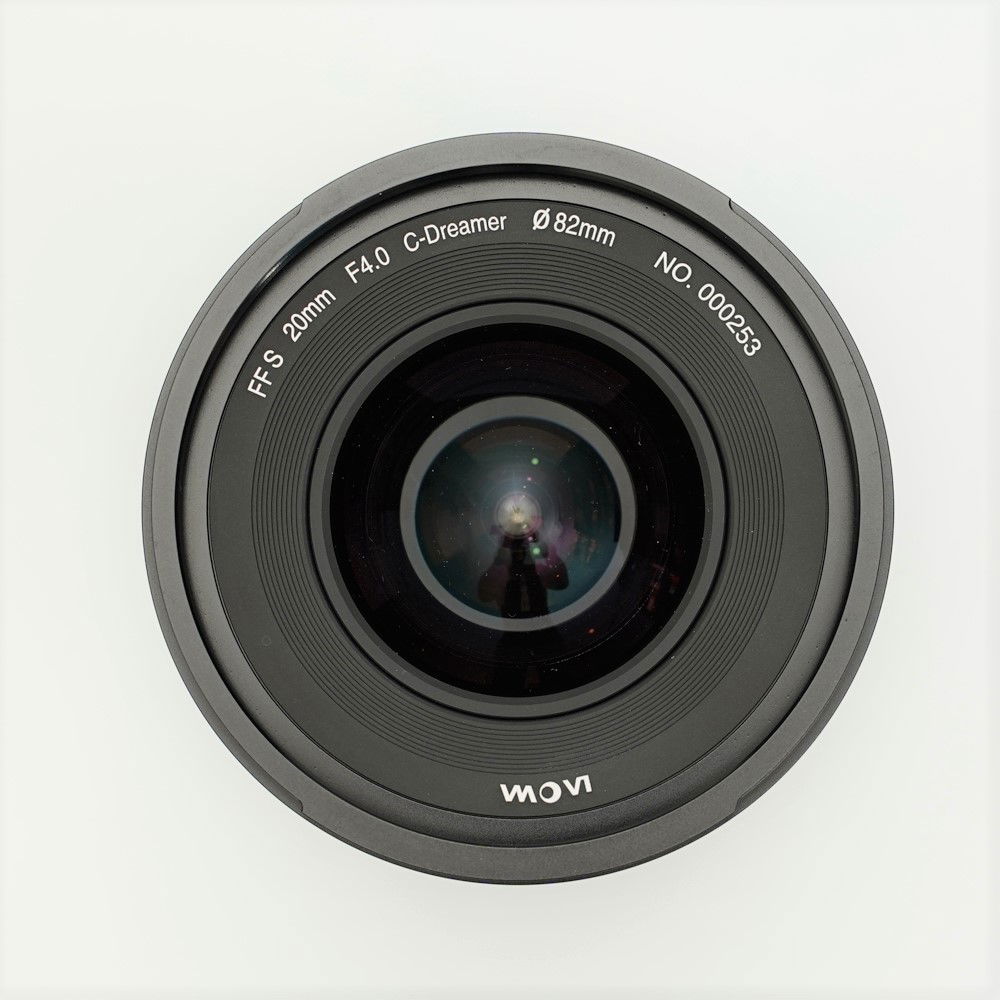
The front of the lens bears the lens’s name and serial number. It also features the label “C-Dreamer”.
The lens can accept regular filters, albeit with a large 82mm diameter.
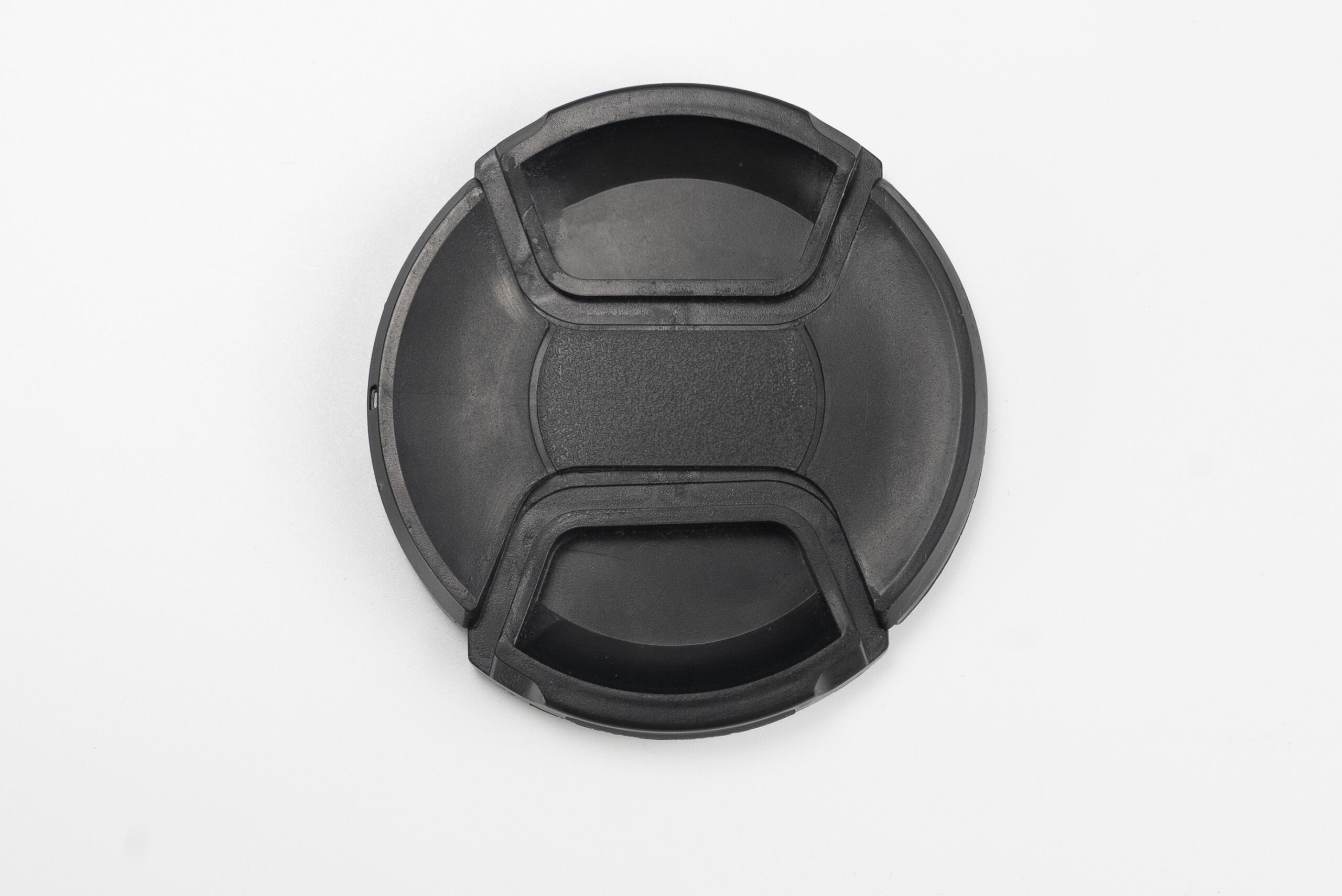
Our sample did not shift with a lens cap. The picture above, supplied by the manufacturer, shows the regular lens cap normally included.
Lens Body
The Laowa 20mm Shift is a lens originally designed for DSLRs. As such, when sold for a mirrorless camera such as a Sony FE body, the company adds a section near the base of the lens to make it longer. Alternatively (as is the case with our sample, which is in fact a Pentax K-mount lens) it is possible to use a passive lens adapter, as we did. When purchasing a Sony FE version, a black and featureless tube is part of the lens in place of our third-party adapter. In our review, we will neglect this aspect and talk about the other features of the lens.
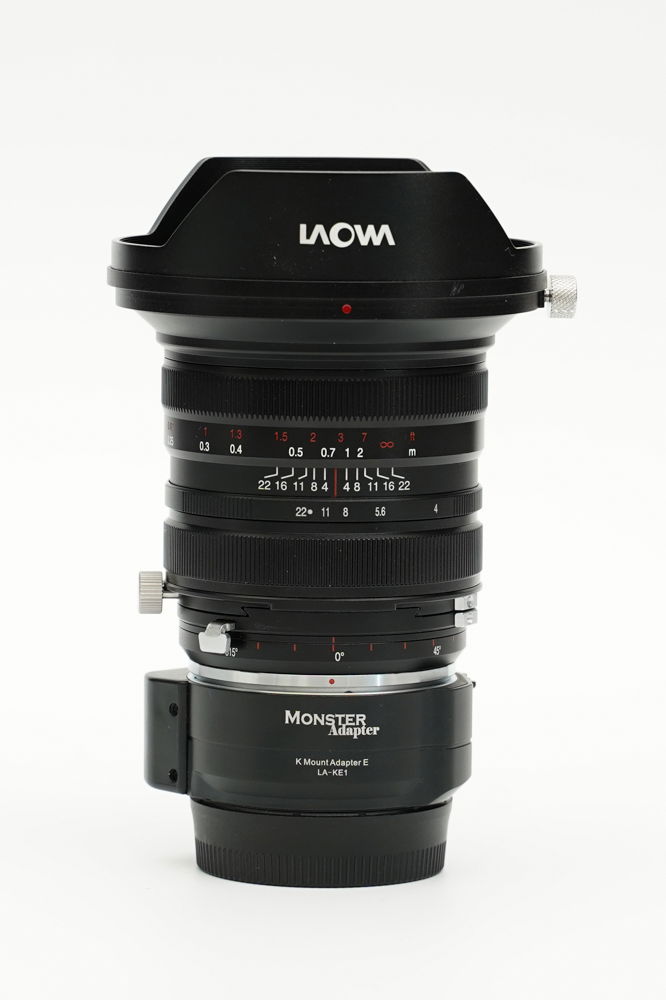
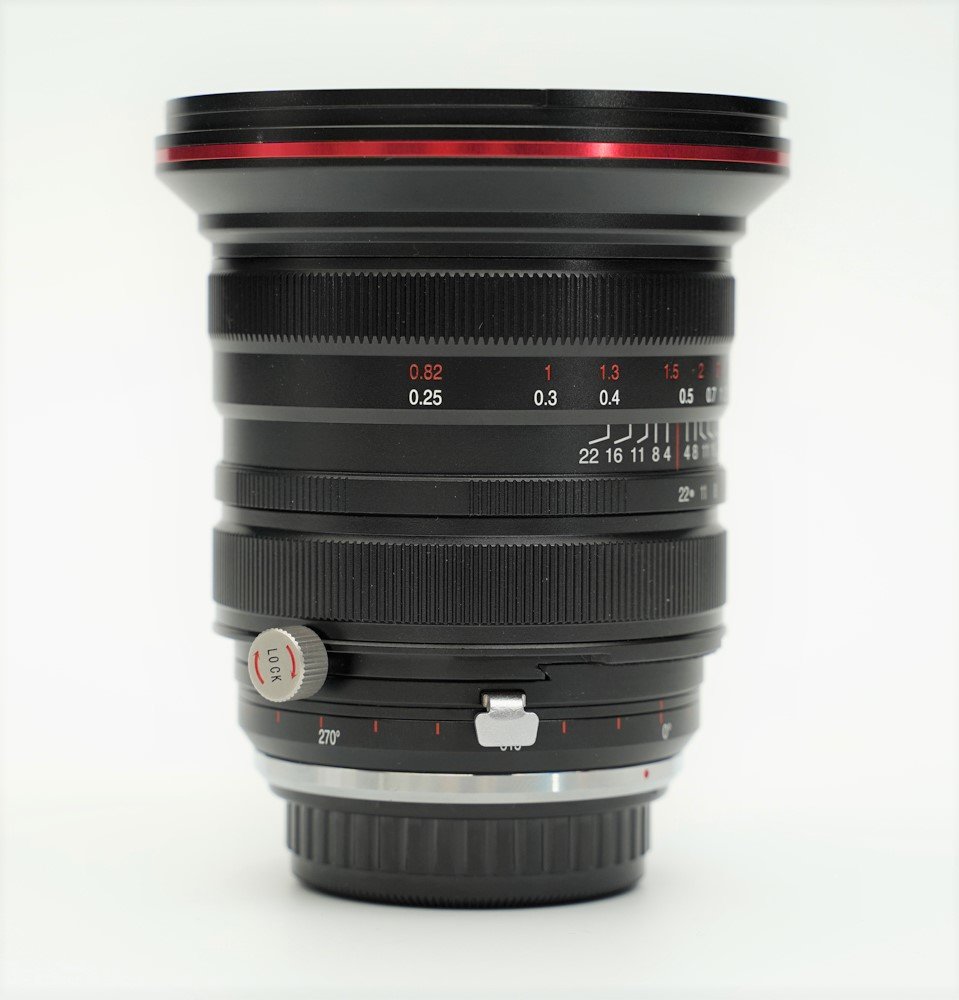
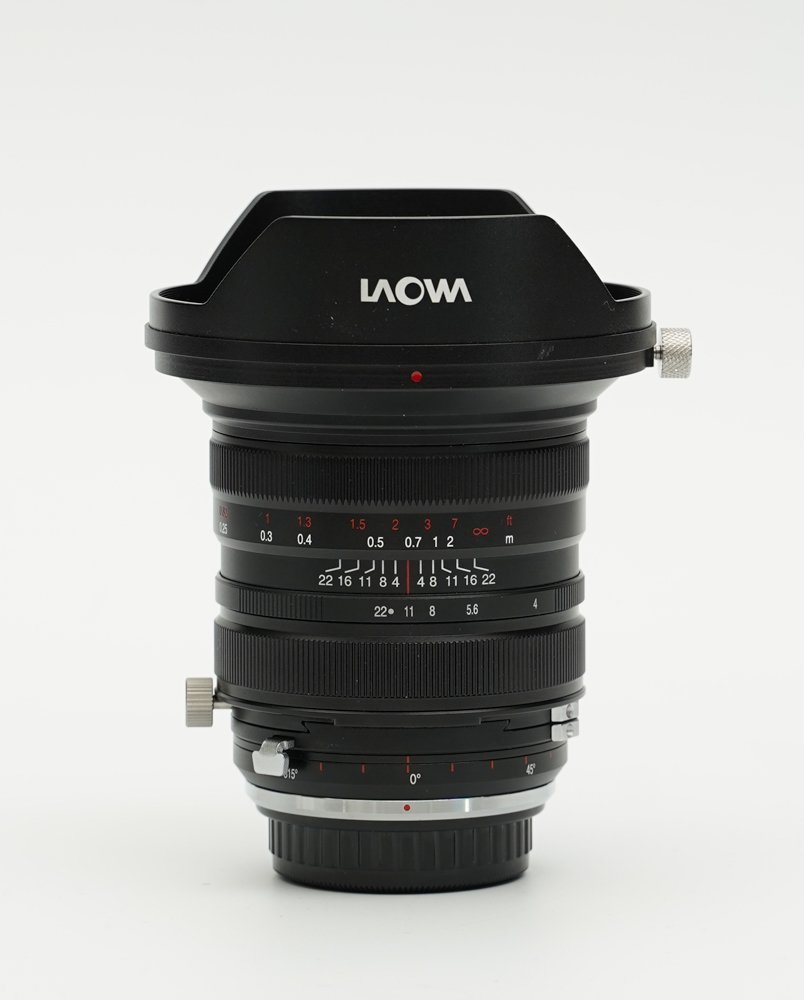
The Laowa 20mm Shift has a larger than usual number of controls and knobs. The first is encountered near the base. A silver lever allows the lens to rotate on its axis. The rotation is fluid, with clicks at strategic angles. There are markings at each 45° angle, plus lines between those values.
Right above is where the “shifting” occurs. This is done by rotating a ring, like a focus ring. Its movement is, again, nice and fluid, with a click at the zero position. A knob on the left side locks the shifting ring. A scale on the right side shows the amount of shift taking place. It is graduated in millimeters.
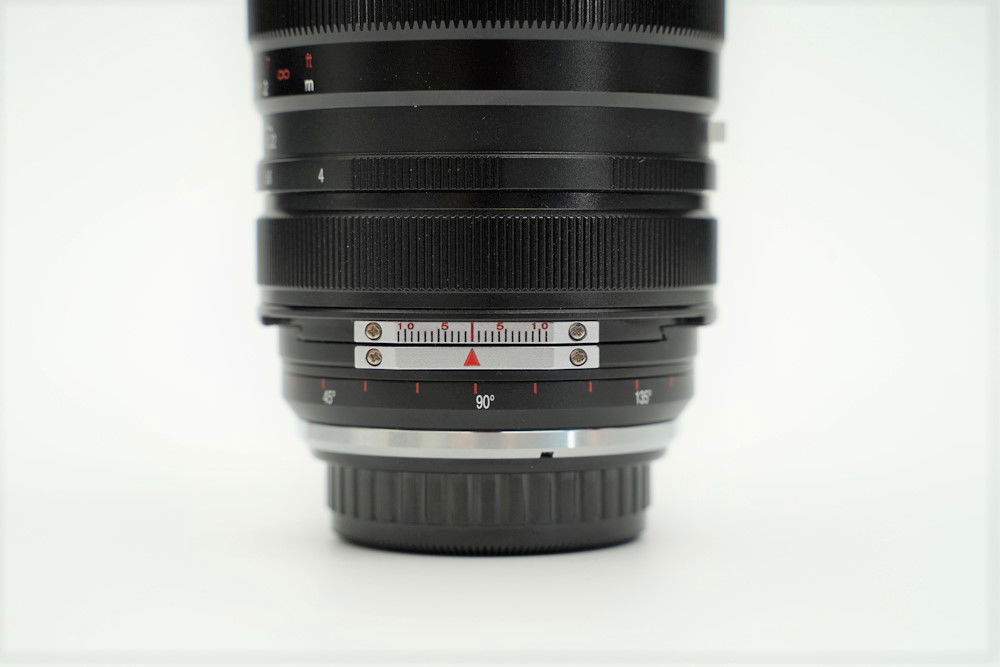
The shifting effect on the body is illustrated by the two following pictures. It is obvious that Laowa puts some lubricant to make sure the movement remains fluid. It does not seem likely to leak.
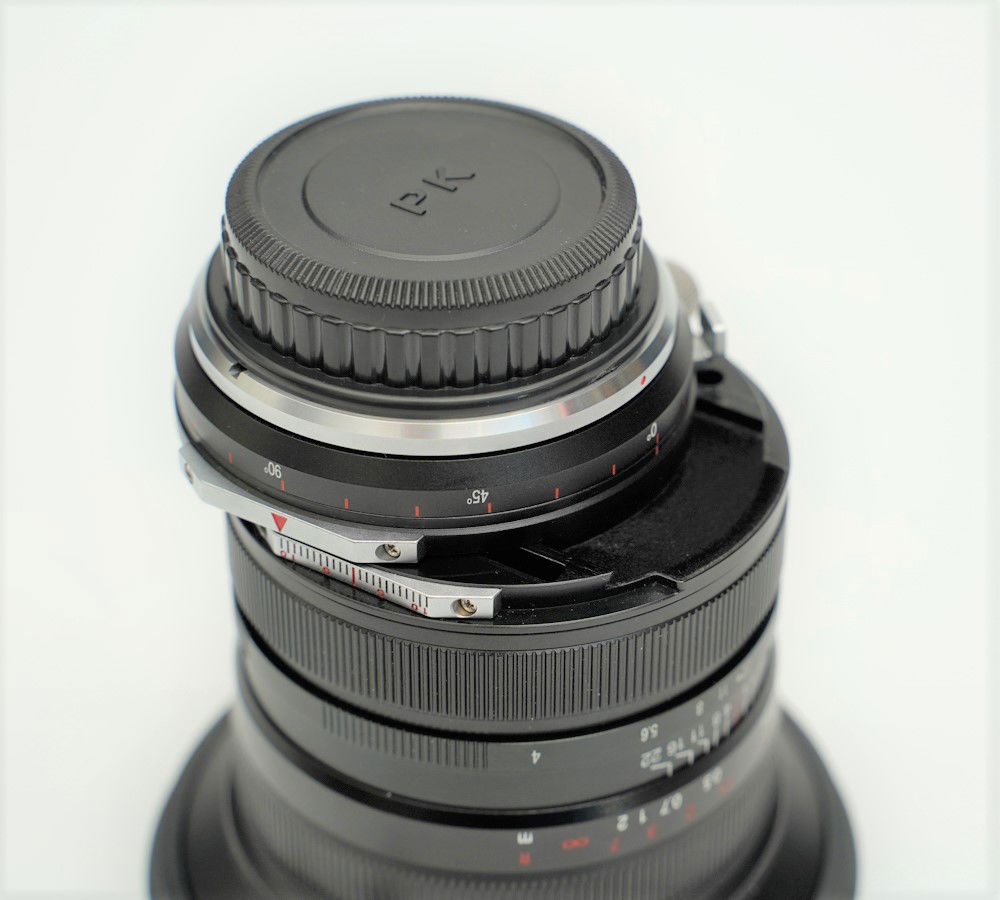
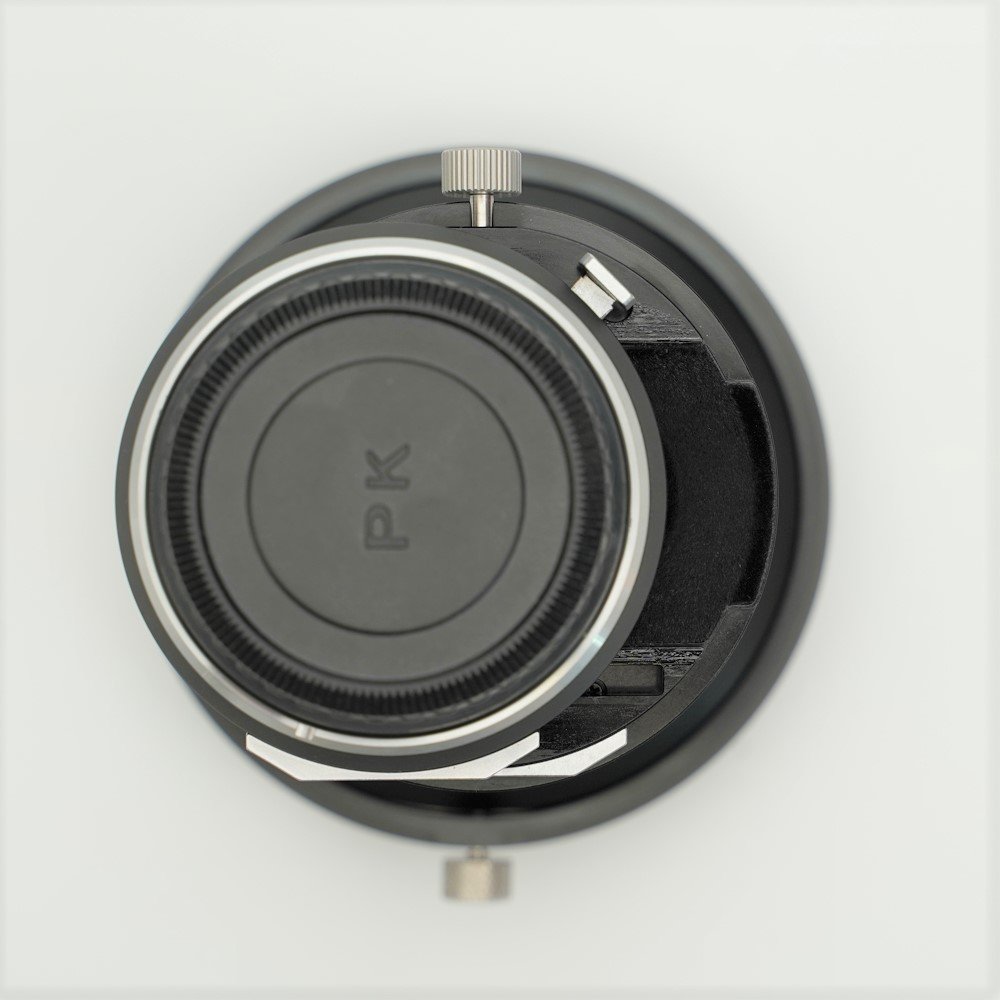
The images below further illustrates the shifting process.
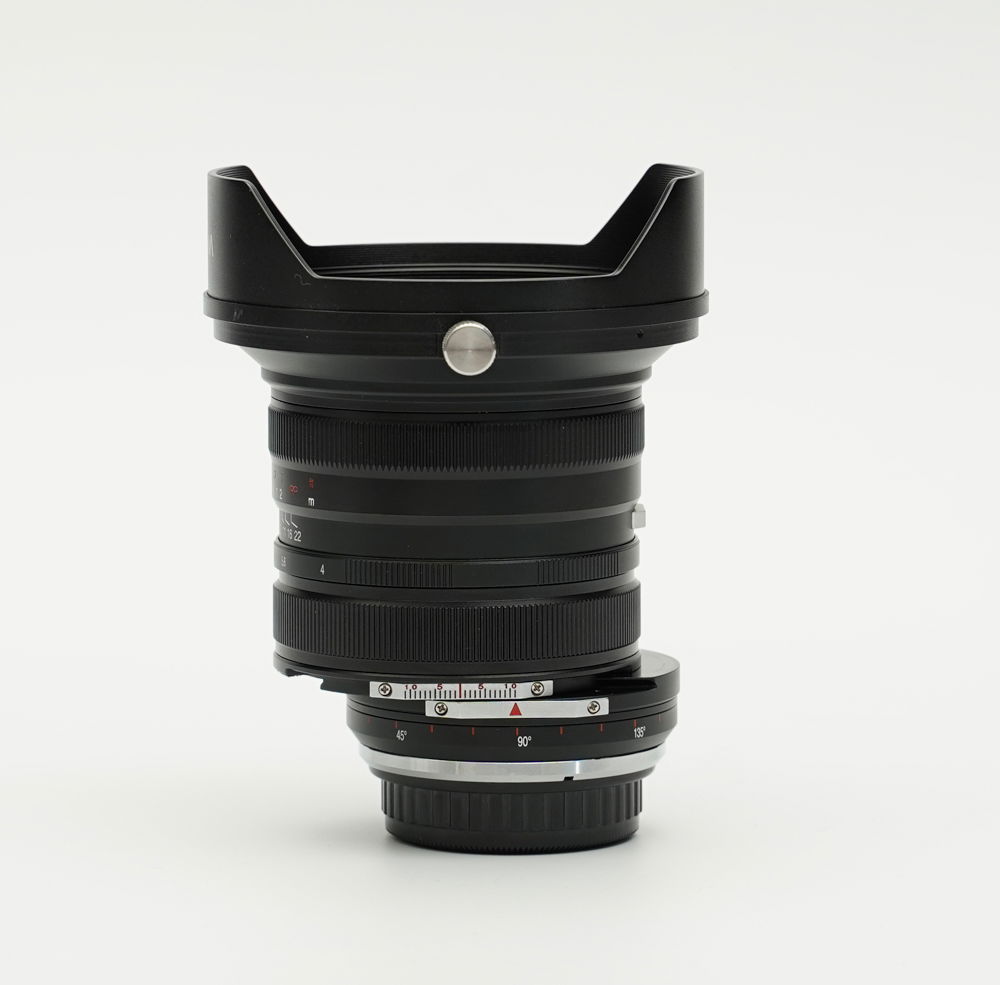
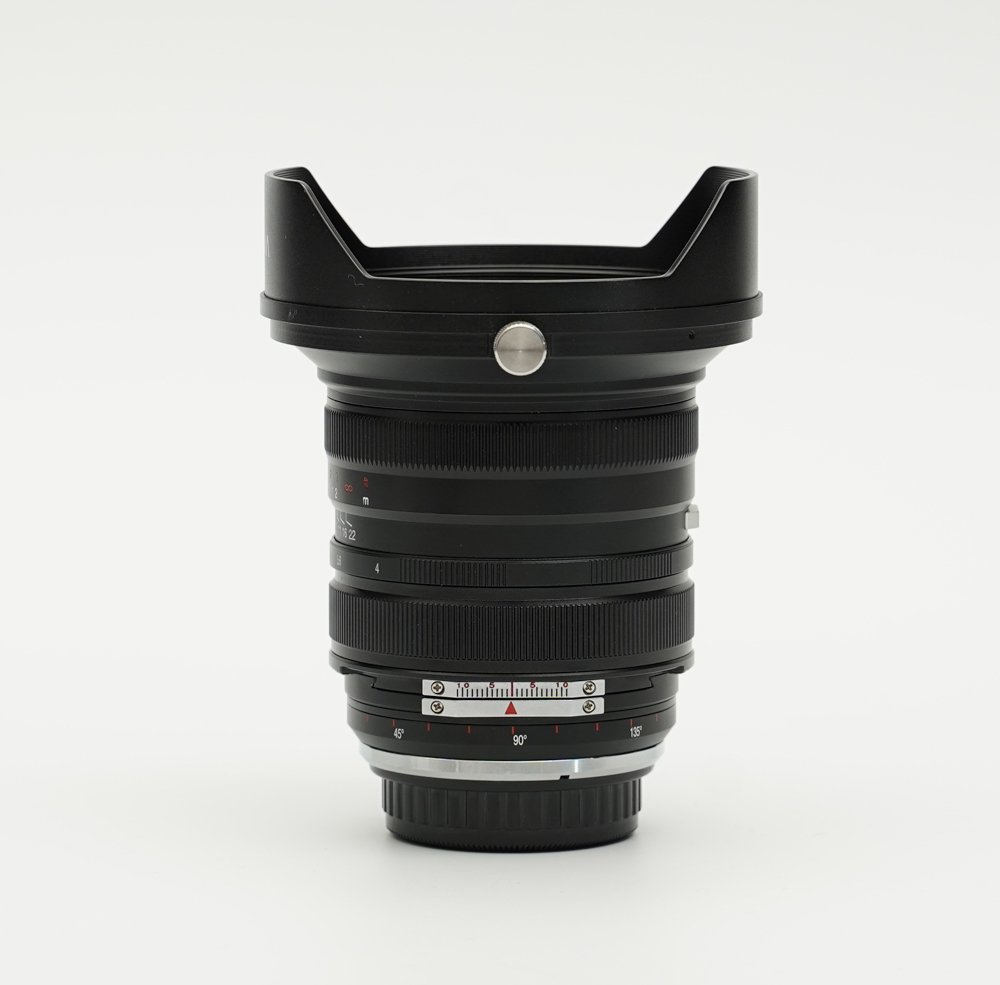
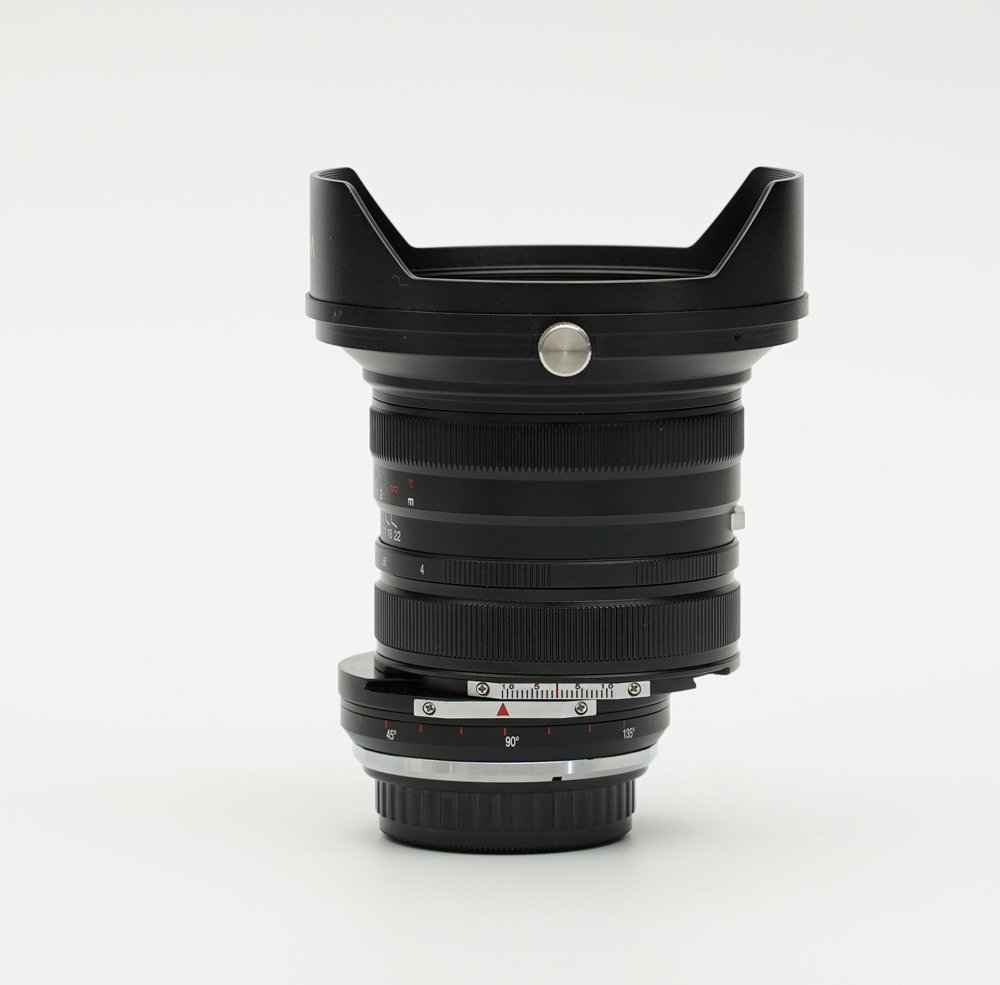
Above the shift ring is the aperture ring. Much narrower, it has values for all full stop apertures except F16, replaced by a dot. A nice DOF scale is located right above. It bears markings for all aperture values, so it can actually be useful instead of merely cosmetic.
Next is the focus ring. Like the rest of the lens, it also operates smoothly and with good dampening. The craftsmanship quality is impressive and on par with what we normally see from Laowa.
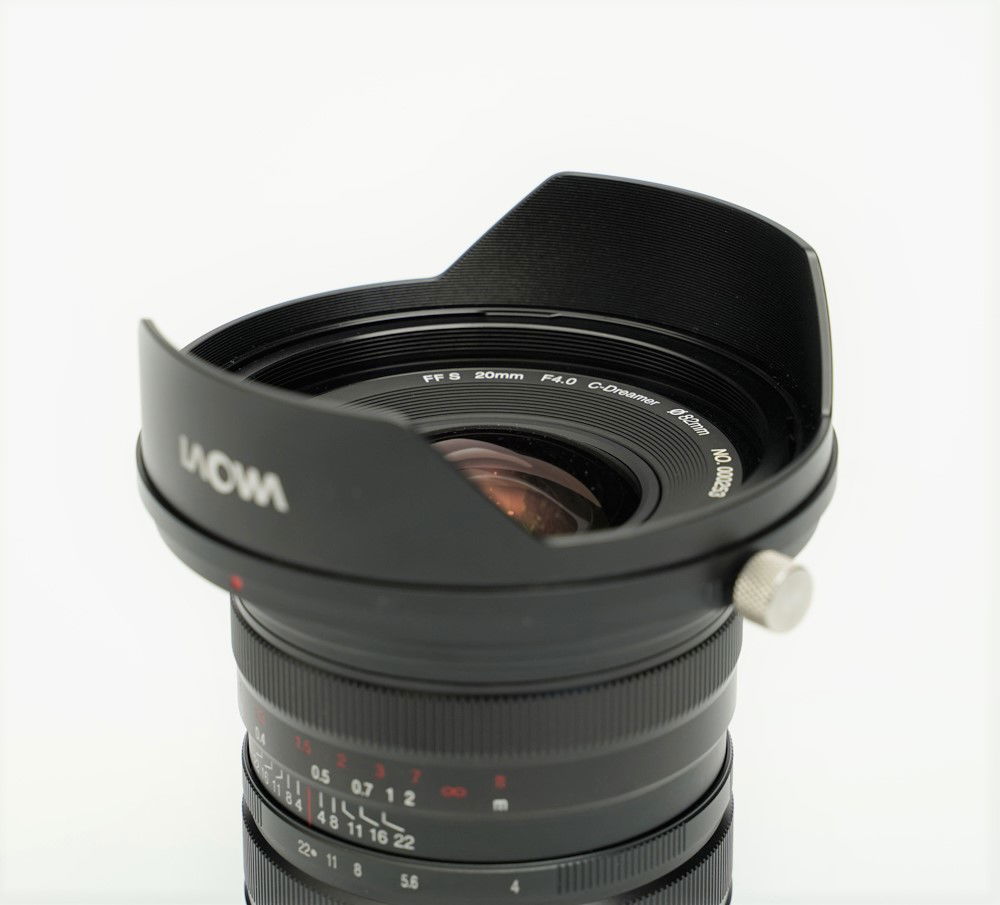
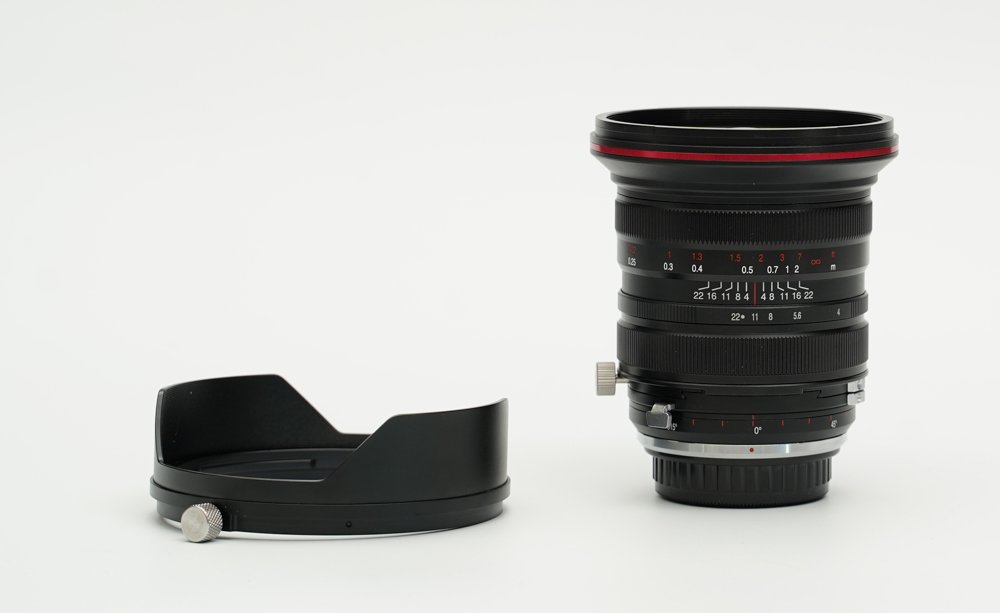
The lens tapers out towards the front. Normally, Laowa lenses bear a blue ring; this one has a red ring (hidden when the lens hood is mounted).
The lens does not extend when focusing.
Aperture
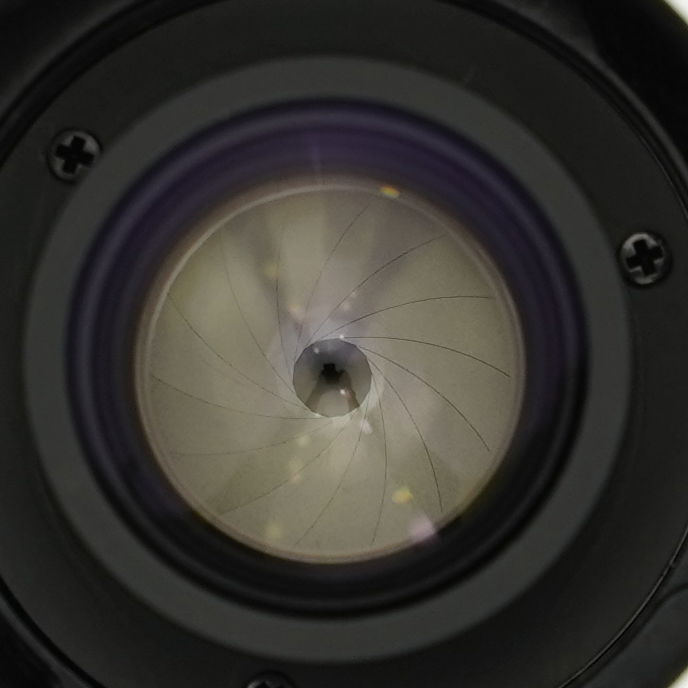
The Laowa 20mm uses 14 curved aperture blades. This is among the highest number of any recent lens, and should contribute to creating pleasing bokeh.
Lens Mount
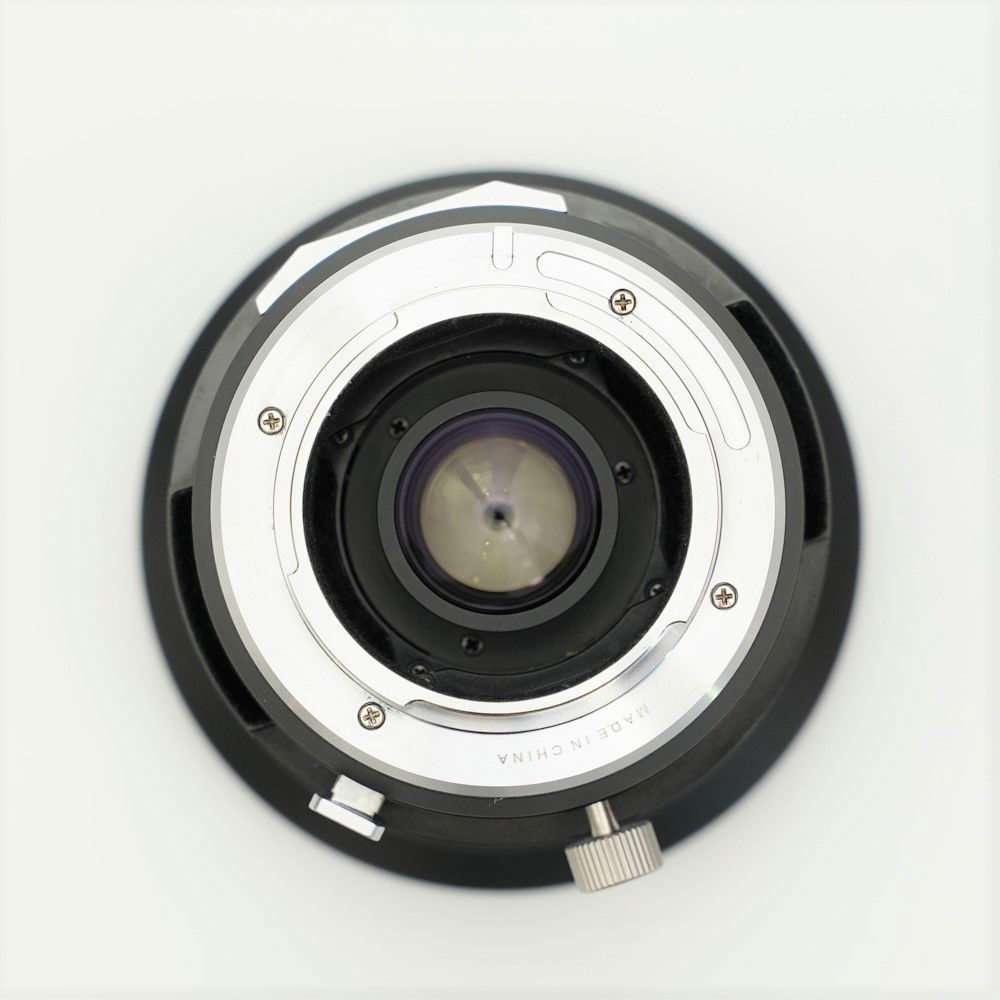
The lens mount is metal.
Lens hood
The hood is petal-shaped and big. It is fully made of metal, and locks on the lens via a knob. It can be removed but not reversed. The lens hood can rotate freely (with clicks at several angles).
Mounted On Camera
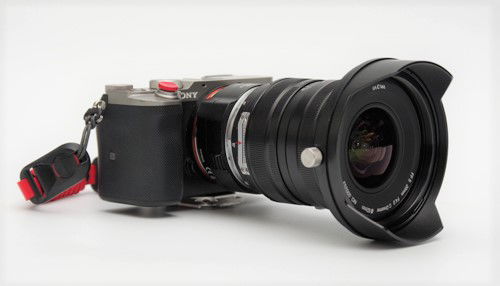
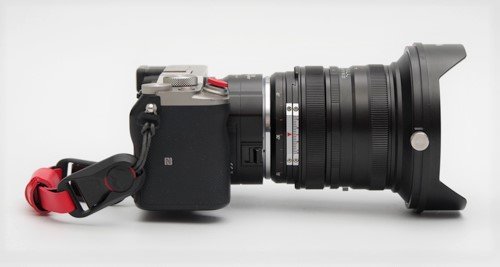
The Laowa 20mm, with its large hood, dwarfs the diminutive A7C, but still handles well. Only the lever allowing the lens to rotate can be hard to press, being close to the camera body.
Side by side
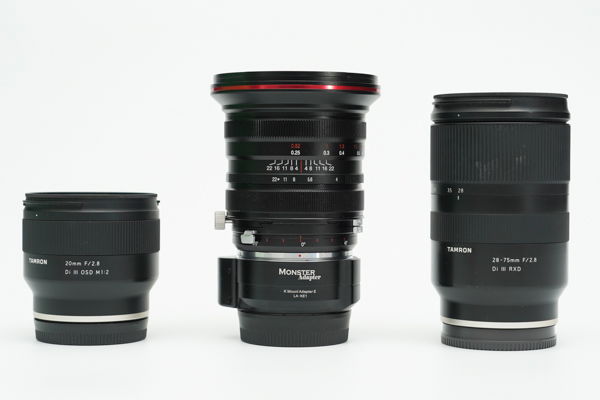
Here is the Laowa 20mm next to the Tamron 20mm F2.8 and Tamron 28-75mm F2.8. We included the mount adapter to show the real size of a Sony version of the Laowa lens.
Focusing
Focusing with the Laowa 20mm is fully manual. As expected from Laowa, operation of the focus ring is excellent. There is pleasant dampening, a well-tuned level of friction and no backlash. Each time, Laowa impresses us with the quality and accuracy of their focus mechanism.
With the Laowa 10-18mm, we reported difficulties with focus peaking. The same occurs here, to a lesser degree because of the larger maximum aperture. It is advisable to do a rough validation with the distance scale to confirm the focus point is ni the right ballpark. In challenging conditions, it can be advisable to open the aperture to F4, focus, then close it back.
General Image Quality
Before diving into the technical aspects of this review, let’s have a look at the more subjective elements which can make or break an image.
Field of View
The Laowa 20mm’s field of view sits at the beginning of what is generally described as “ultra wide angle”. Most normal zooms reach down to 24mm or 28mm, so a 20mm lens couples nicely with these lenses and expands the possibilities. 20mm is well tuned to architecture, one of the main reasons to get a shift lens in the first place.
The lens’ well-controlled distortion is a definite advantage also. Laowa has a well-established expertise in this regard, and the 20mm Zero-D does not disappoint. This “Zero-D” label means the company considers the lens as part of its best-controlled products.
The Laowa 20mm offers close focusing capabilities. This further improves the usefulness of the lens. Close focusing with ultra wide fields of view offers creative possibilities.
Color and Contrast
Colours are well-toned and a bit dramatic. The can have a painting-like appearance in the right situation.
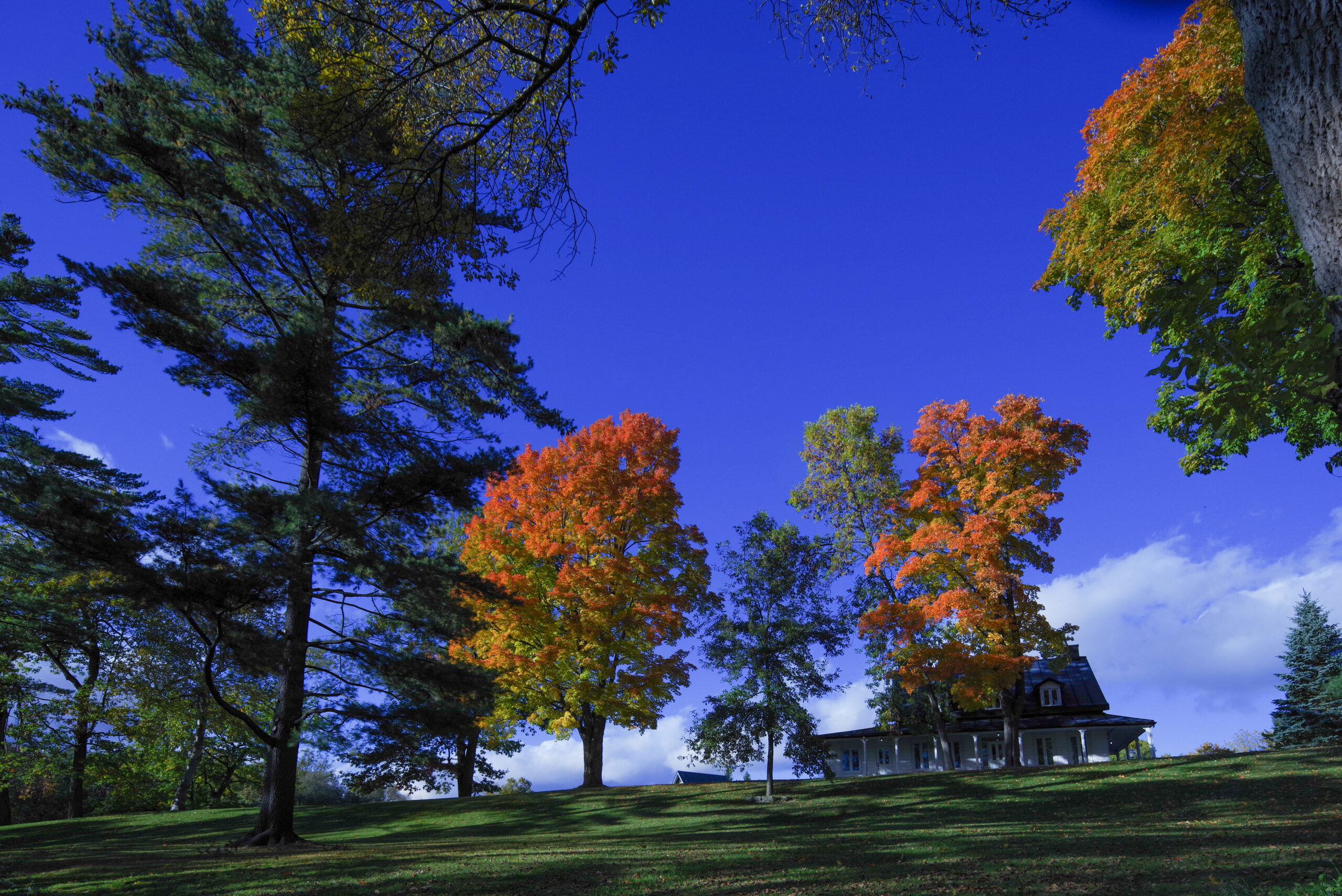
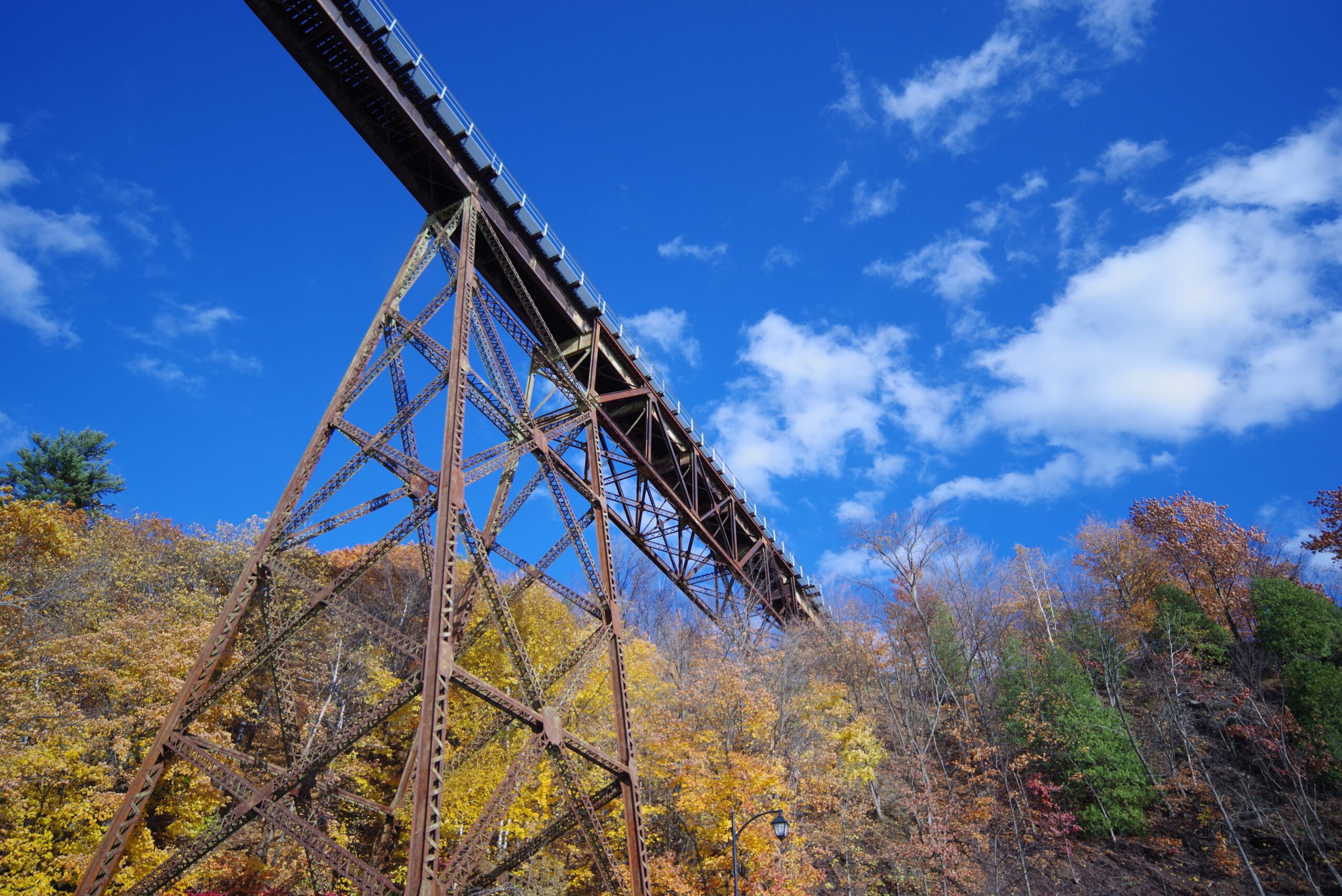

Contrast is not as harsh as with some other Laowa lenses. This is beneficial. The 20mm retains the company’s signature look with a bit of a film-like appearance, but results are more subdued and subtle. New releases from Laowa generally look like this; it seems the company tuned down a bit the contrast in their more recent designs.
Starbursts
With its whopping 14 curved aperture blades, the Laowa 20mm is able to produce superb starbursts at all apertures.
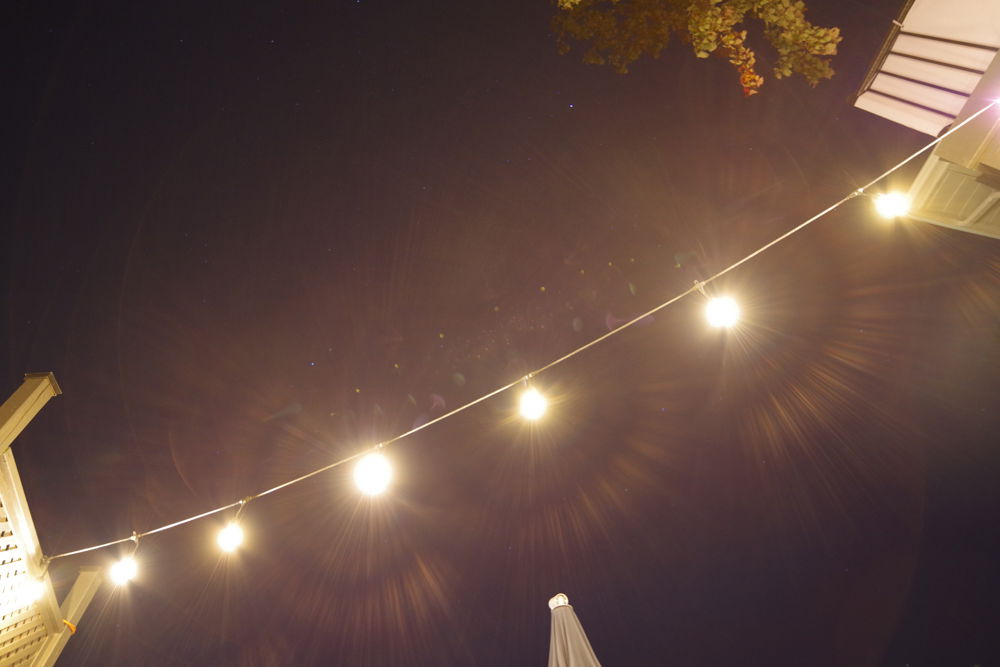
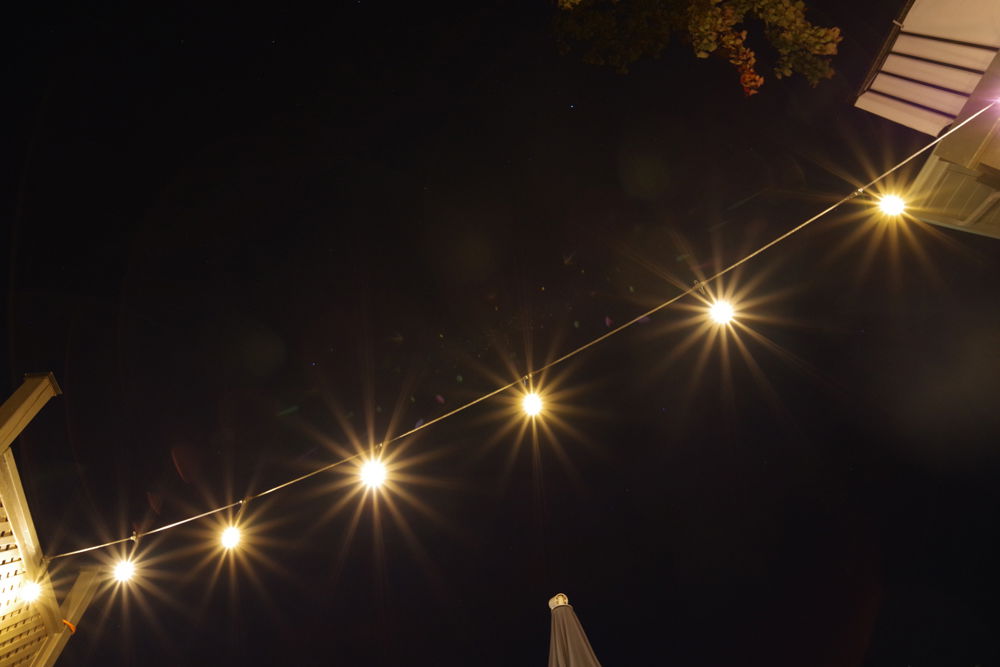
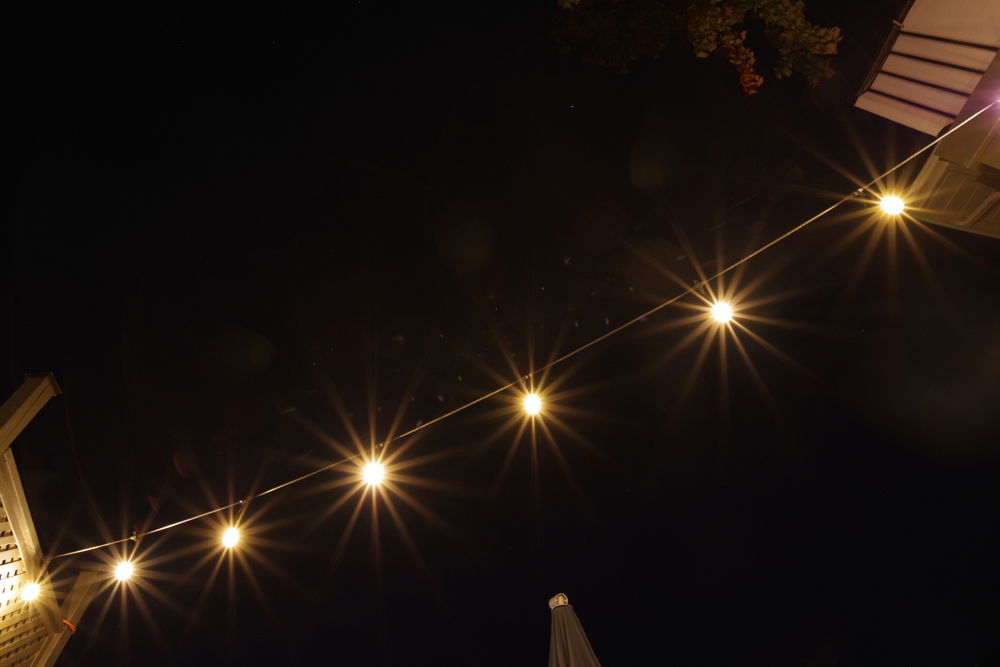
The 20mm’s starbursts are a key highlight for anyone who enjoys their presence in pictures.
Shift Function
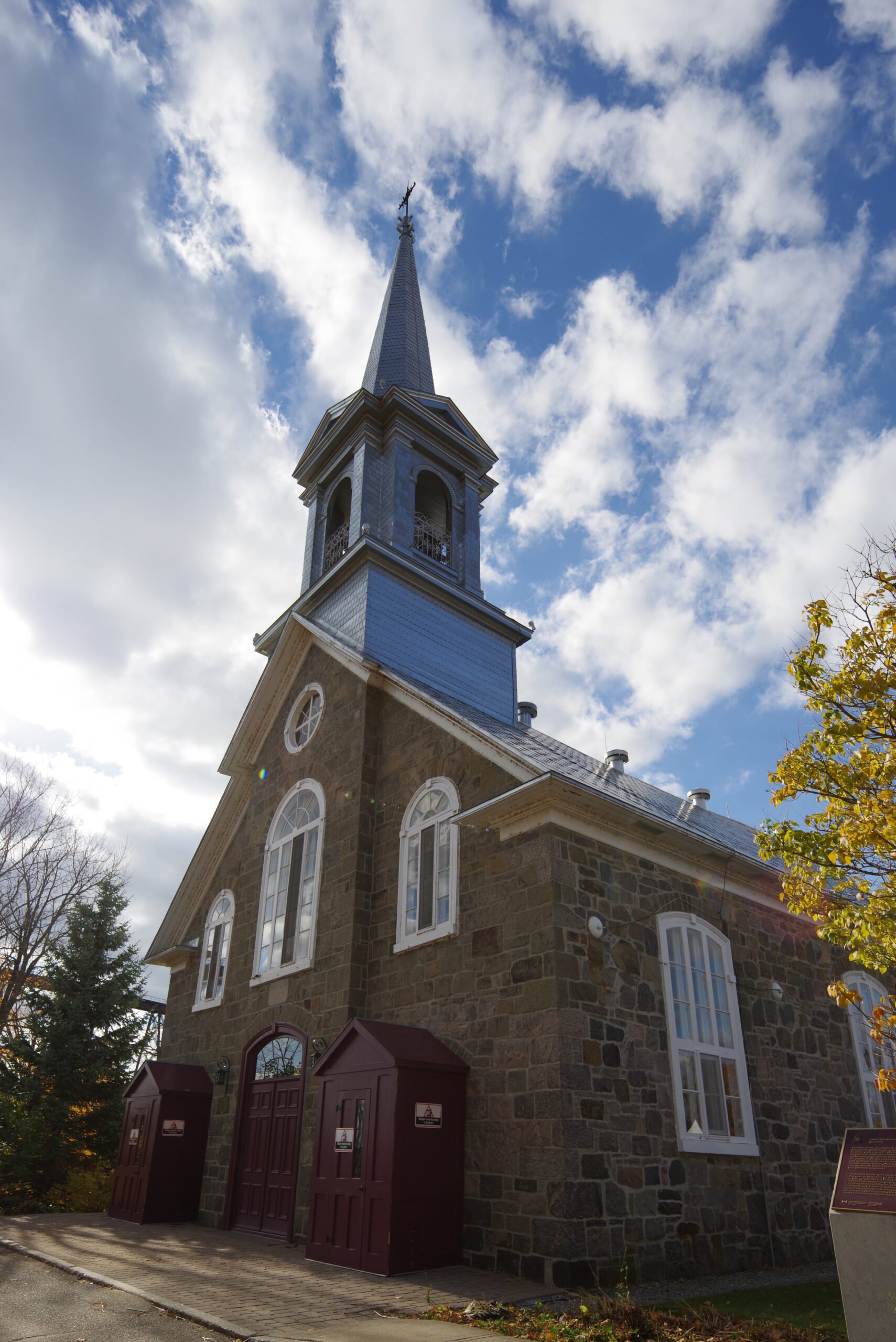
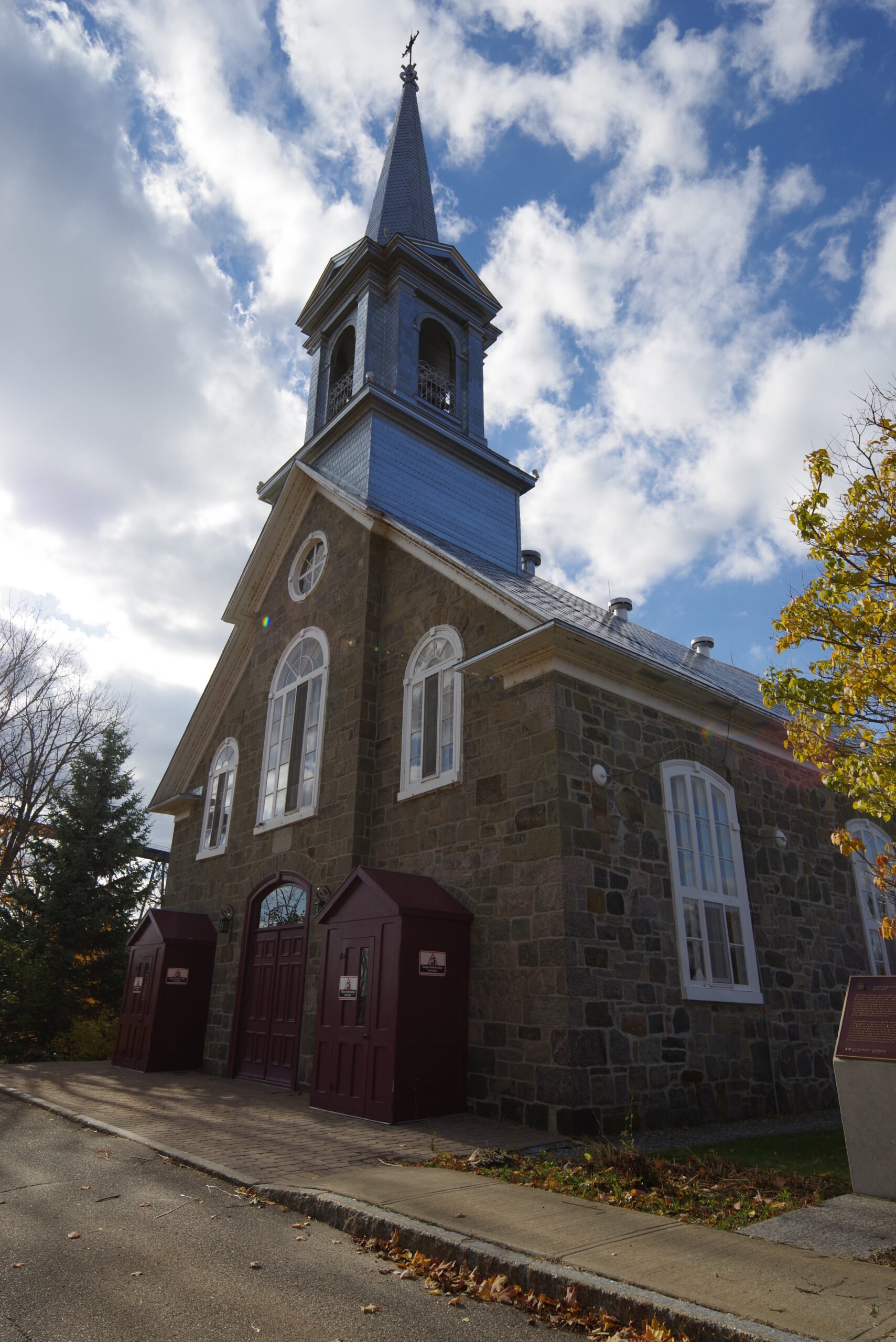
What sets this lens apart is, of course, its ability to be shifted and thus impact the perspective of an image. The effect is best illustrated with the two images below, shot on a tripod.

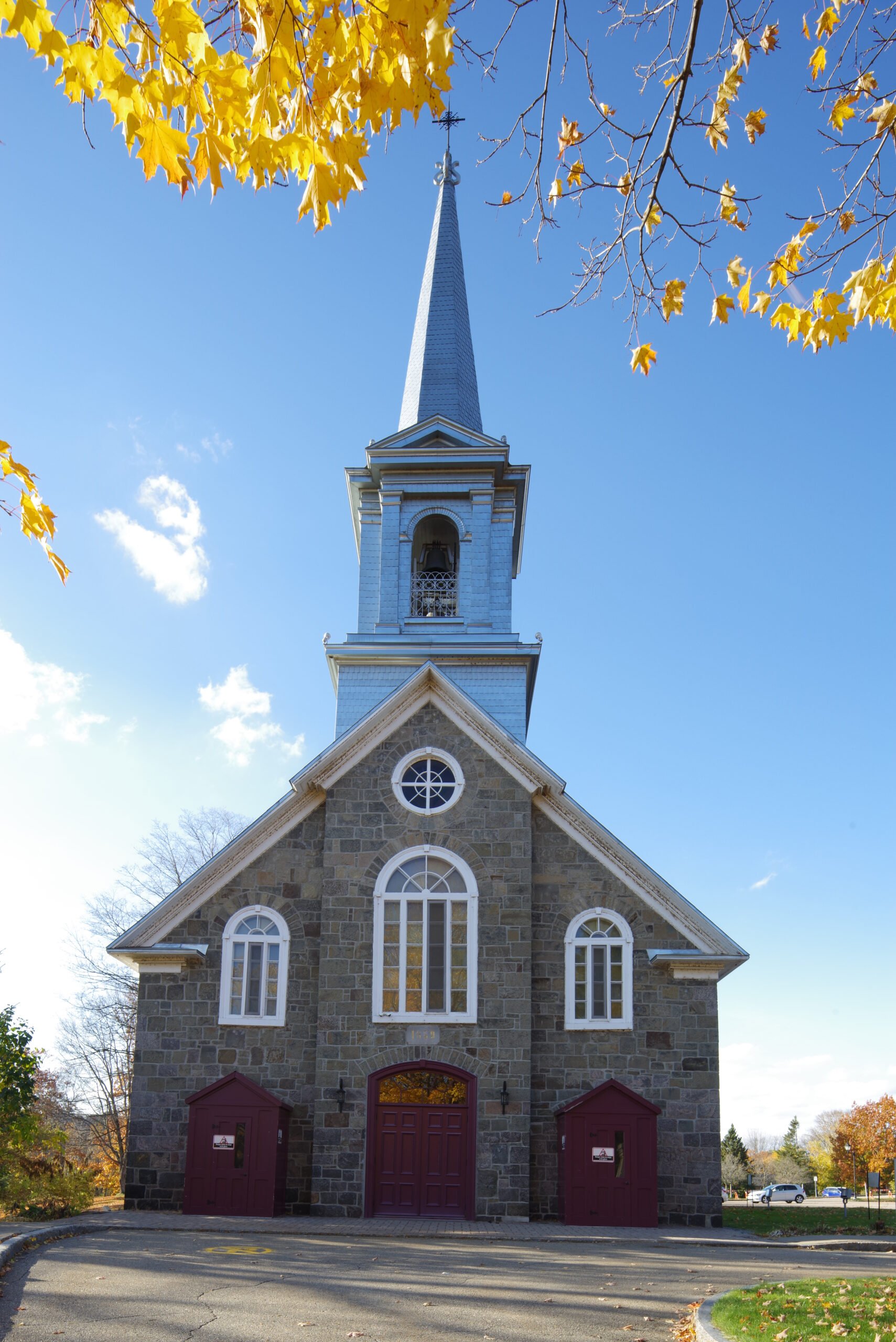
The first image was shot without any shift. The second one shows the same scene, with the lens shifted to its maximum. Note that after shifting, it is necessary to recompose, otherwise the benefits of shifting are lost and the image is simply offset. As shot, the benefits of a shift lens are immediately obvious, with a much more realistic perspective and lines that are straighter.
This second set of images illustrate the same phenomenon with a complex bridge structure . Again, the effect is obvious. It can of course be fine-tuned by using an intermediate shift value.
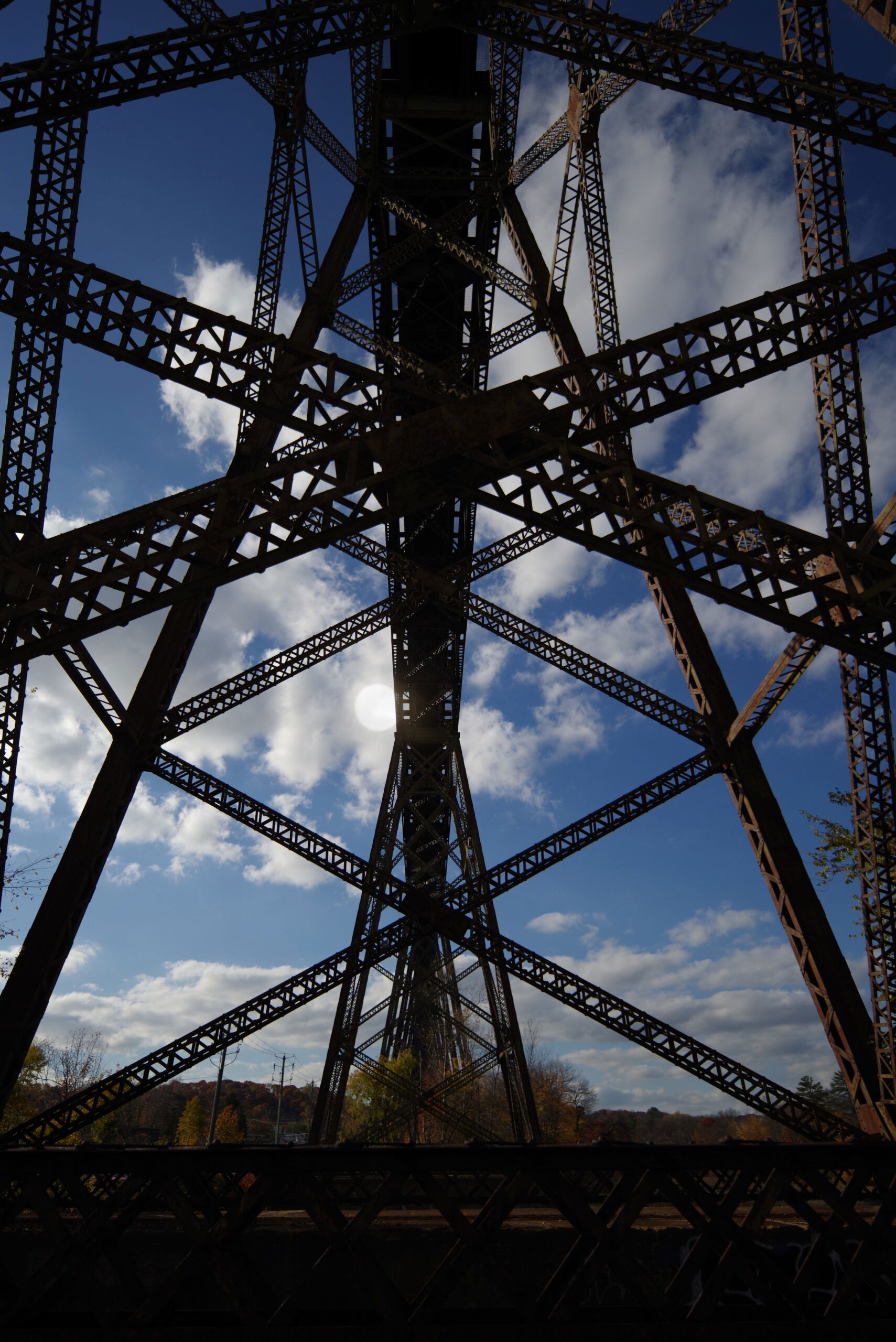
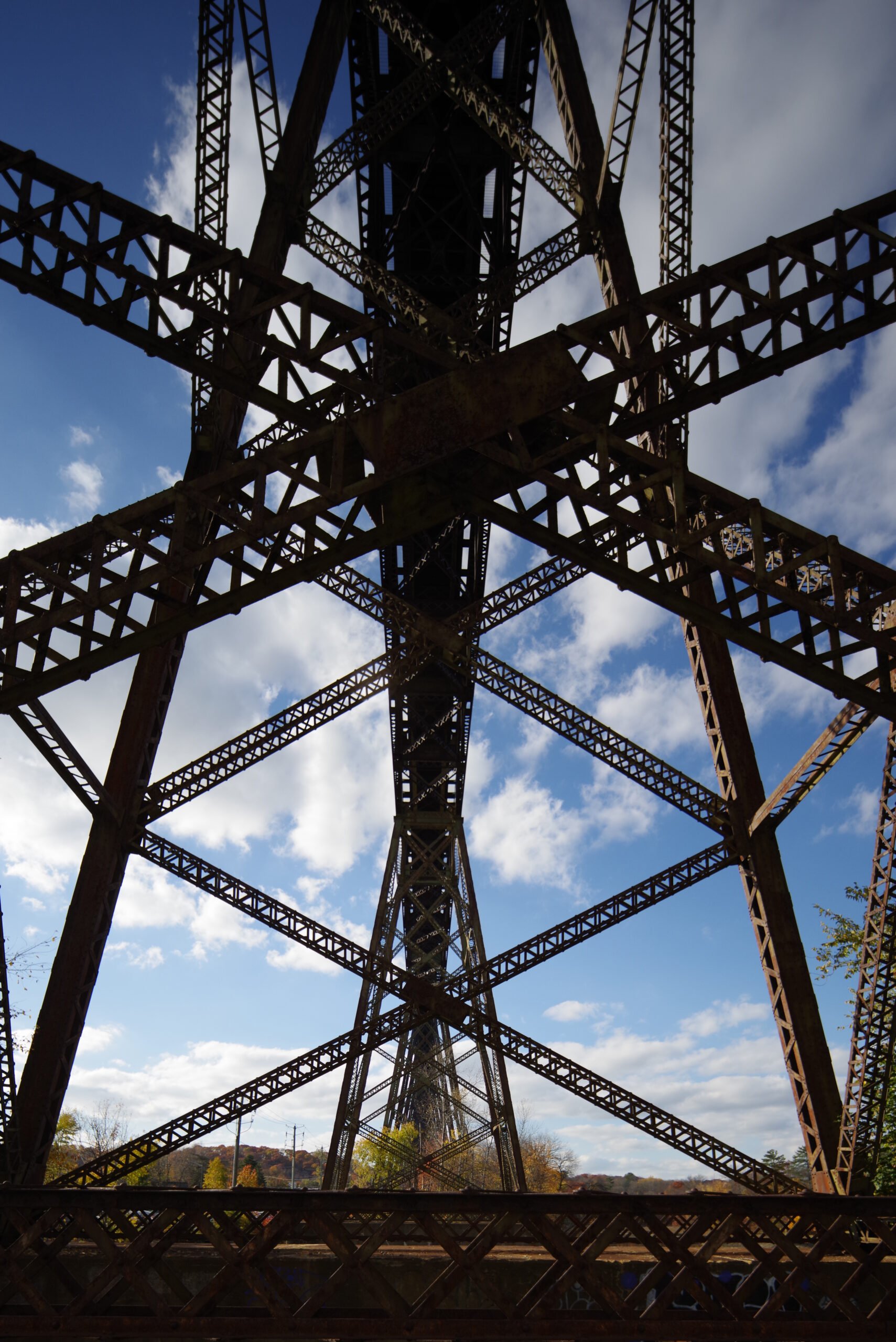
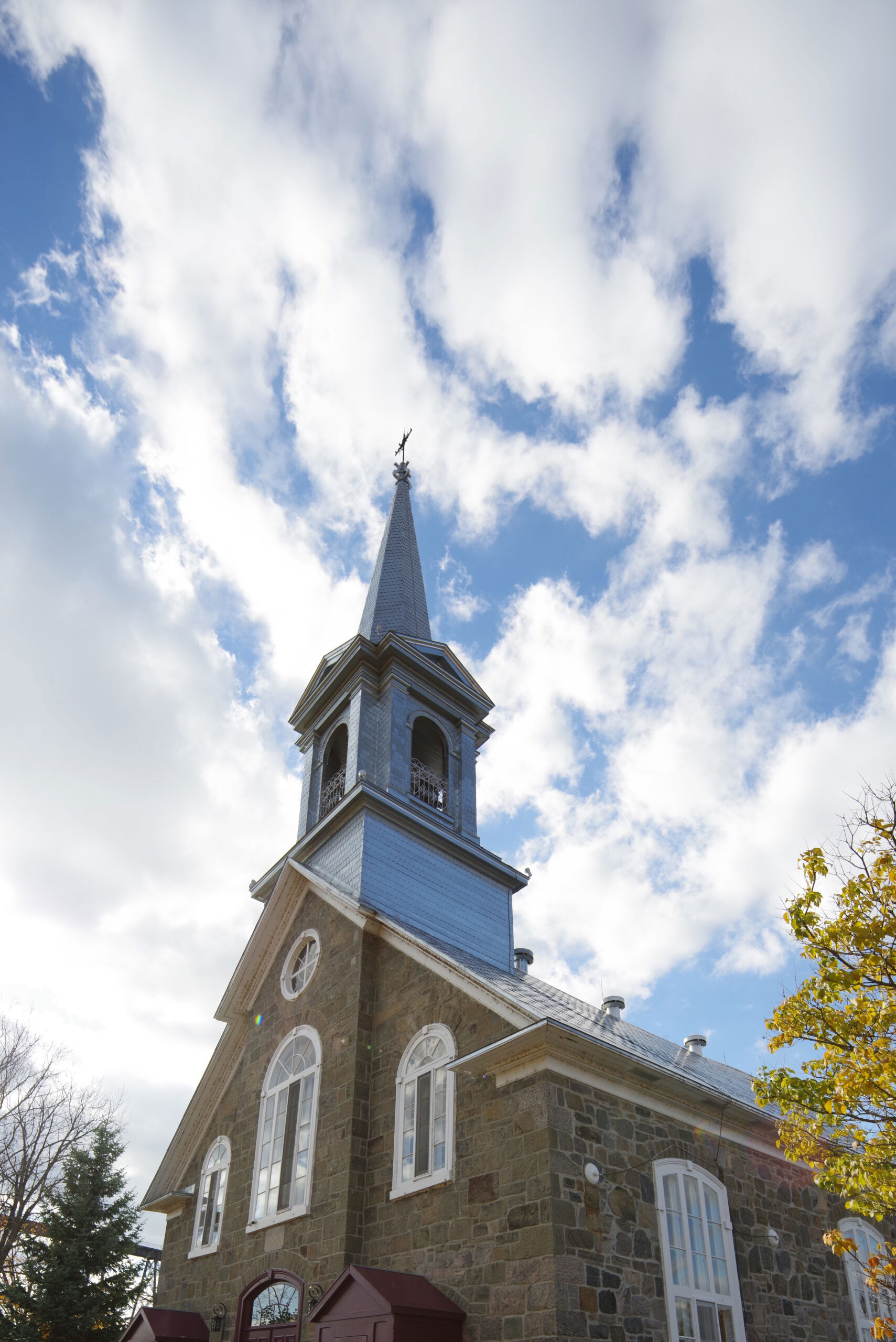
The last set of images, shown below, show the results when the lens is shifted without recomposing. It results in a different composition, but without the benefits of shifting.
Sharpness
Sharpness, or a lens’s ability to resolve small details, is far from the only important characteristic of a lens, but it is probably the one which many users look at first. Soft images distract the viewer and the sharpest point in an image draws the eye of the viewer.
There are several ways to measure resolution. Some are quantitative, such as the number of lines per millimeter that can be resolved, while others are comparative, such as using a standardized scene to pit lenses against one another. We will use the latter, and supplement it with real-life samples.
To evaluate sharpness, we use a standard test chart that can be used to compare lenses to one another. We place the camera and lenses at a distance of 100x the focal length, so that the chart occupies the same area on all test images. This results in distances of 2m in the present case. The chart is positioned successively in the center, on the edge and corner off the frame, testing all apertures each time. Focus is repeated for each position to avoid field curvature contributions.
This test will not show how good a lens can be. Quite the contrary, it is a stress test to illustrate the limits of a lens’s capabilities.
Resolution is of course sensor-relevant. For this test we use the A7C camera’s 24 MP sensor.
Test results at 20mm
The following images illustrate the results at all apertures at 20mm.
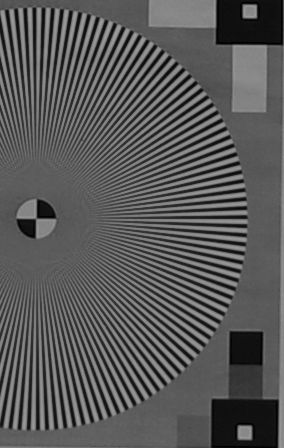
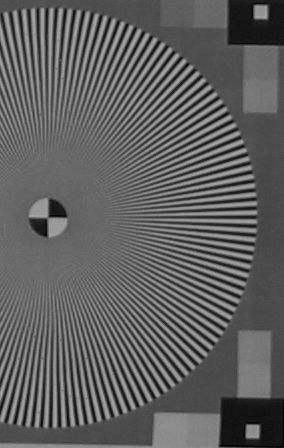
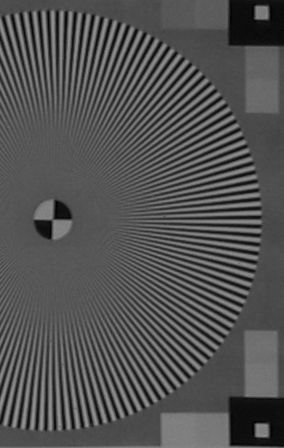
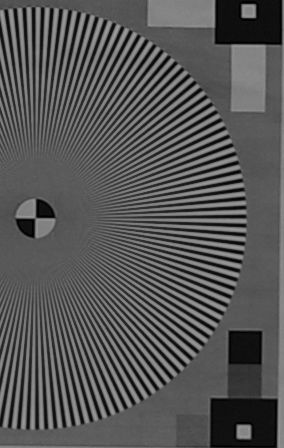
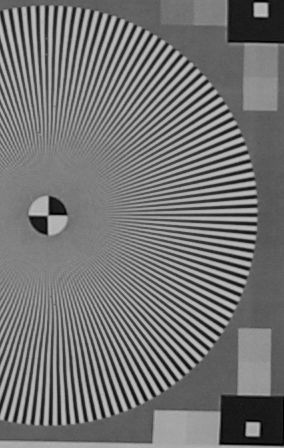
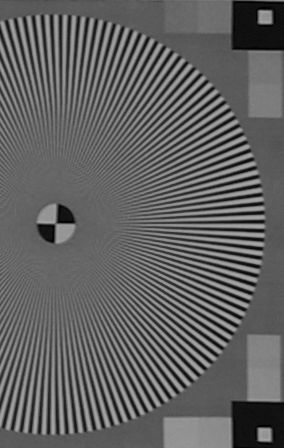
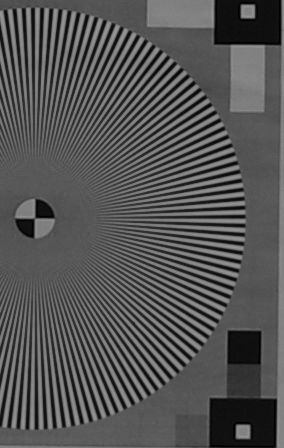
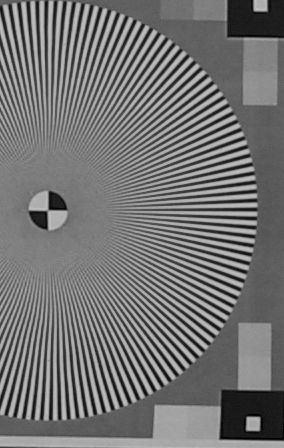
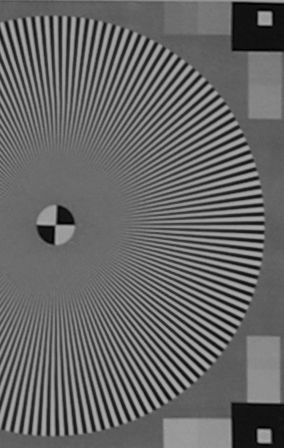
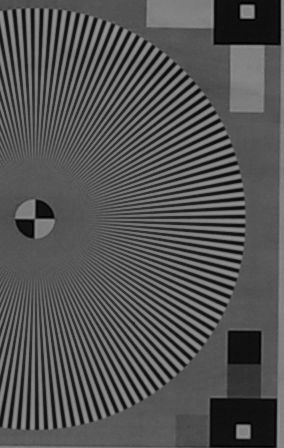
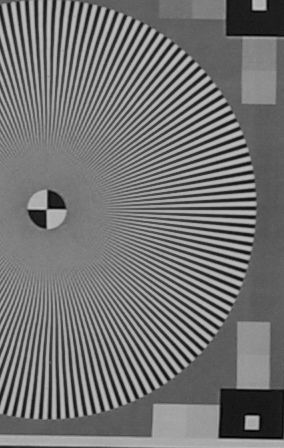
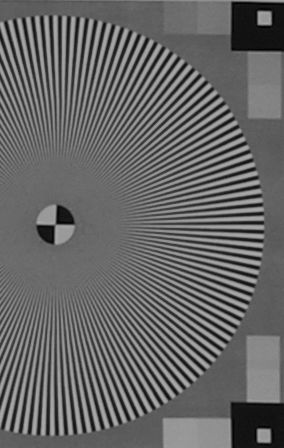
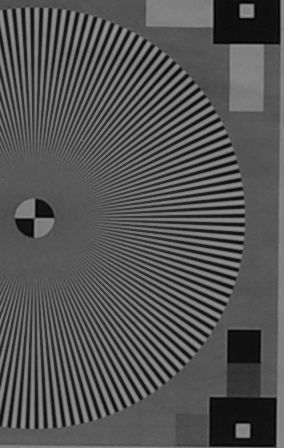
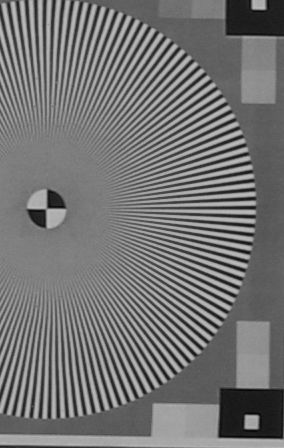
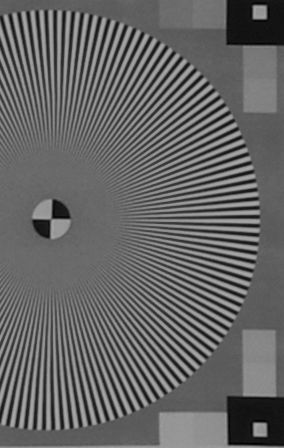
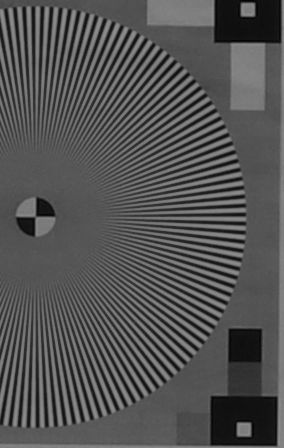
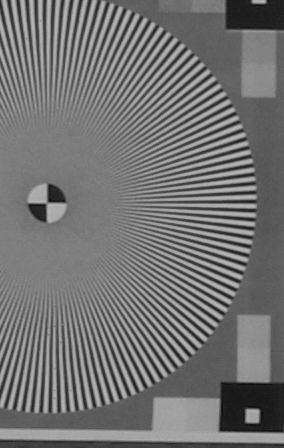
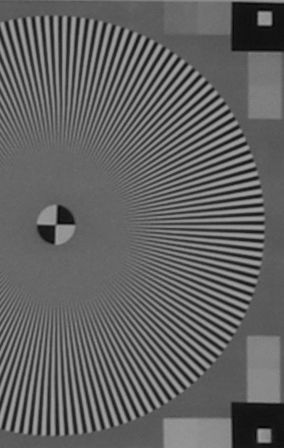
Center sharpness with the Laowa 20mm is more than adequate at F4, and even better between F5.6 and F16. F22 is softer as can be expected. These results are beyond expectations: the lens is not razor-sharp, but specialized lenses such as this one often need to compromise on sharpness. It is not the case here.
Edges are almost as good as the center. This is critical because of the shift mechanism. Excellent news here.
Corners are much softer in all cases. Best results are achieved at F11.
Summary
Resolution is always important. With a specialized lens such as this one, we do not expect the razor-sharp results of a macro, but it is still important that sharpness does not become a distraction. We are glad to report that the Laowa 20mm Shift does well for sharpness, it should not be a limiting factor in everyday operation.
Vignetting
Vignetting, or the darkening of corners at wider apertures, is both a defect and a feature, as it can be used creatively to put emphasis on subjects closer to the center, create a mood or a vintage look. It can also be corrected automatically by modern cameras so is less of a problem than in the past. That is only true for lenses with electronic contacts, which excludes, as of now, all Laowa lenses. It can be corrected via post-processing, but will have a more direct impact on pictures otherwise.
The following chart illustrates the vignetting of the lens for full frame when left uncorrected.
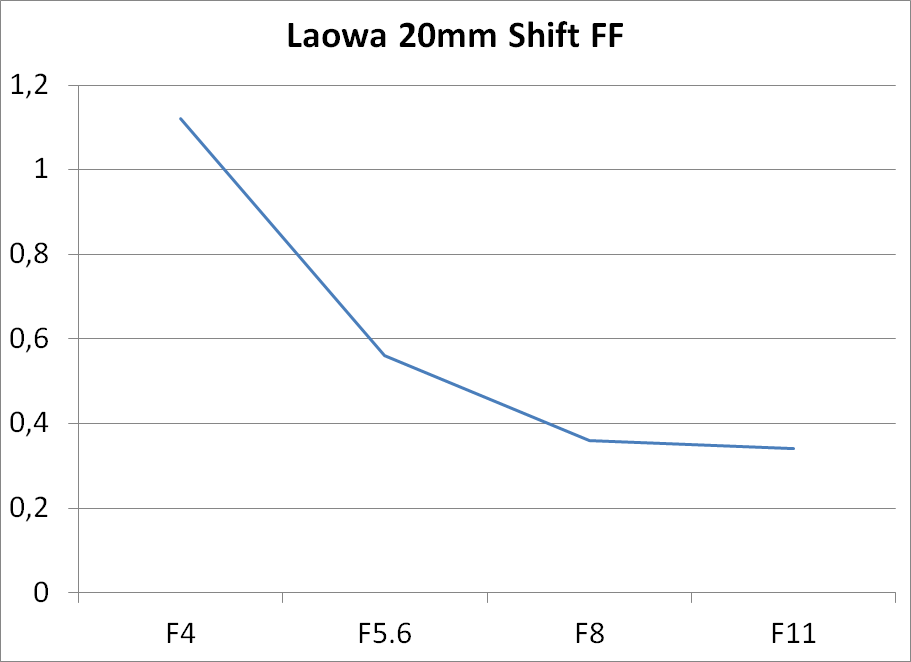
Wide open, vignetting will be visible when left uncorrected. It is still reasonably well controlled, with a value just over a stop. Some lenses do much worse. The effect drops rapidly as the aperture closes.
Of course, these results are valid when the lens isn’t shifted. This is one reason why it does so well at F4: it needs to account for potential shifts, so designer made the glass elements larger than what is typical. expect vignetting to become asymmetrical, and more pronounced, when shifting the lens.
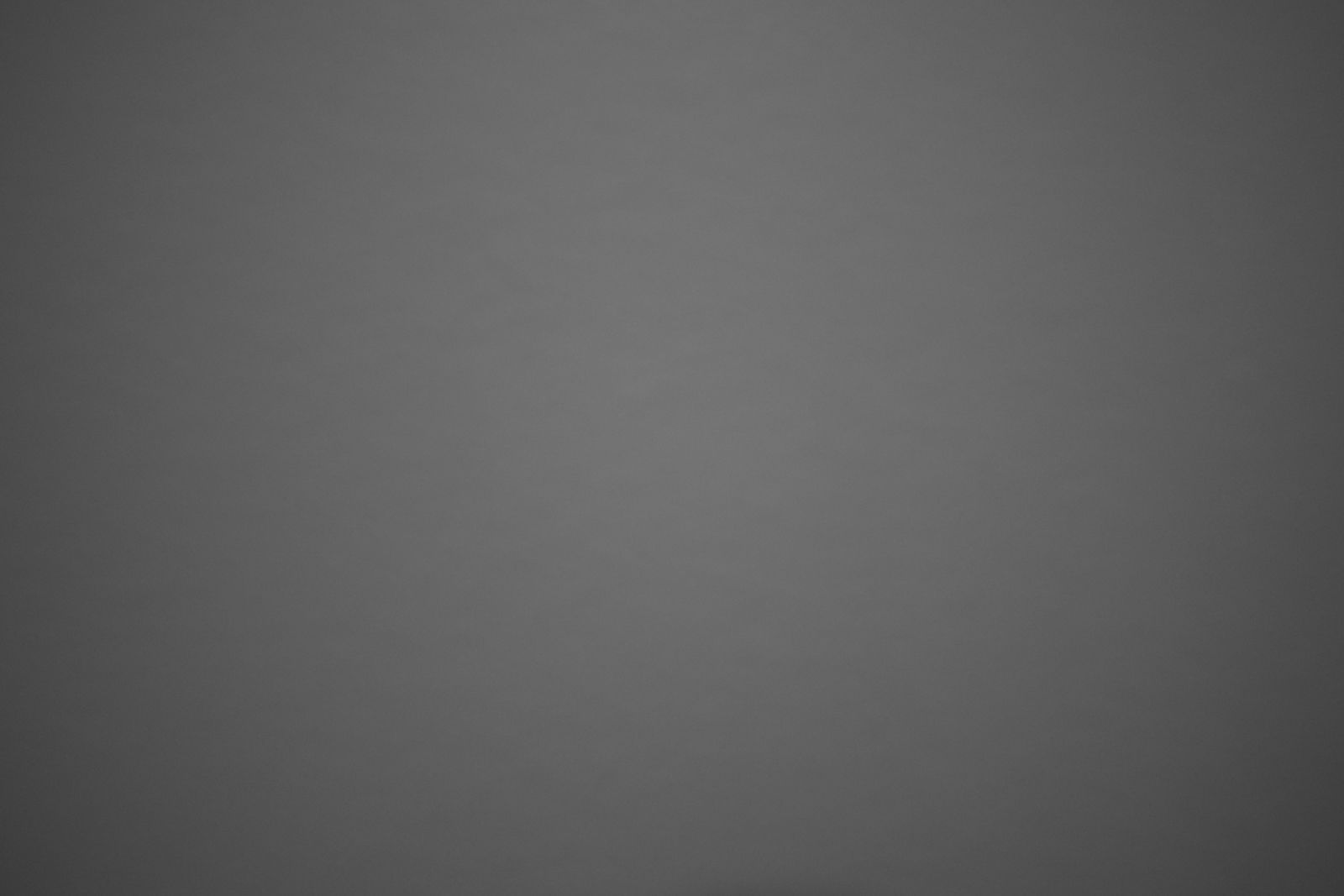
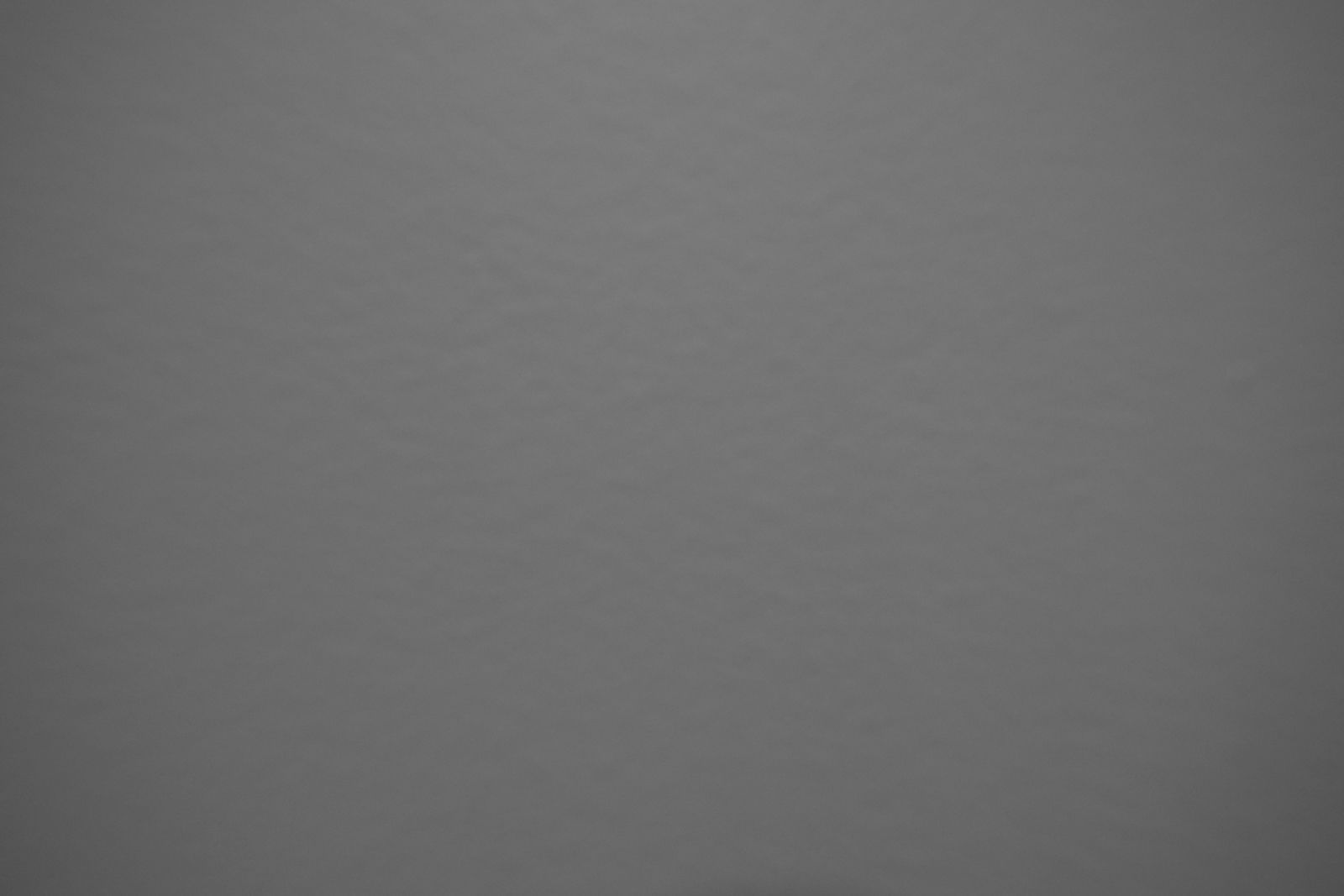
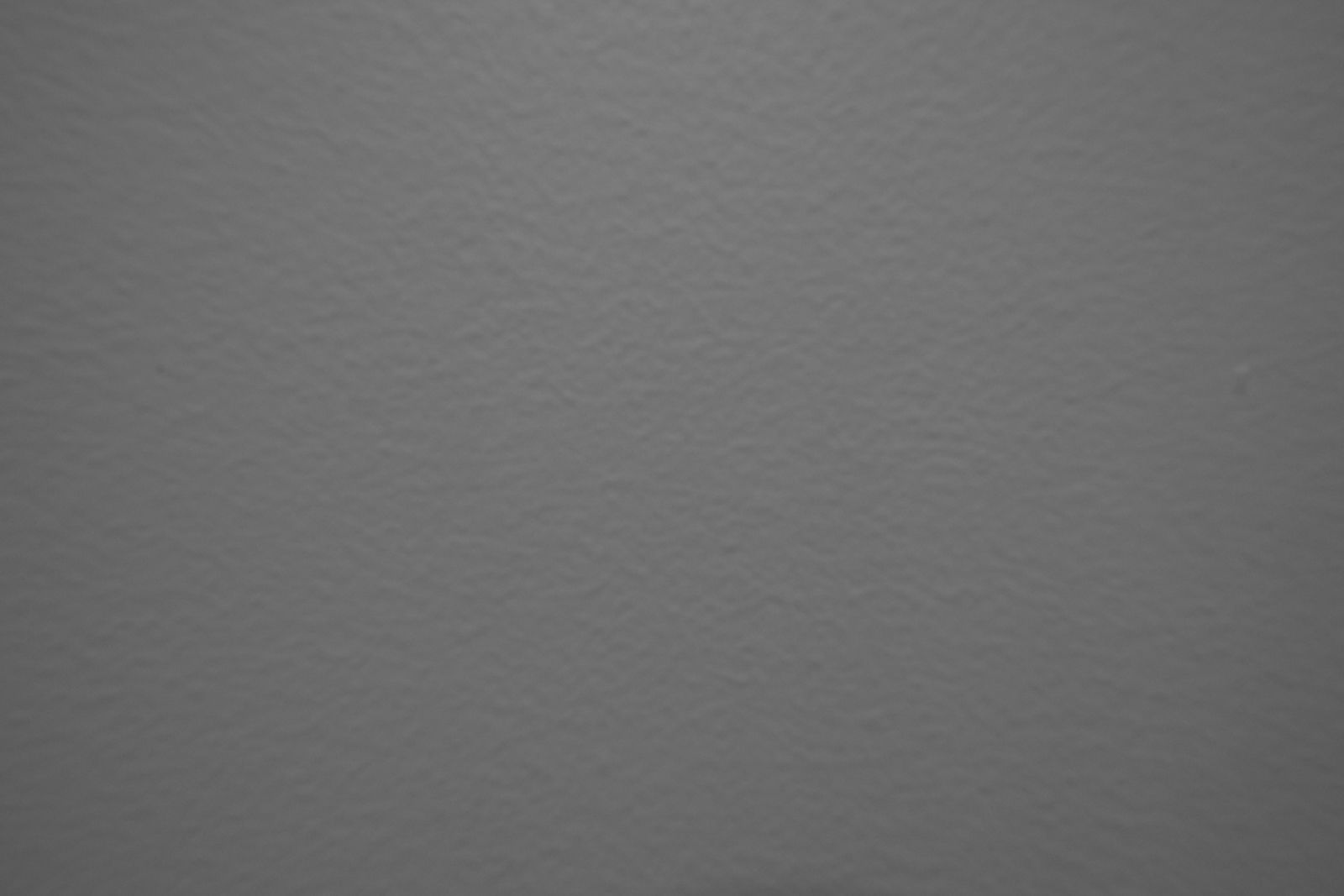
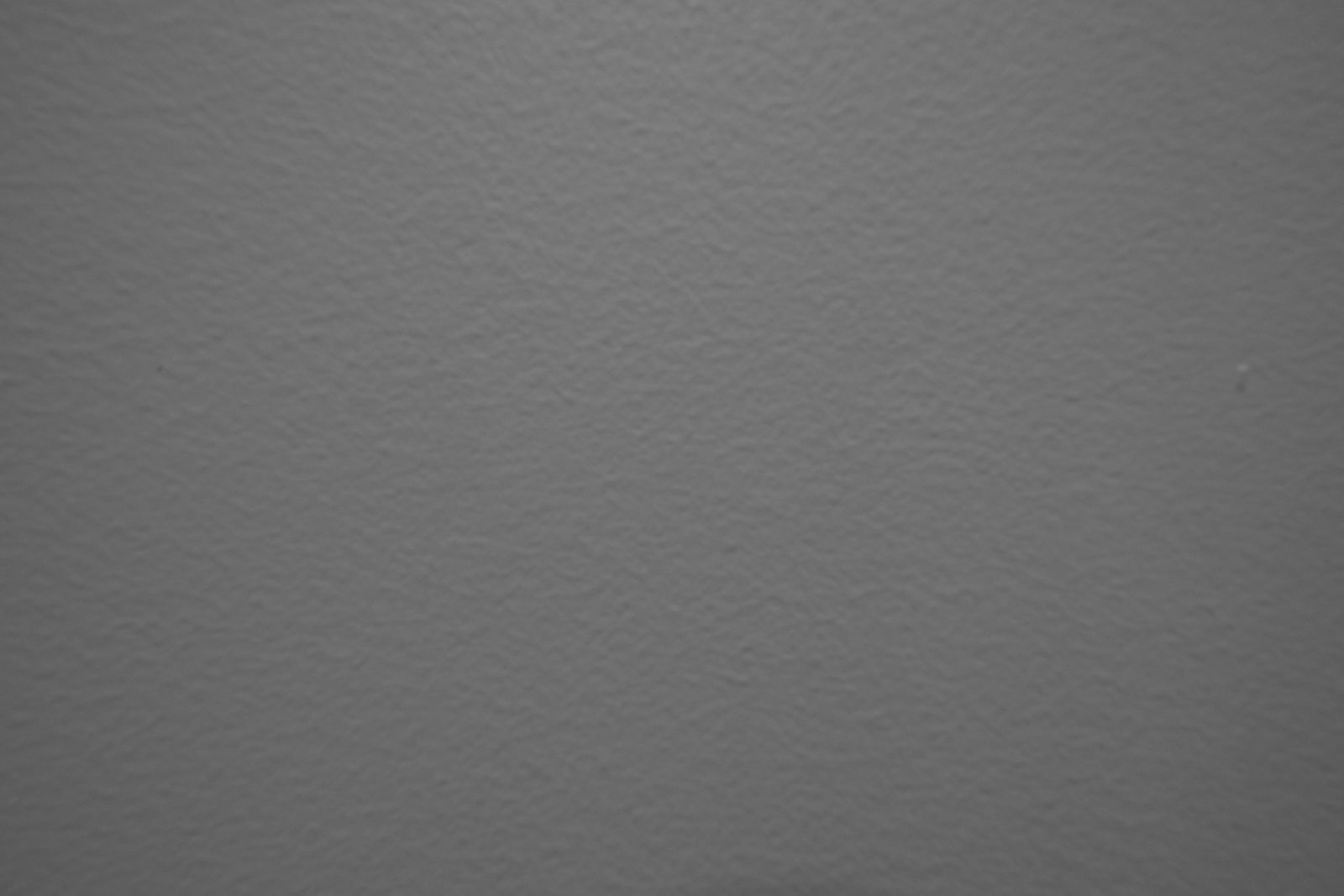
The images below show the lens’s vignetting at varying apertures.
Bokeh
Bokeh is a Japanese term describing the quality of the background blur. It does not relate to the depth of field but to the areas in the image that are beyond the range that is expected to be in focus.
Bokeh is highly subjective. In general, a smooth bokeh with blurred shapes and contours is generally perceived as being of a higher quality. A shallow depth of field does not always equate a more pleasing bokeh.
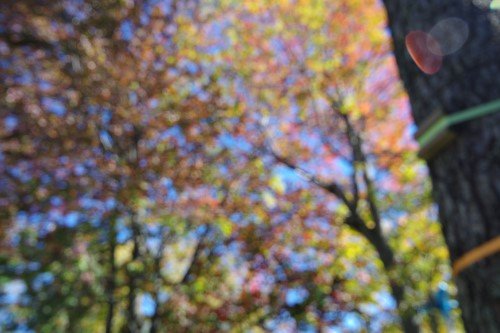
To evaluate the characteristics of the background blur, we took pictures at varying apertures, using a scene with a lot of detail and bright highlights.
The Laowa 20mm Shift produces average out-of-focus rendering. Textures are nicely smoothed, but highlights are surprisingly busy, as can be seen on the background foliage of the images below.



A 20mm is not expected to serve often for subject isolation. Users should not expect the Laowa 20mm Shift to be particularly remarkable in this regard.
Flare and Ghosting
Flare is a decrease in contrast caused by reflections on internal lens elements. Ghosting is the appearance of orb-shaped artifacts in an image containing a light source, caused by the same internal reflections. High-quality coatings reduce the importance of flare and ghosting in an image.
We test flare and ghosting by taking pictures of a bright light source positioned at the center and on an edge of the frame, at varying apertures.
Test results at 20mm
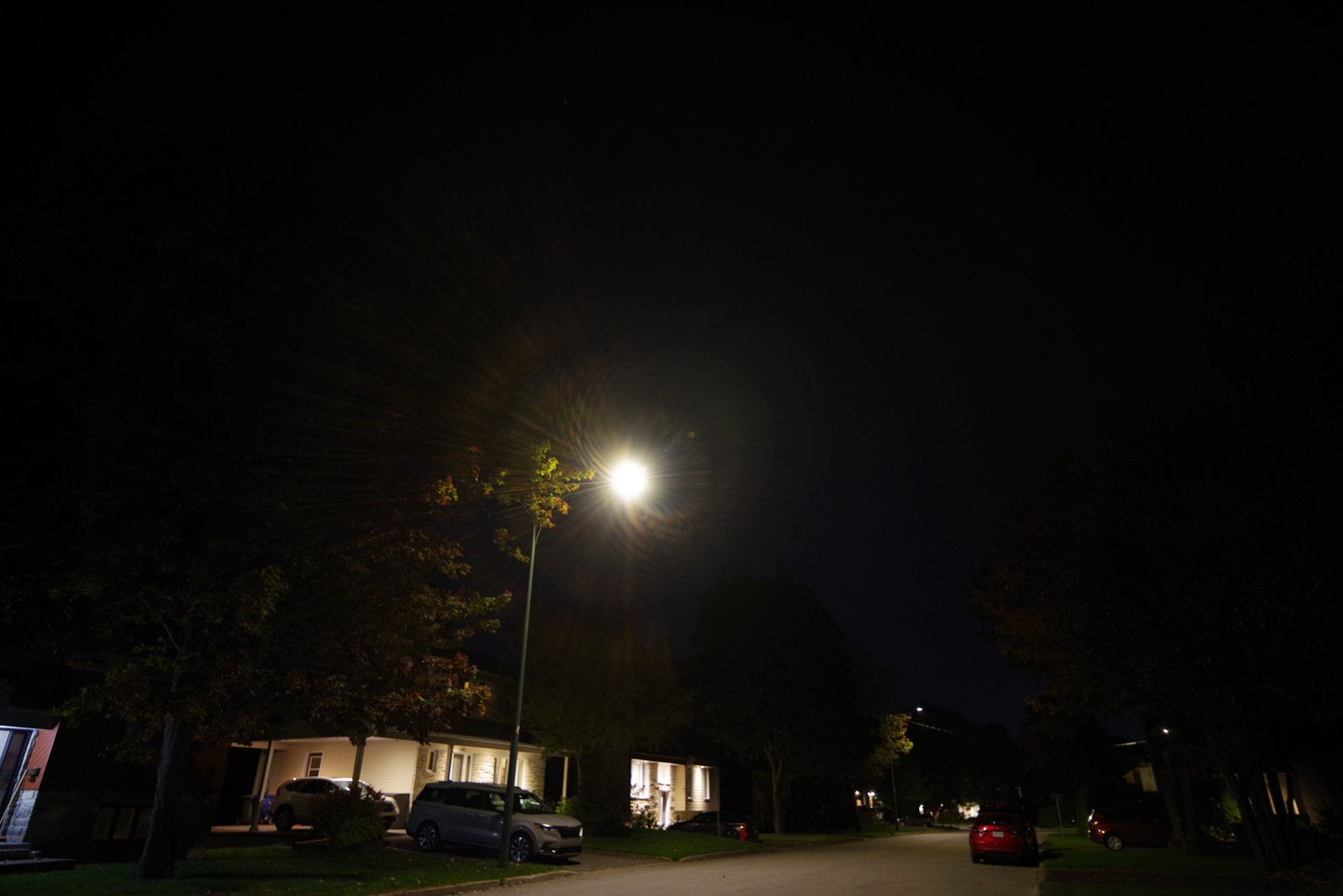
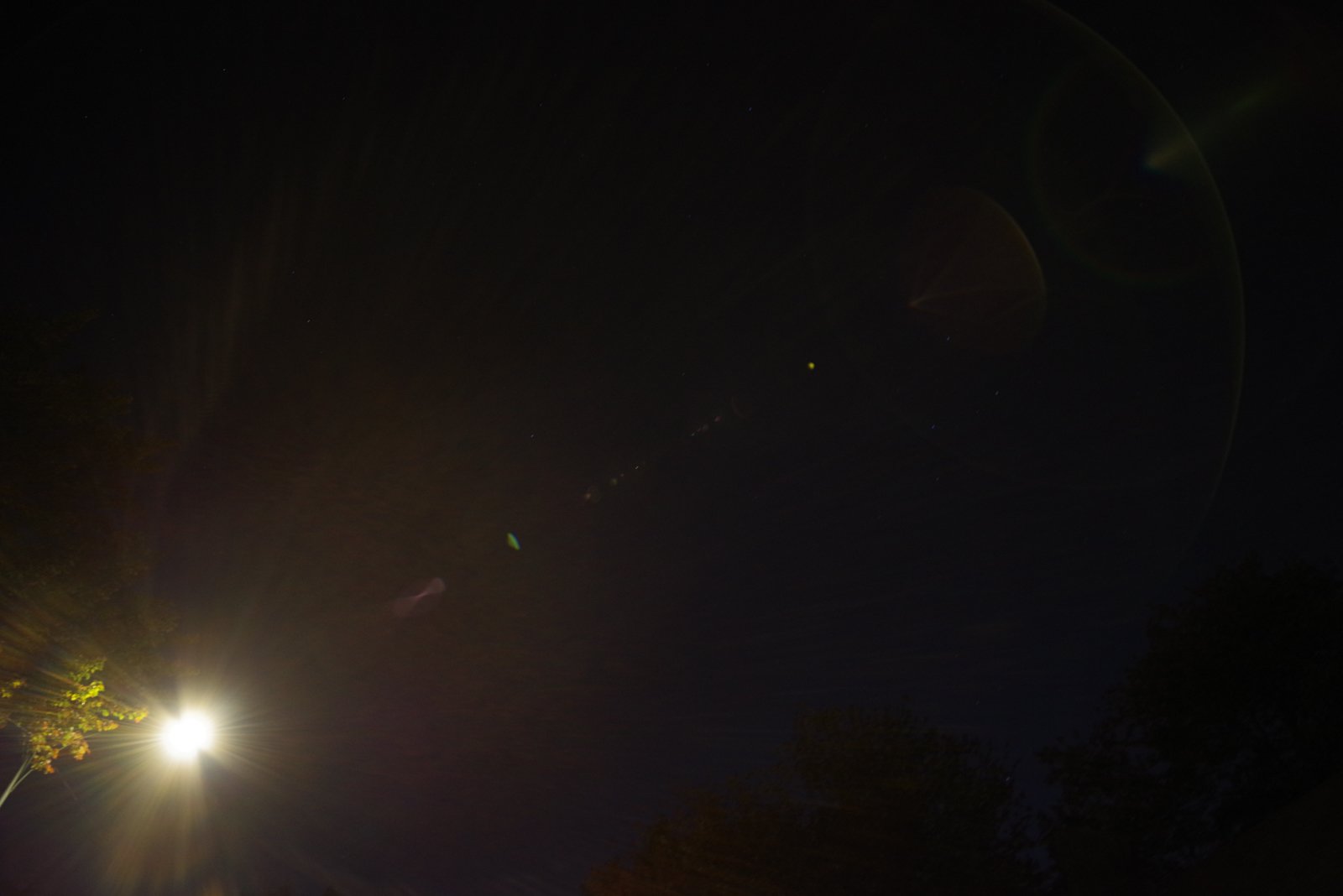
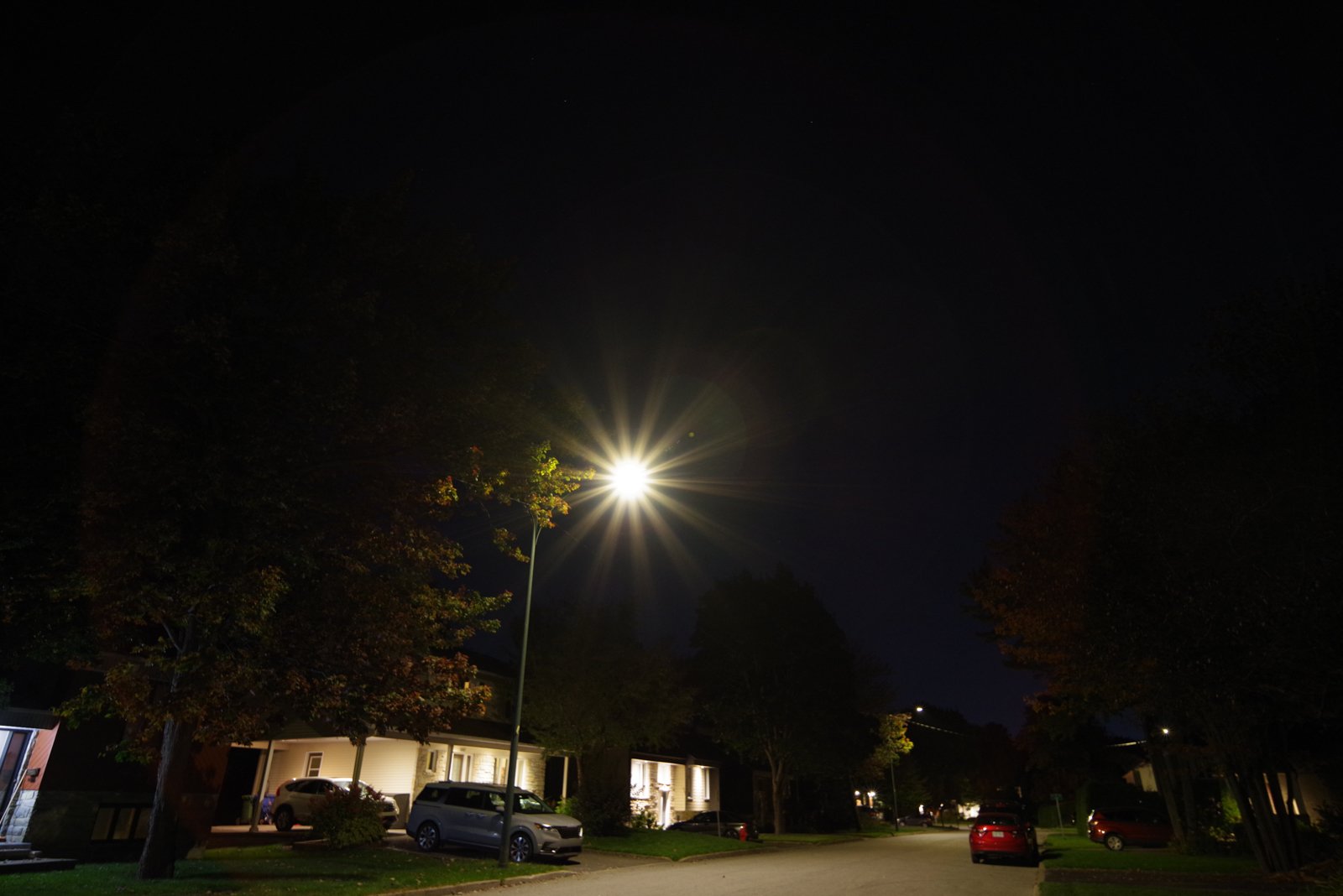
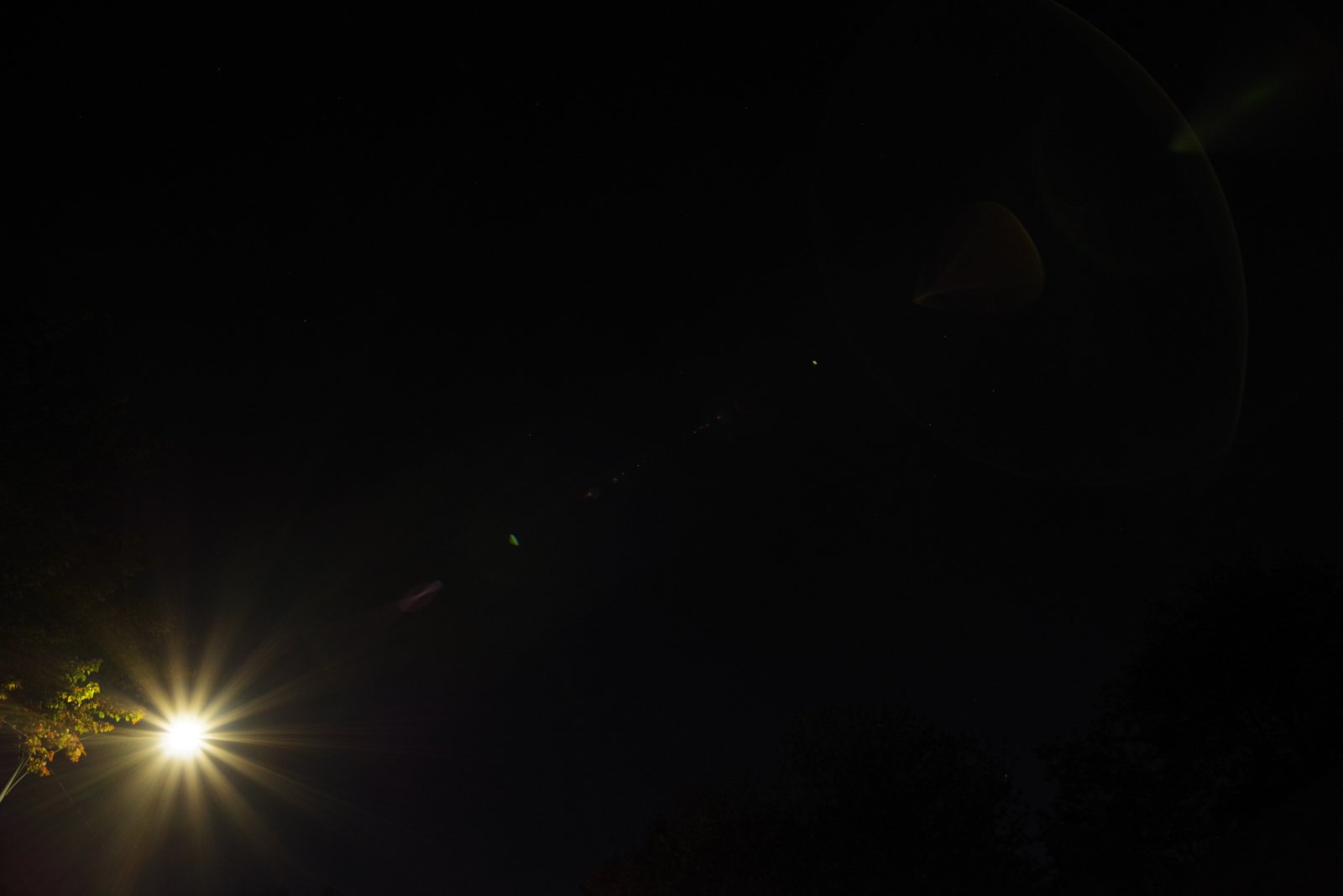
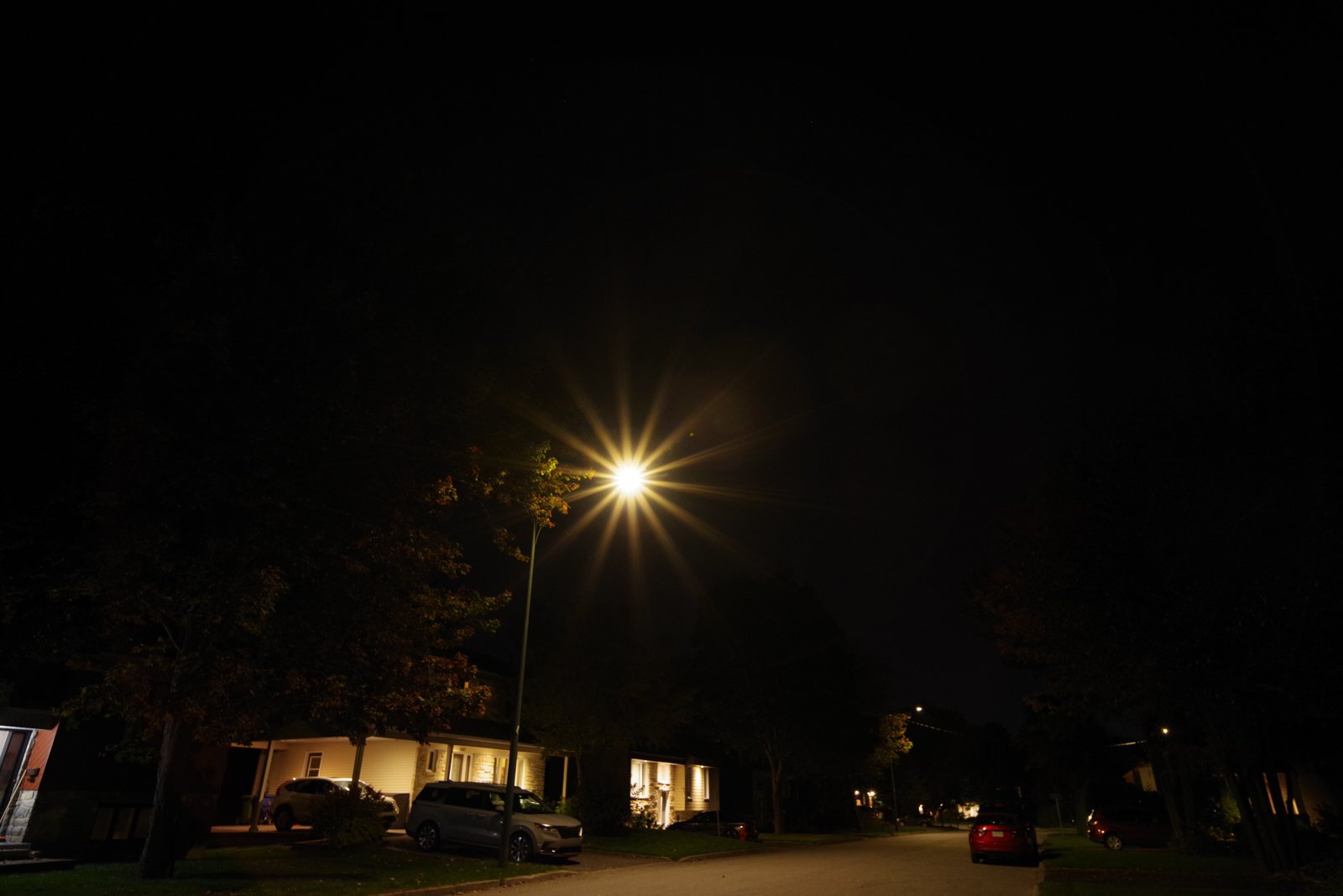
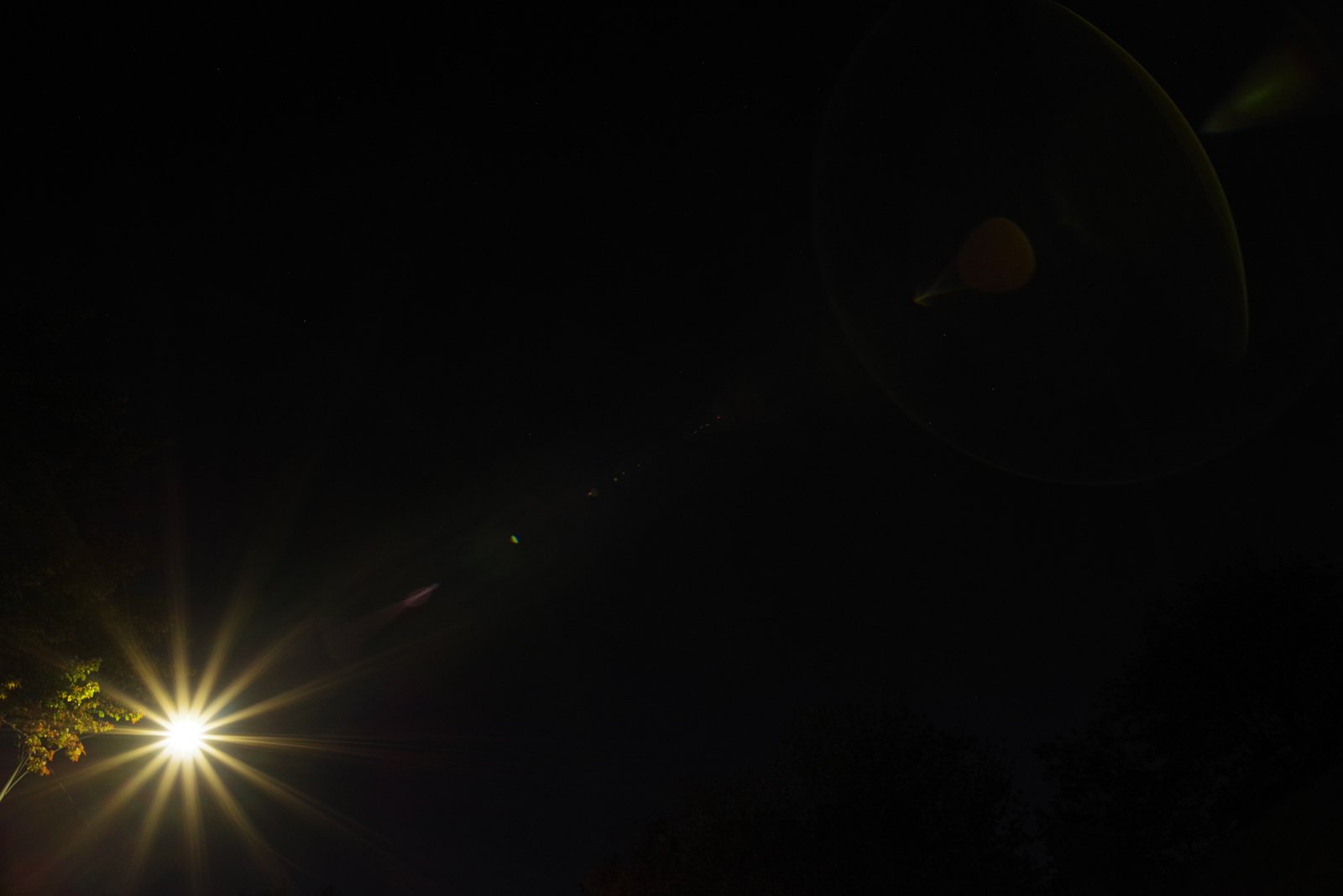
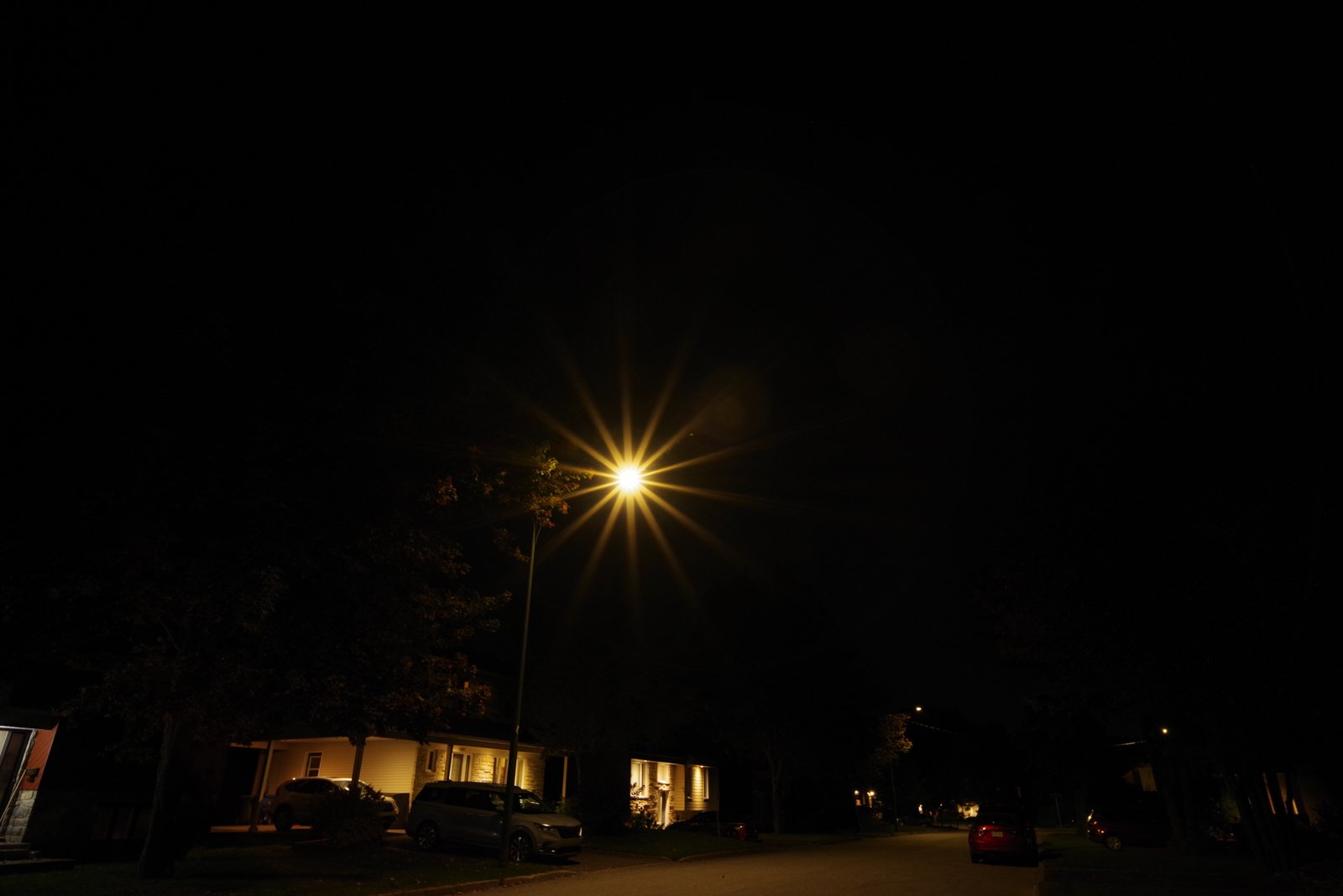
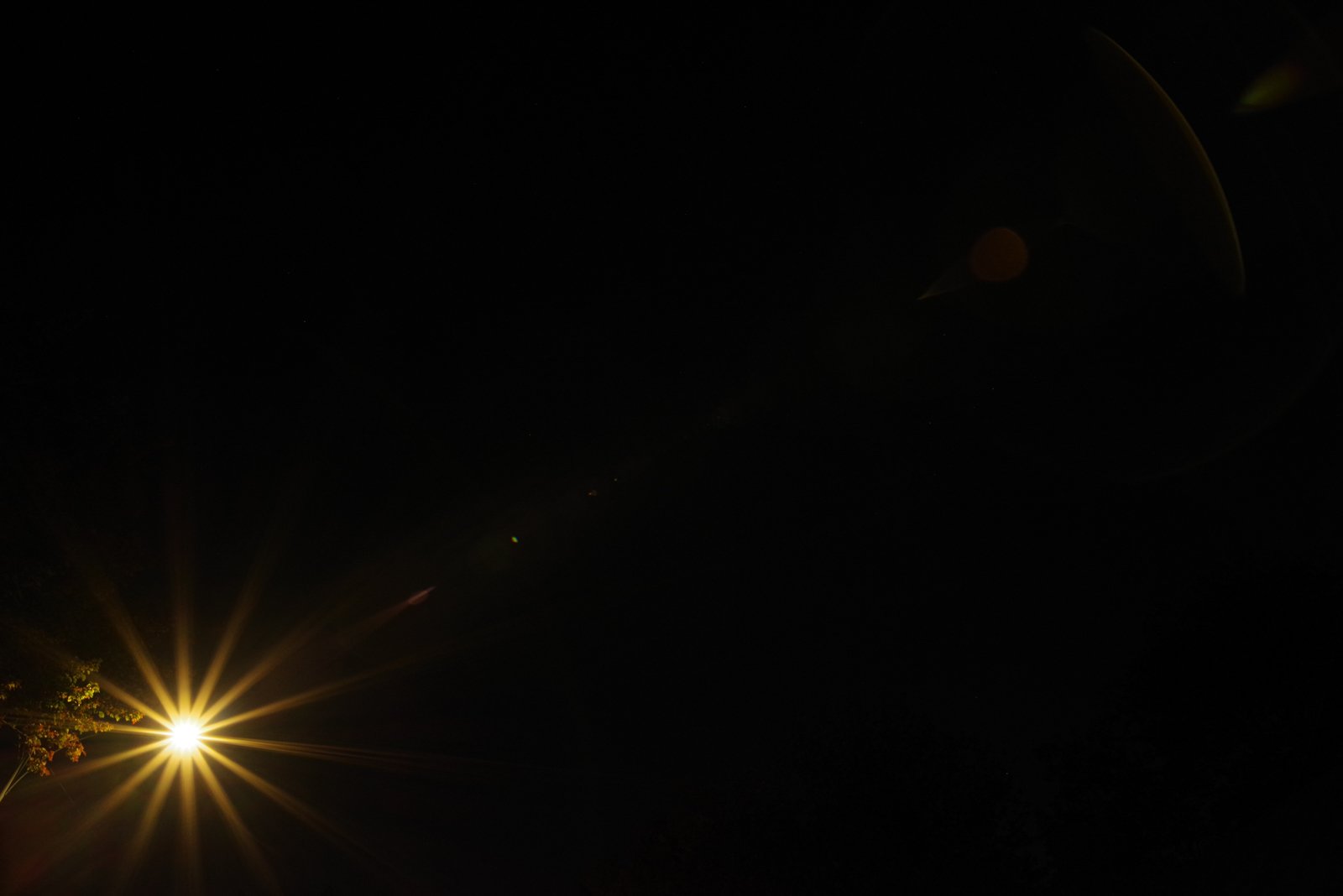
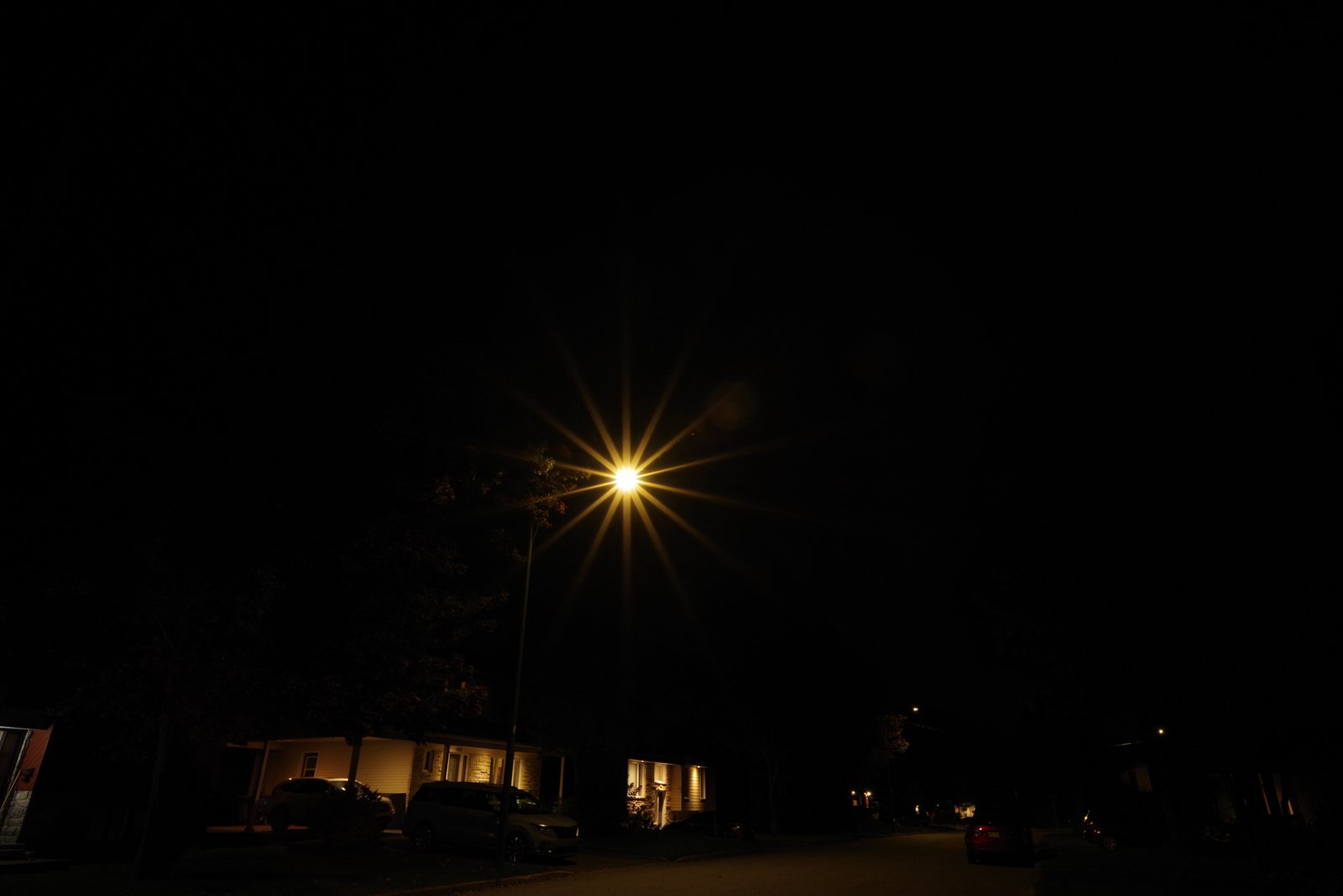
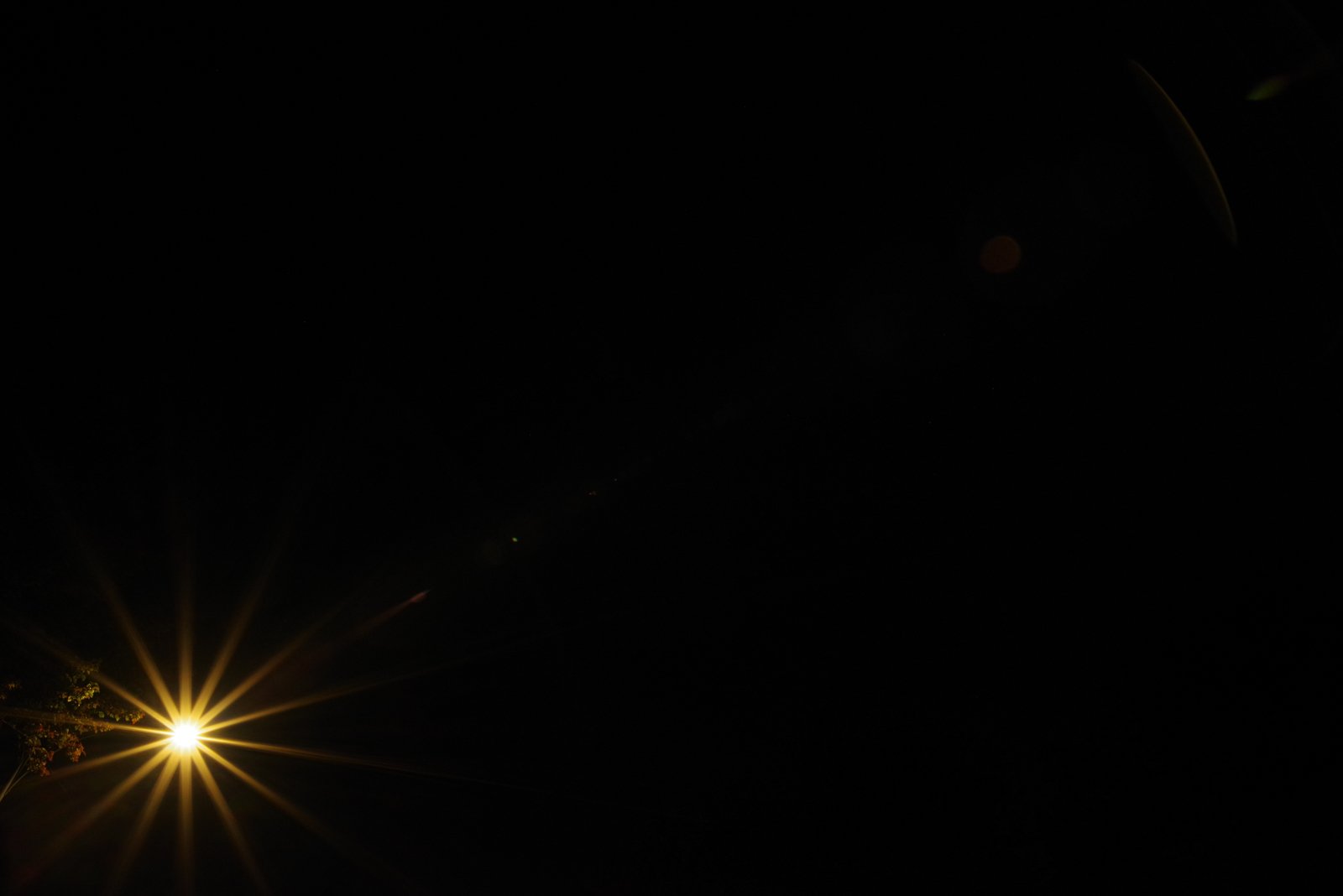
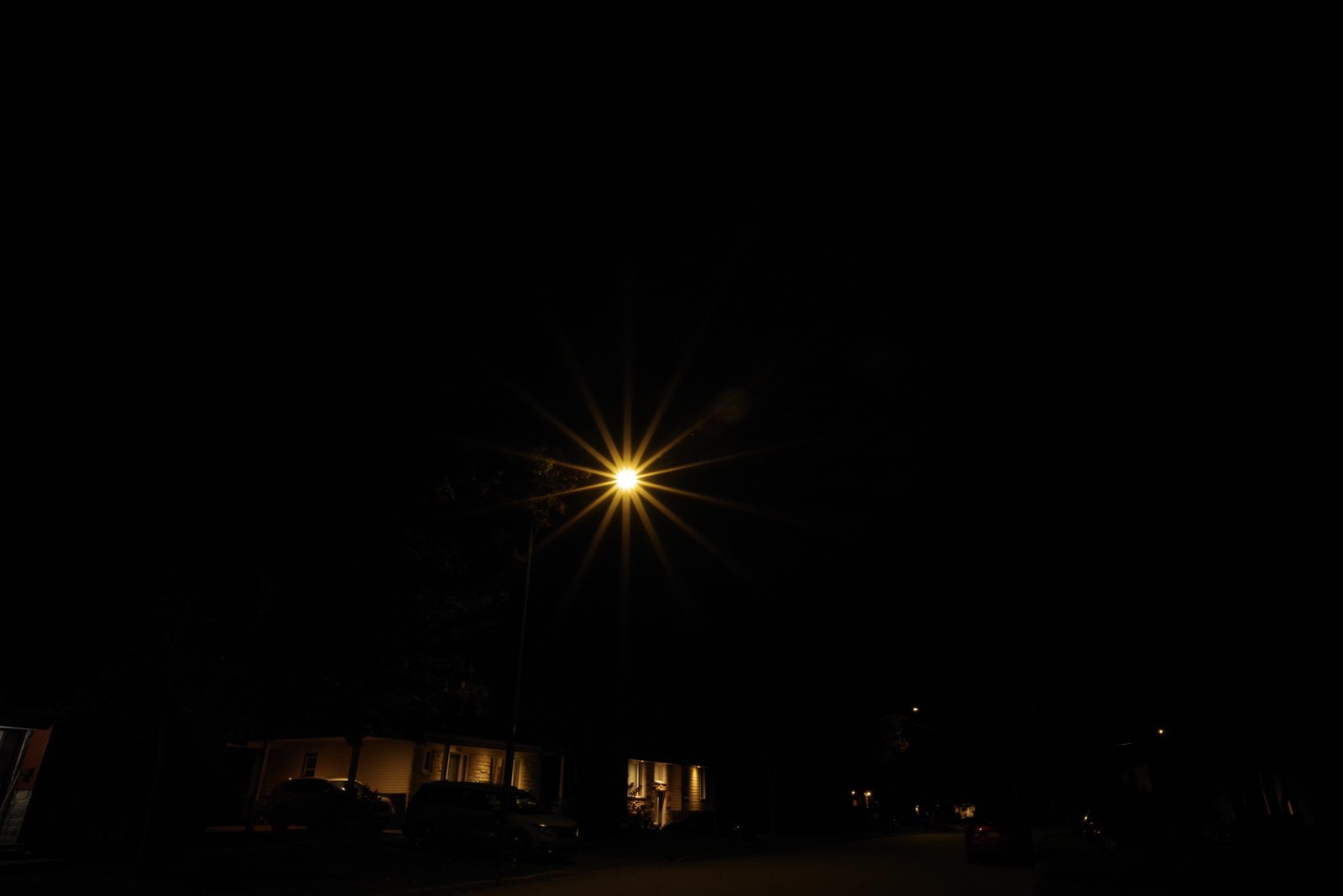
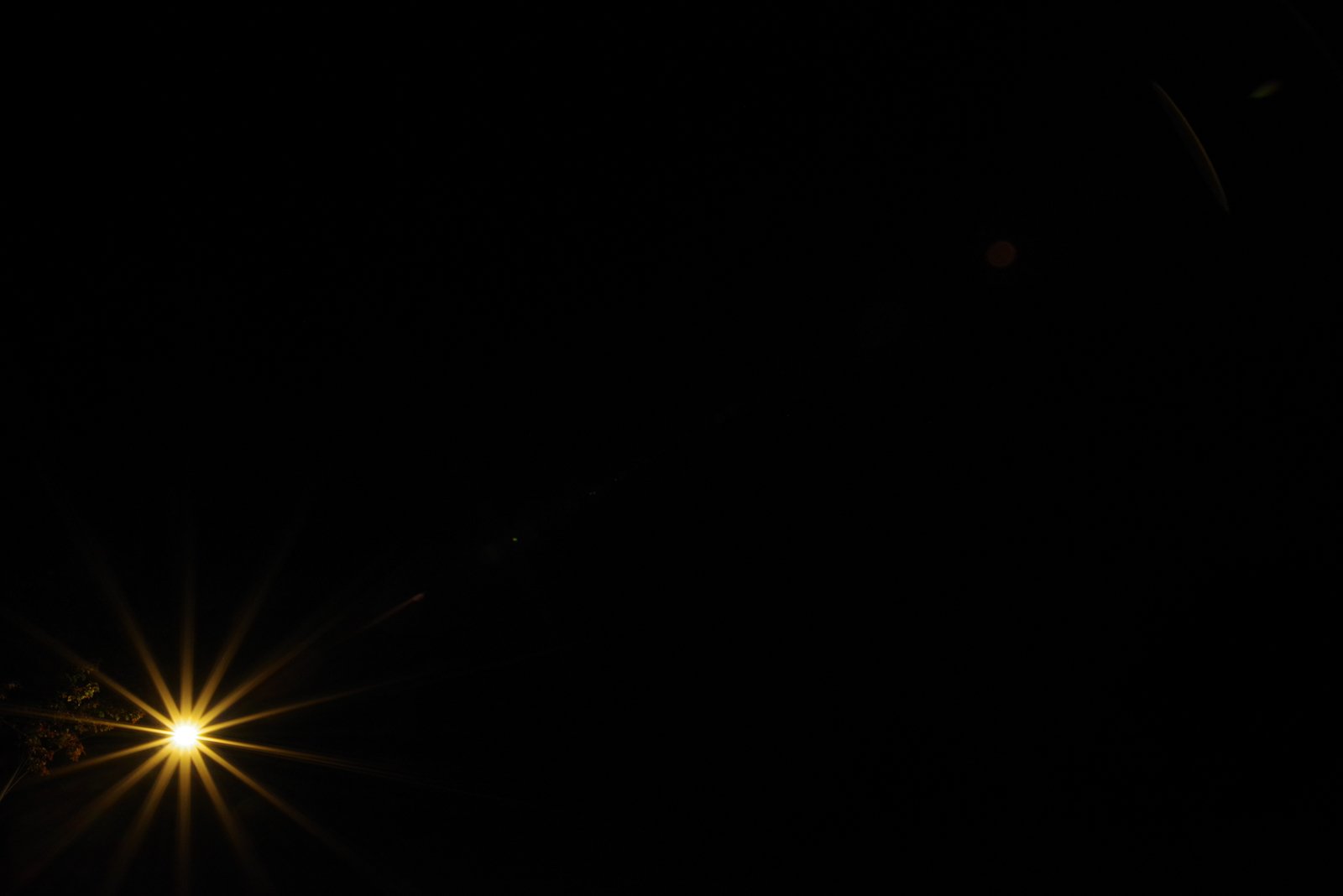
Laowa lenses generally are rather extreme in their designs, are as such are more prone to flare than other, more traditional lenses. The 20mm Shift does better than many of the company’s products. In the center at F4, there is some obvious flare around the light, but it is not dramatic. At smaller apertures a few ghosts remain around the light source but they become harder and harder to spot.
With the light in the corner, the same observation holds at F4, with a more prominent halo around the light, a general decrease of contrast, and ghosts along the diagonal. Closing the aperture makes the flare go away, and the ghosts diminish in size and brightness.
These results are above expectations.
Chromatic aberration
Chromatic aberration (CA) occurs because different colours do not always have the same focal point. With modern lenses designs, which are better corrected than vintage designs, this is more likely to occur in out-of-focus areas. CA effects are more visible near fast transitions from bright to dark areas.
Most modern cameras have built-in tools to remove CA. This excludes purely manual lenses such as the Laowa 20mm.
Our test sets up the camera at 45° and focuses on the center of the frame, with targets at the center, top and bottom. Images are captured at varying apertures at 20mm.
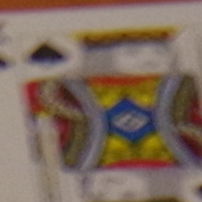
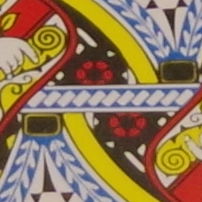

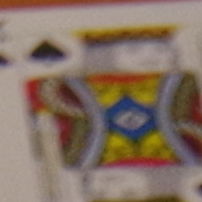
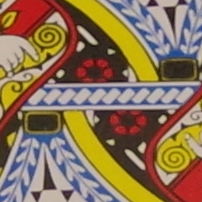

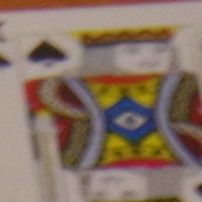

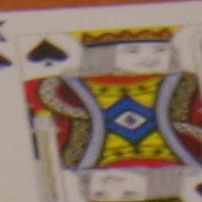


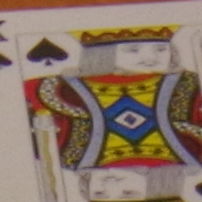


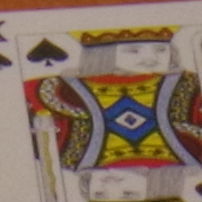


There is no evidence of CA in the center or at the top. at the bottom, there is some CA/PF visible at F4 and F5.6. It is gone by F8. It shows as a blueish line around sharp transitions. These results are quite good, without being perfect. What little CA there is will be easy to fix in post-processing.
Distortion
Distortion refers to a lens’s ability to represent straight lines as straight lines… Wide angle lenses frequently generate barrel distortion, while longer focal lengths are more likely to cause pincushion distortion.
The Laowa 20mm is a a wide angle lens, which generally show more obvious distortion. However, it bears the “Zero-D” label, indicating that the manufacturer considers this lens a best-in-class element, with low distortion figures.
We use a standard test pattern of straight lines and test at varying focal lengths.
The images below show the uncorrected and corrected distortion figures (correction being applied in post-processing).
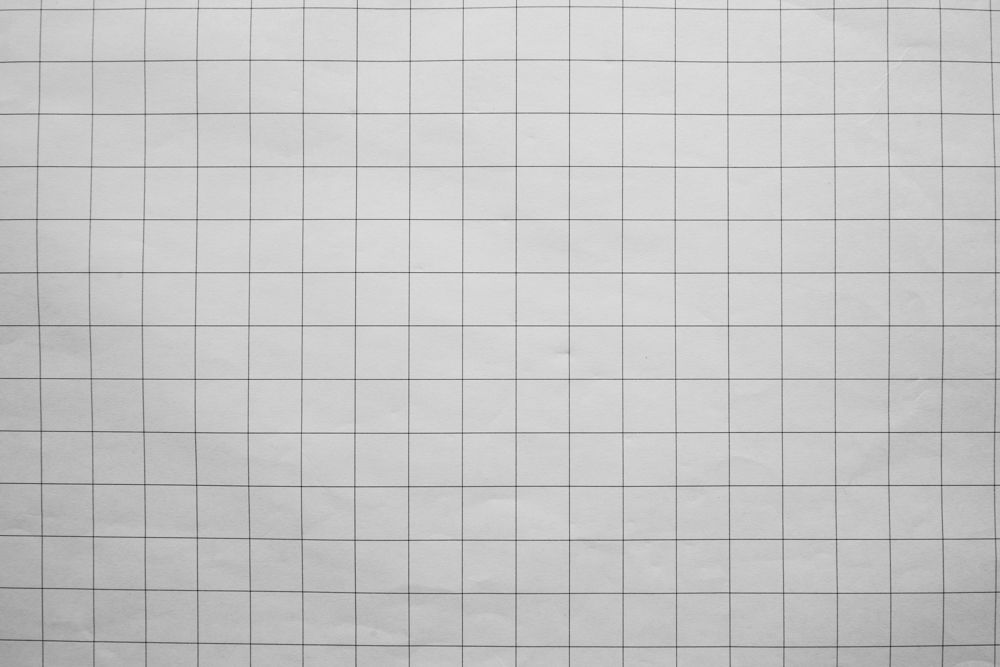
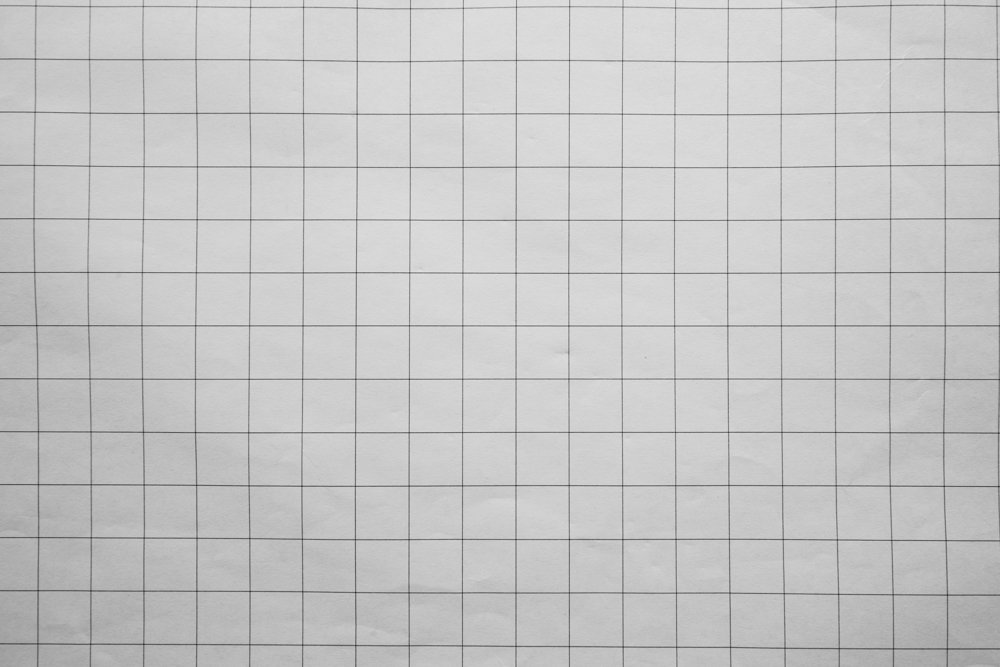
The Laowa does, indeed, control distortion superbly. There is almost no benefit from the manual corrections we applied. Distortion measures at a low 0.6%.
Sample images
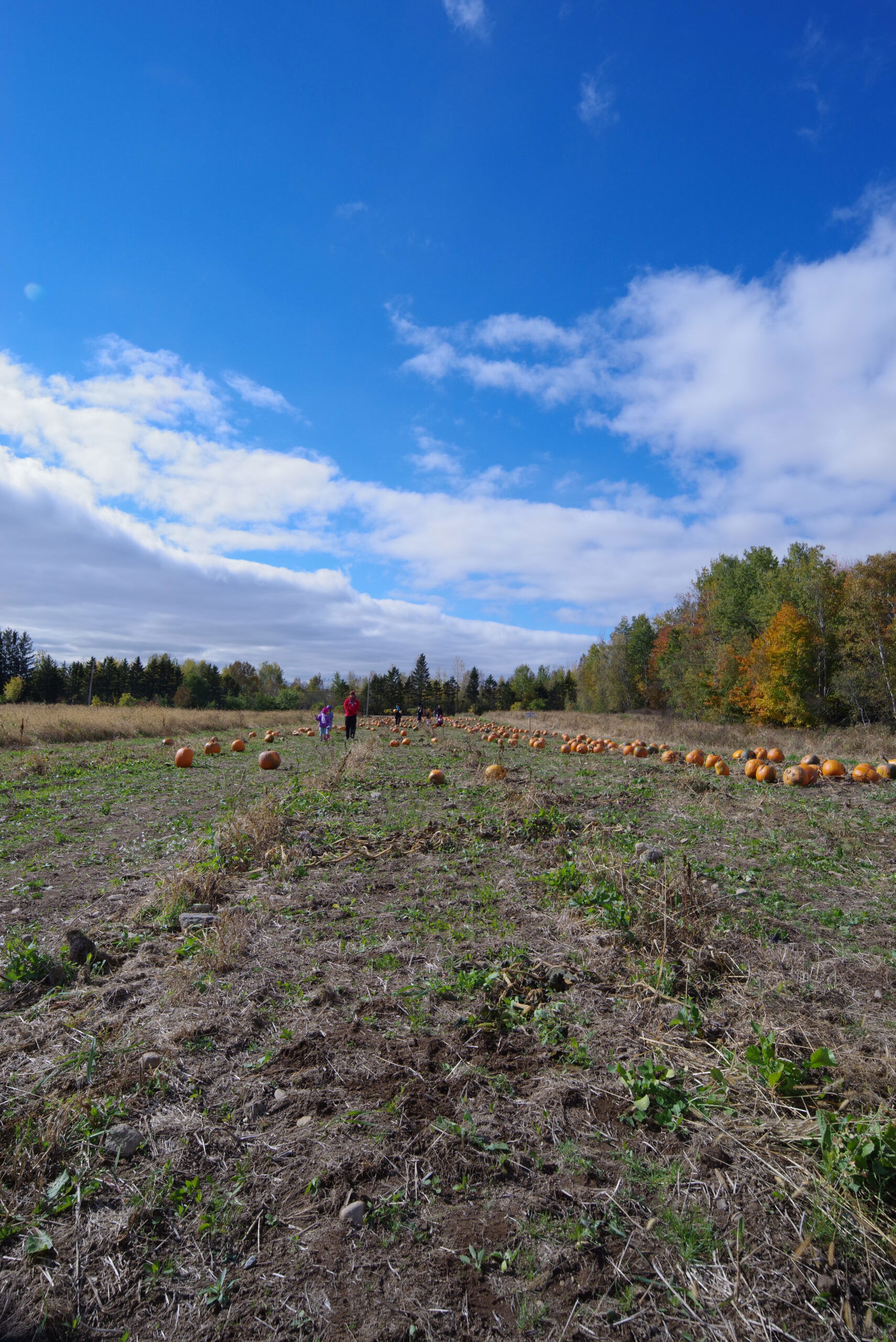
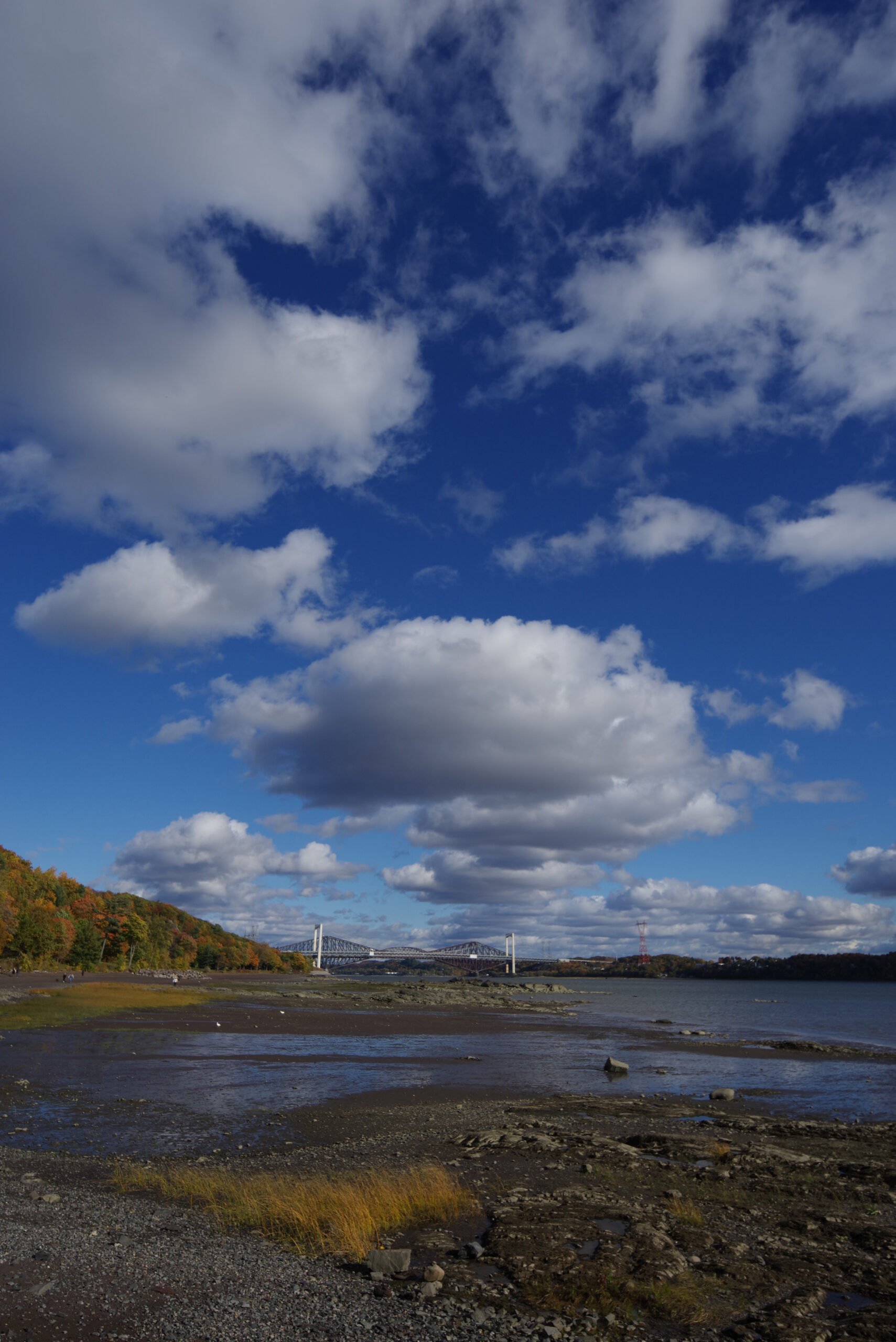
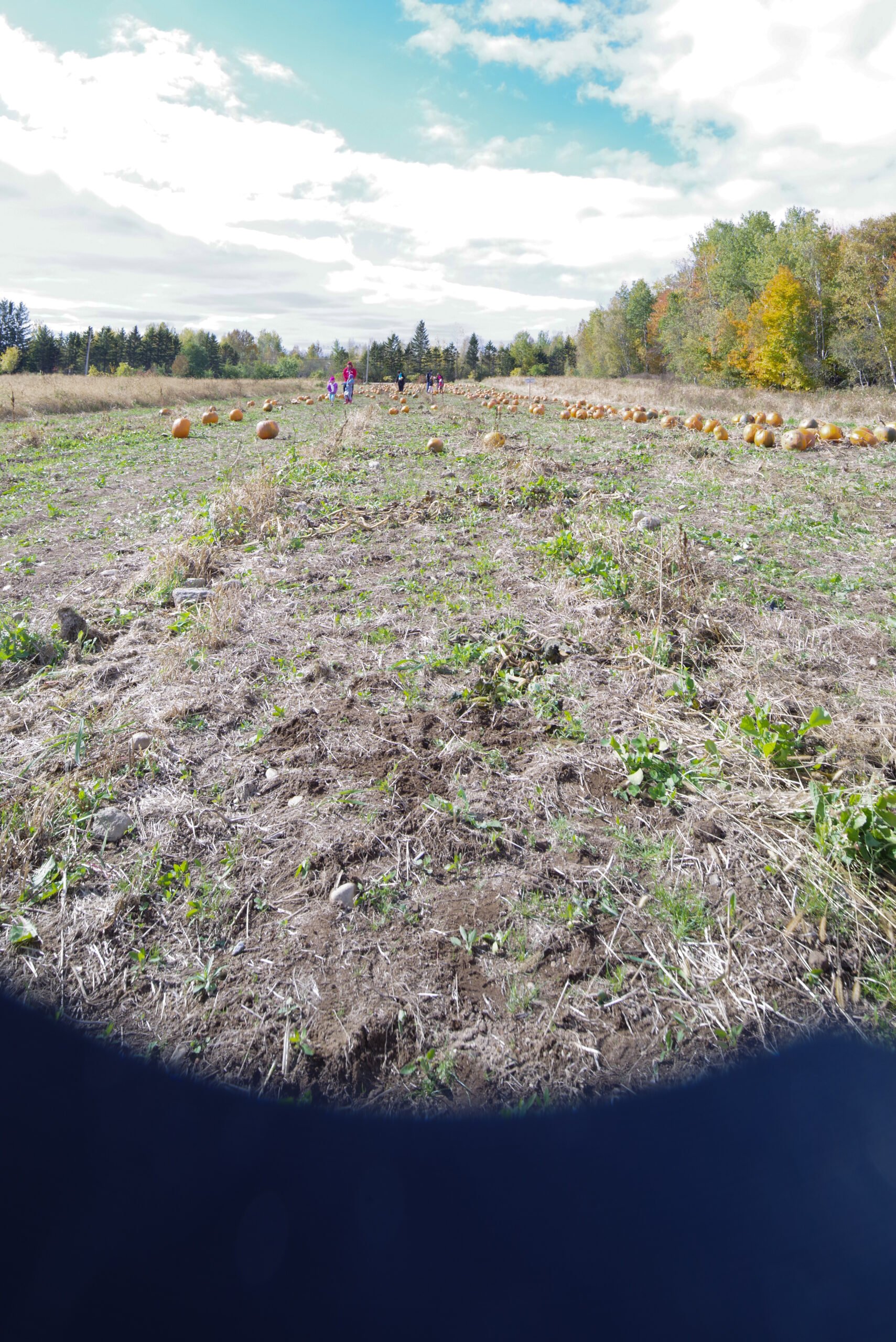
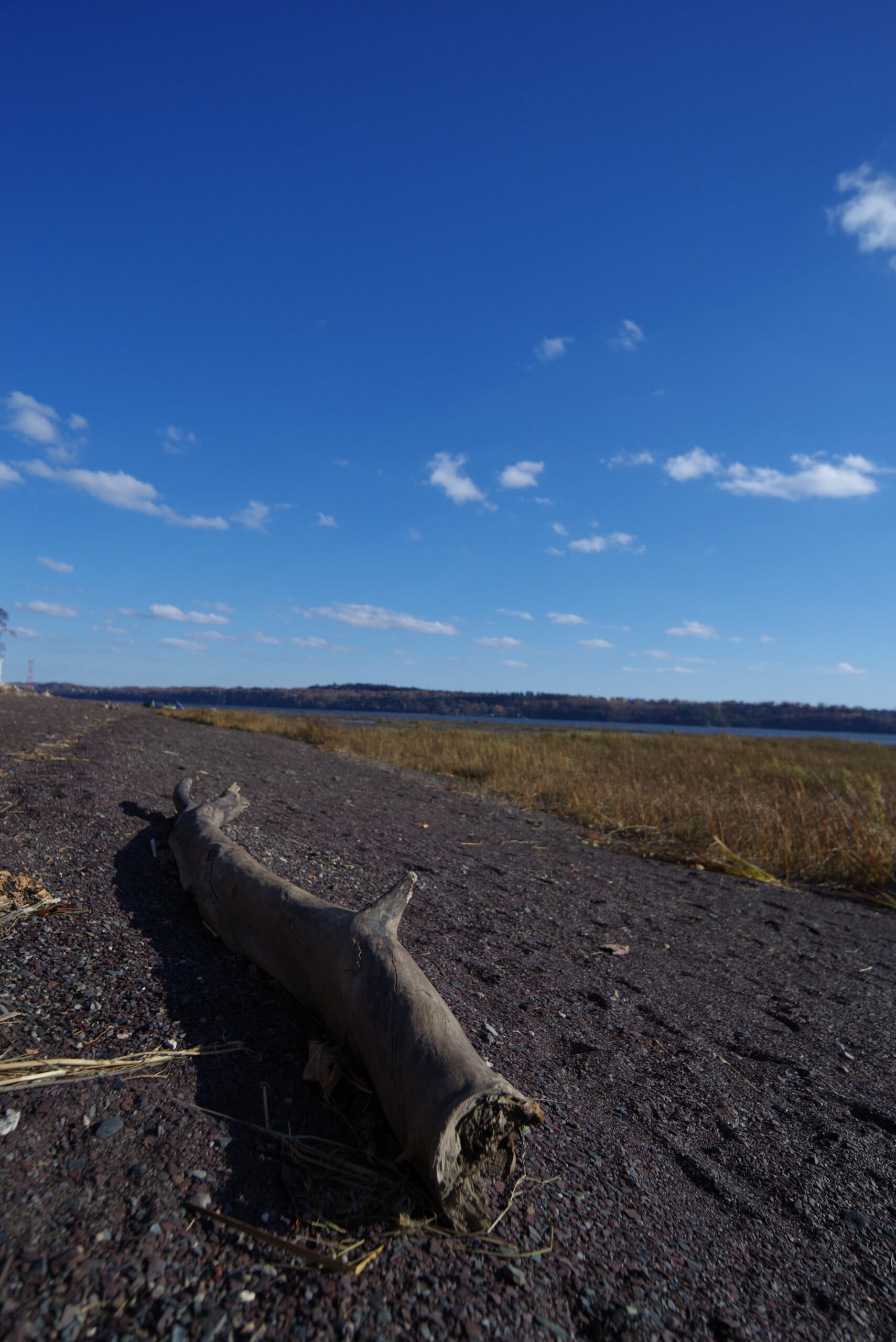
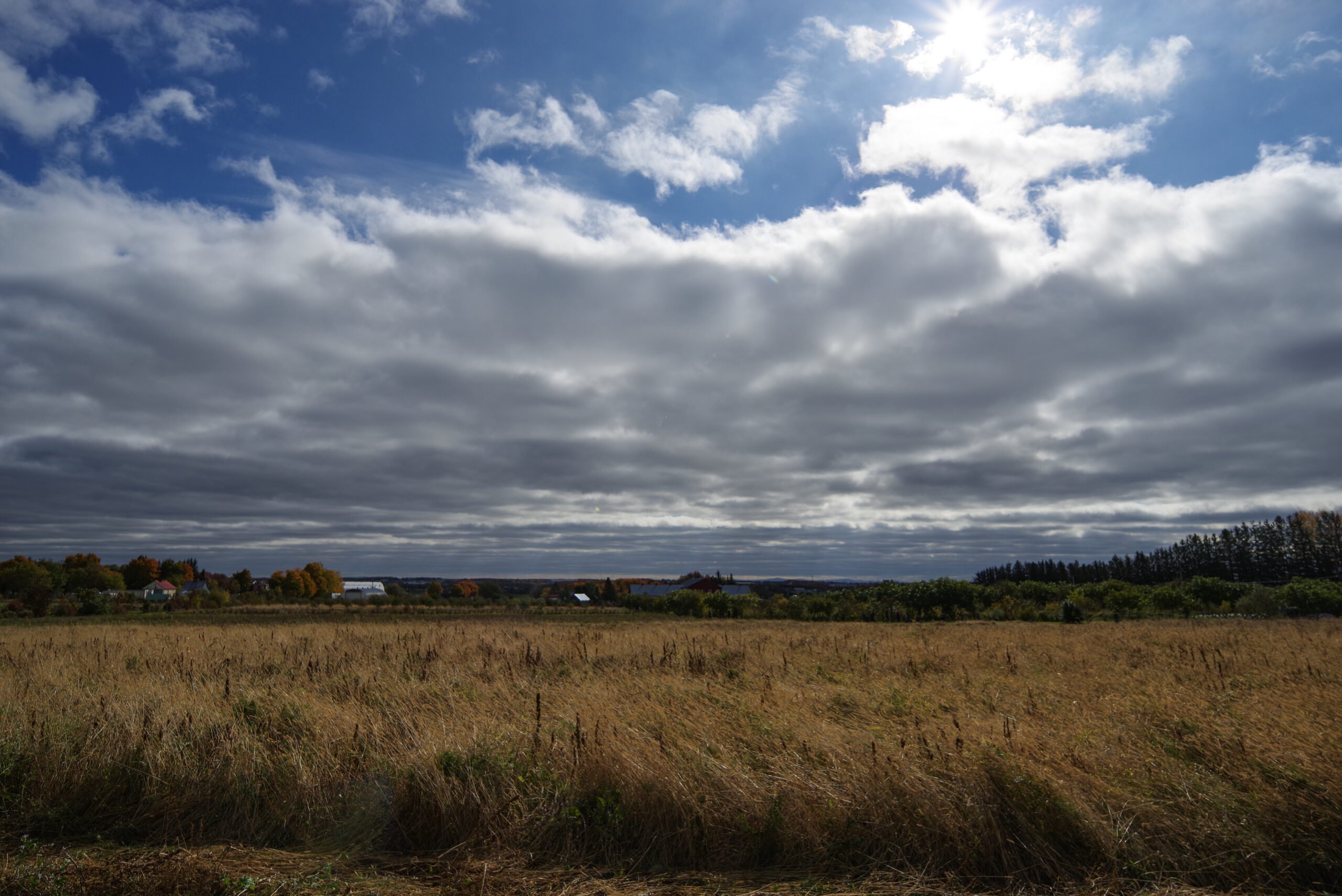
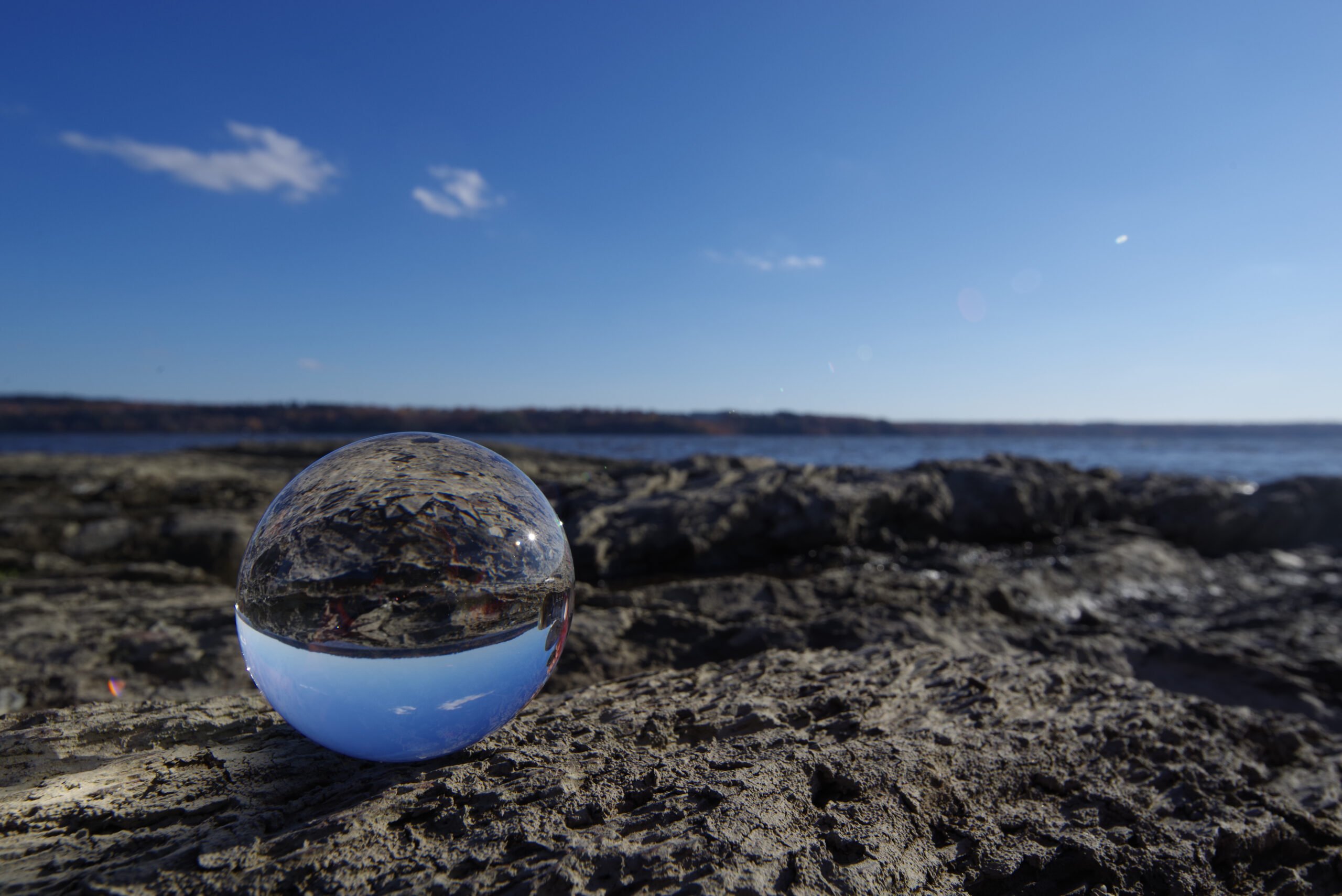
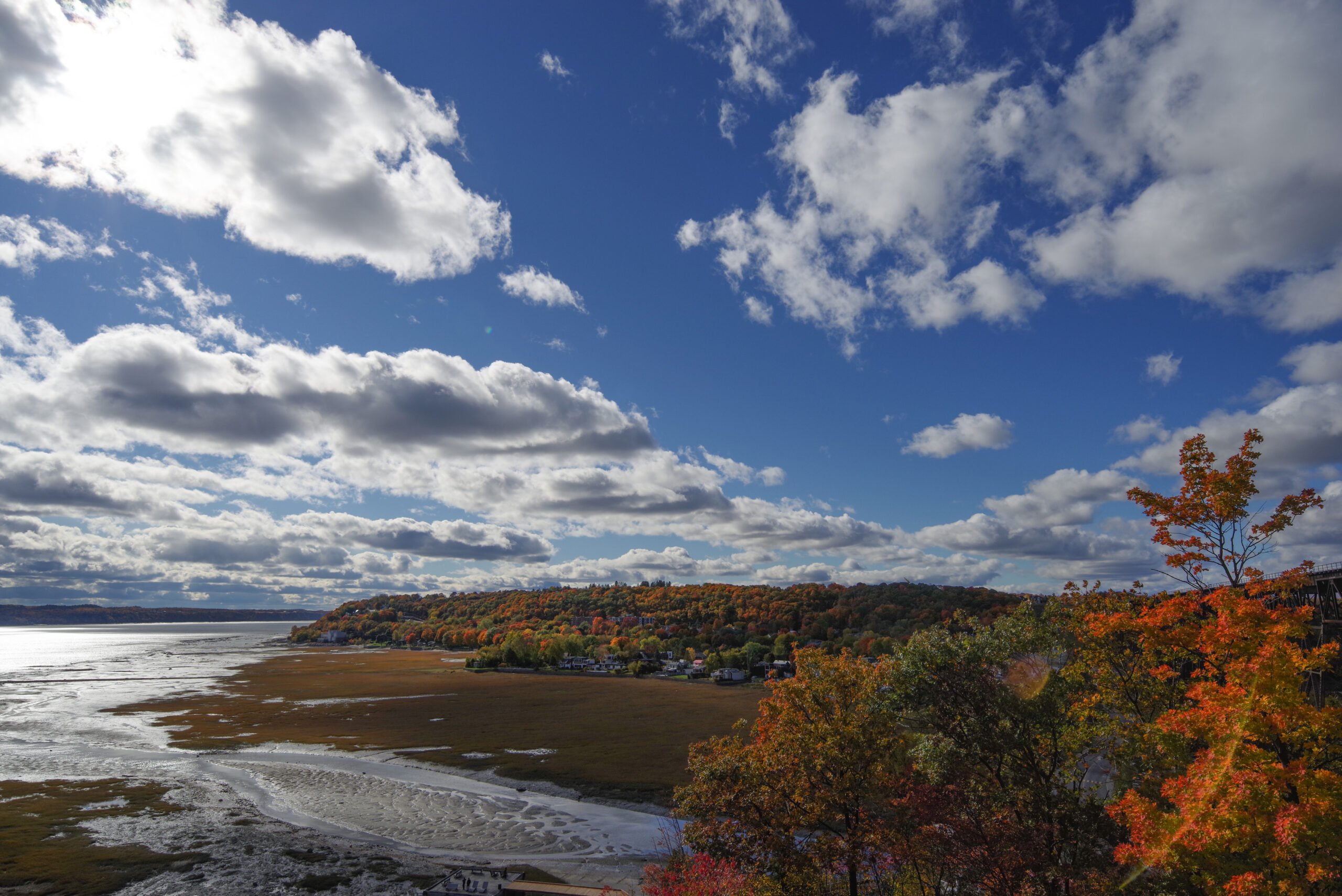
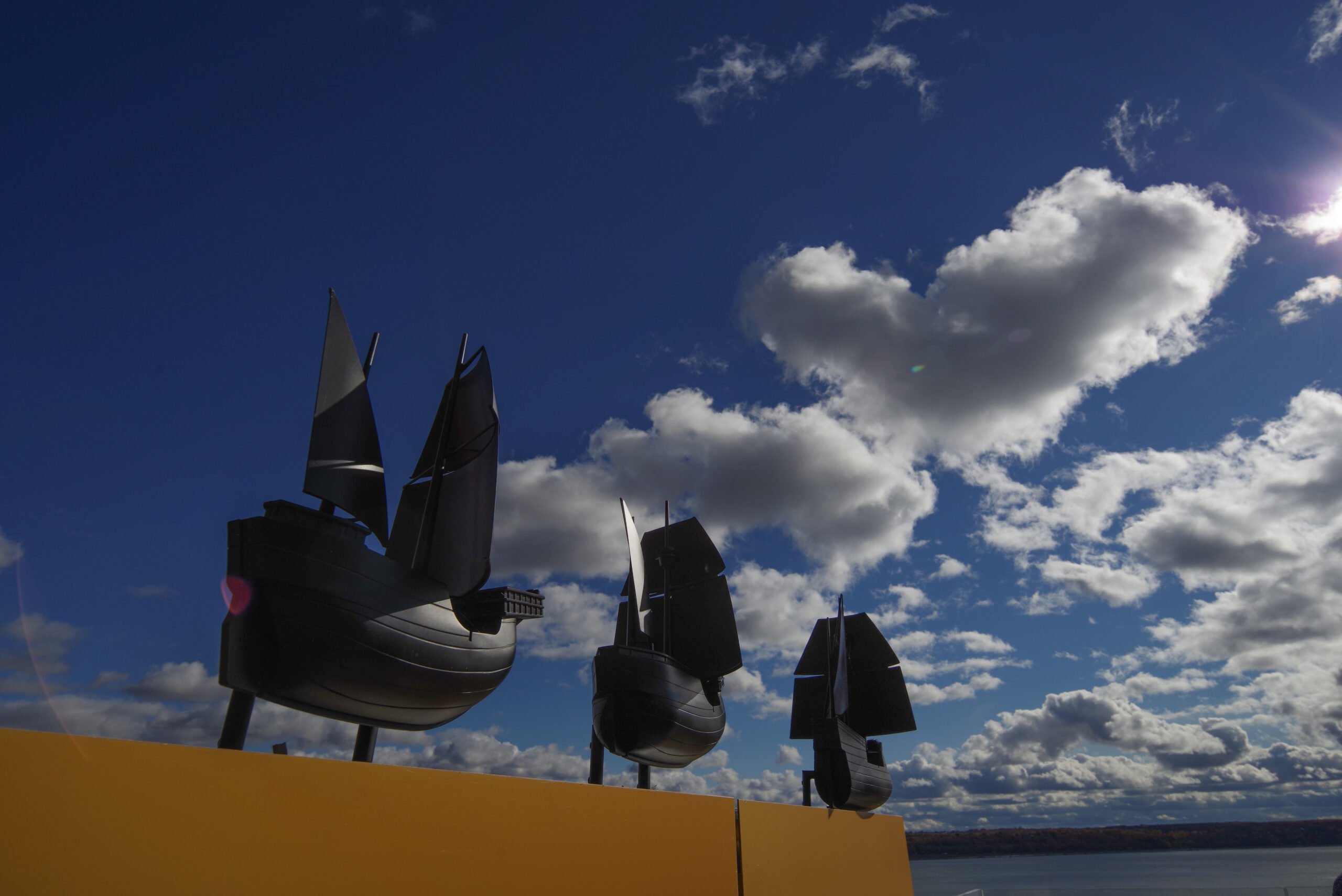
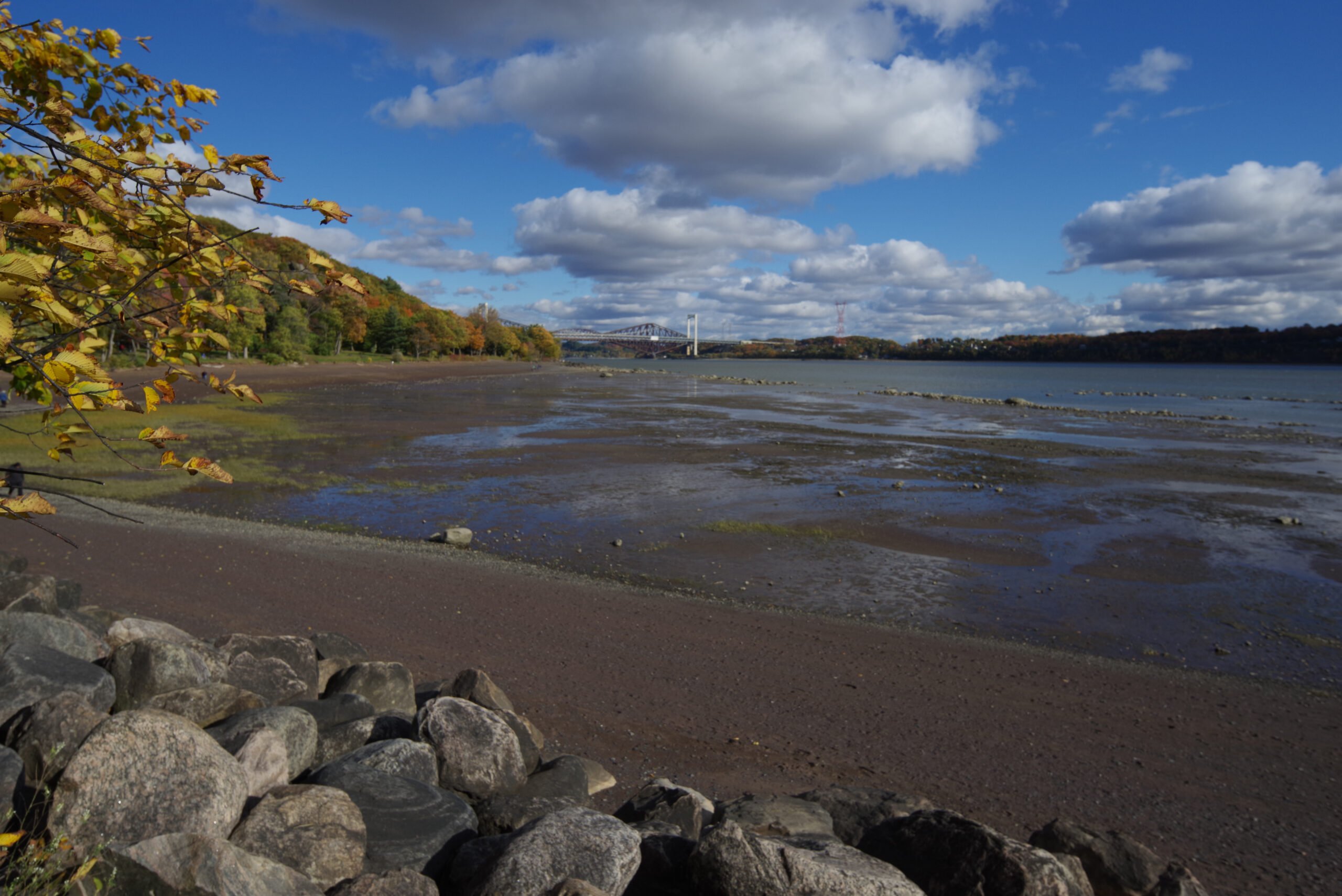
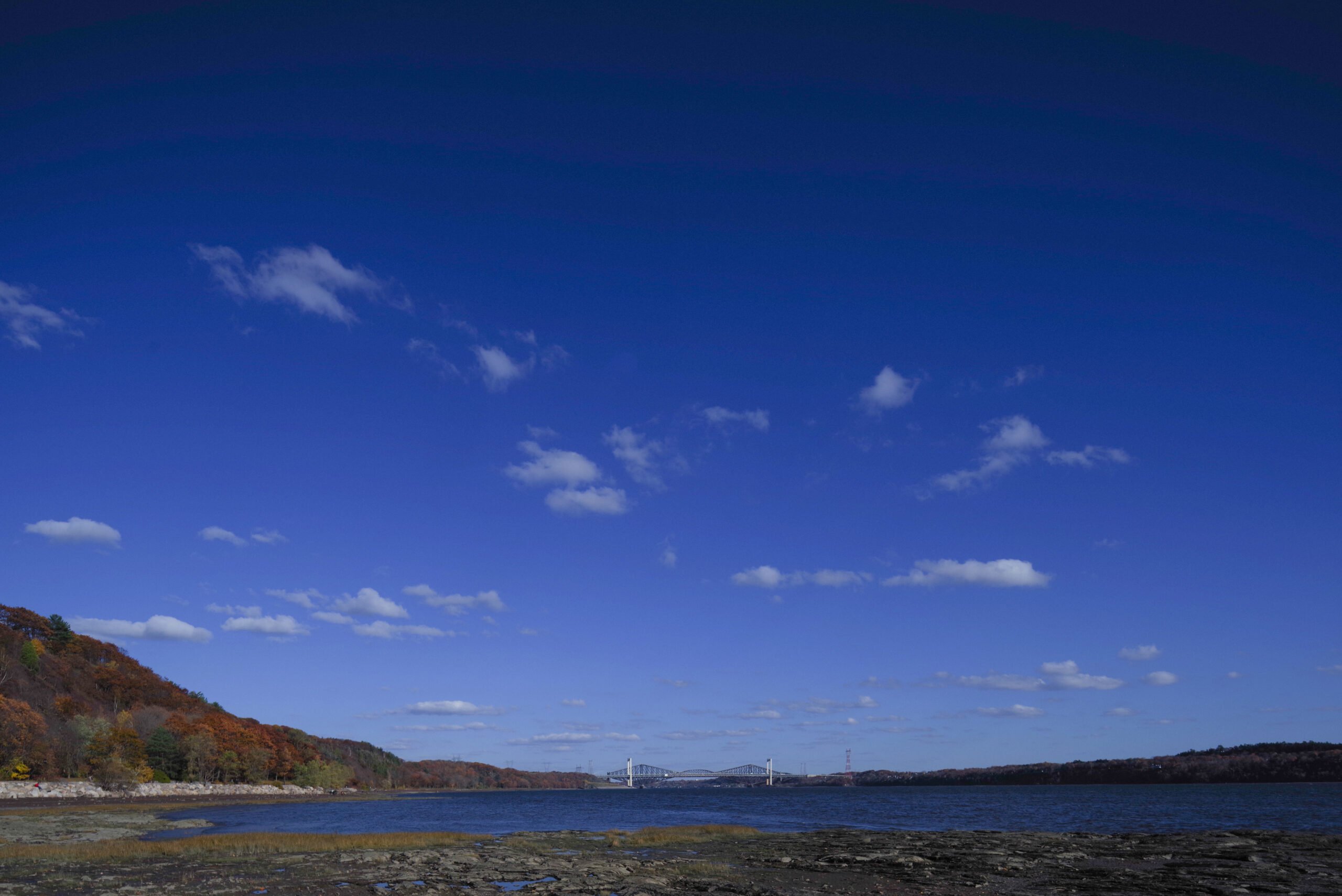
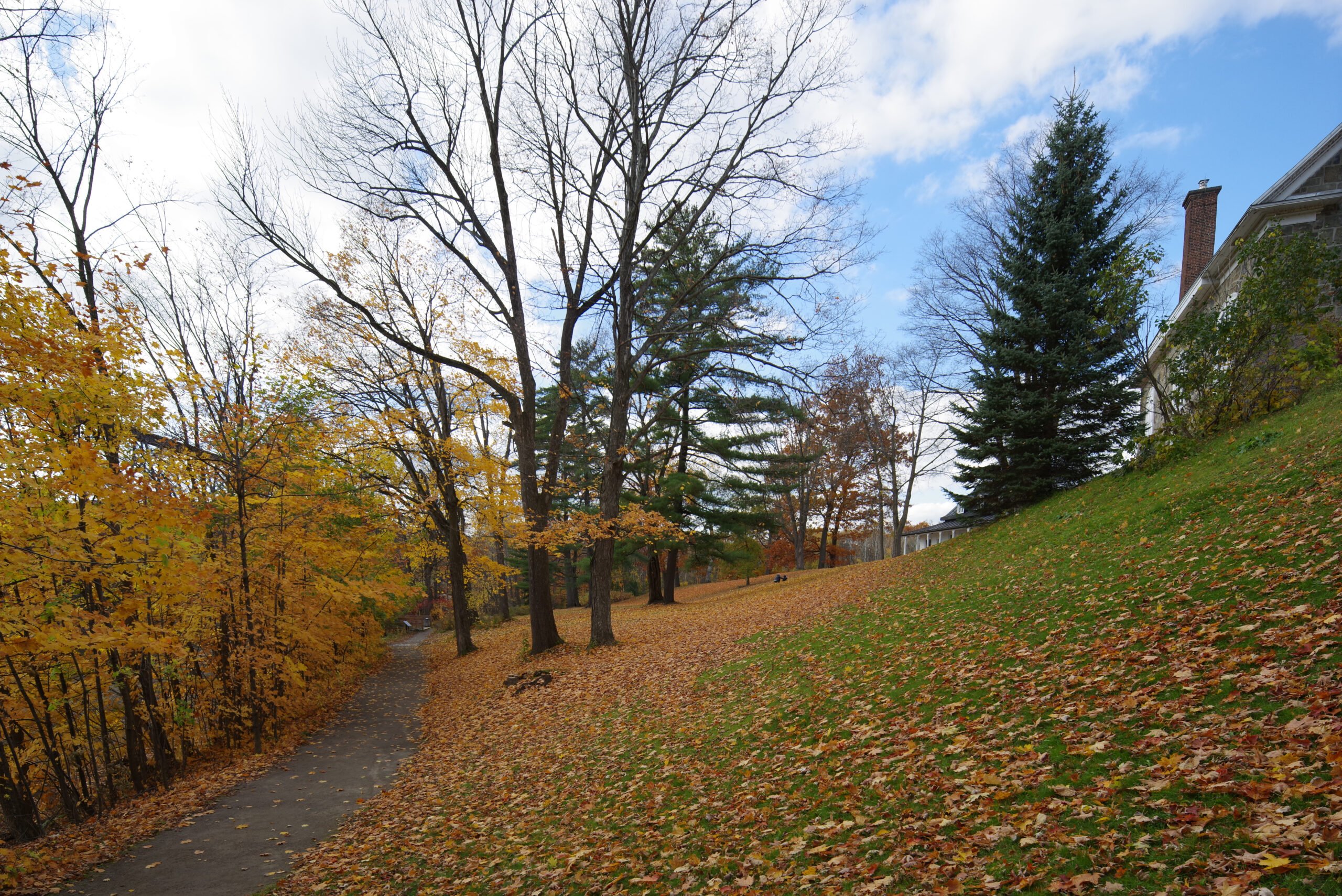
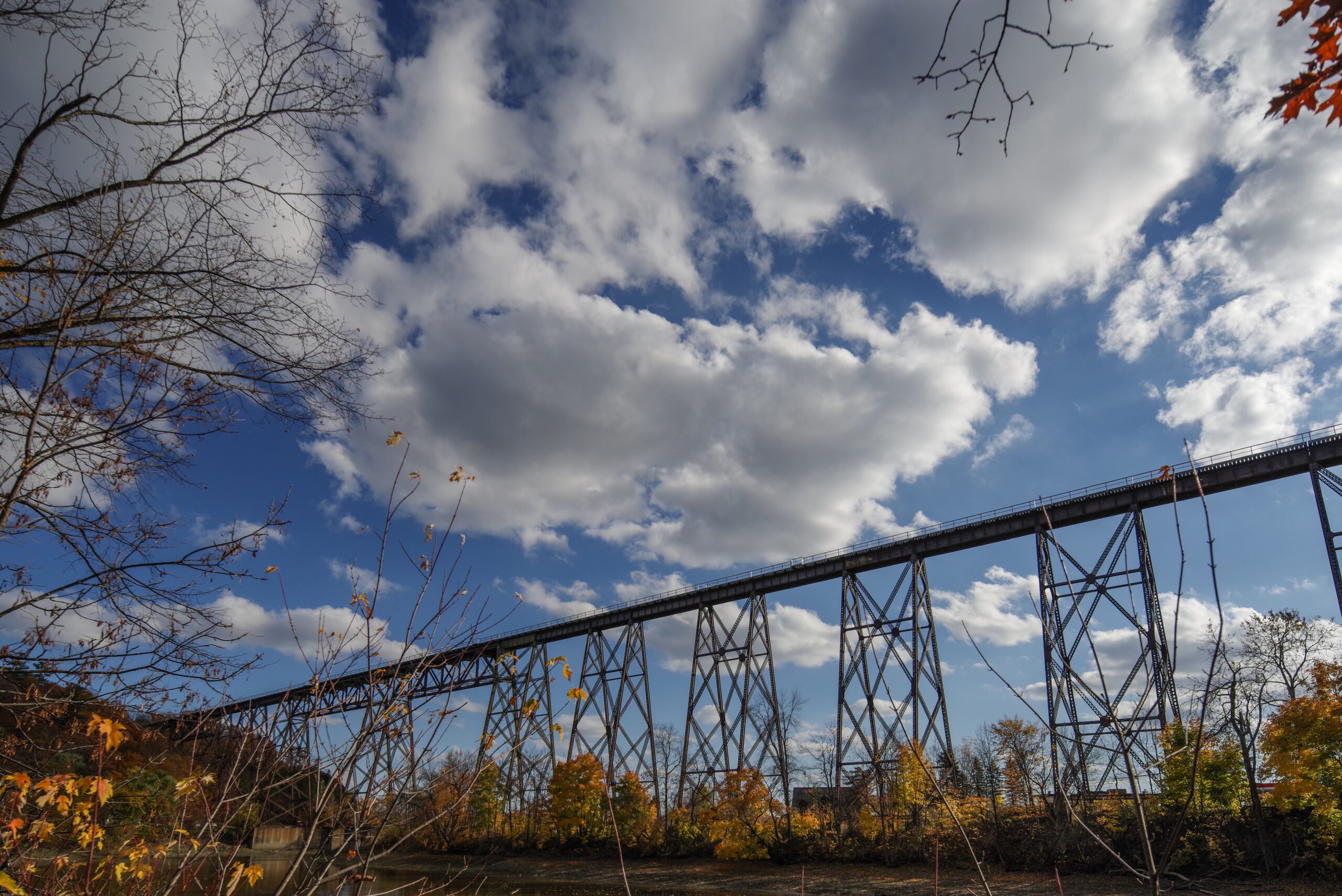
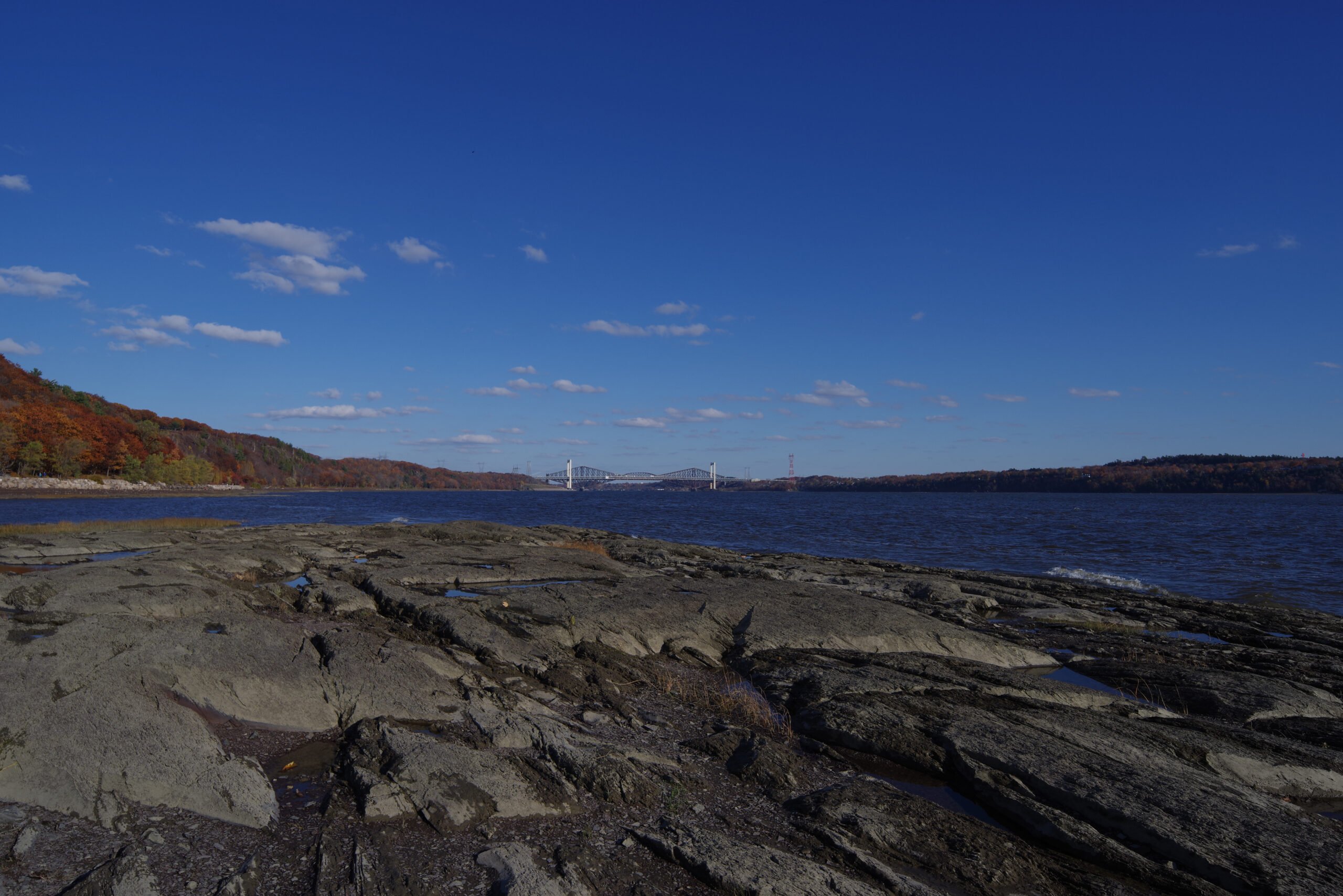
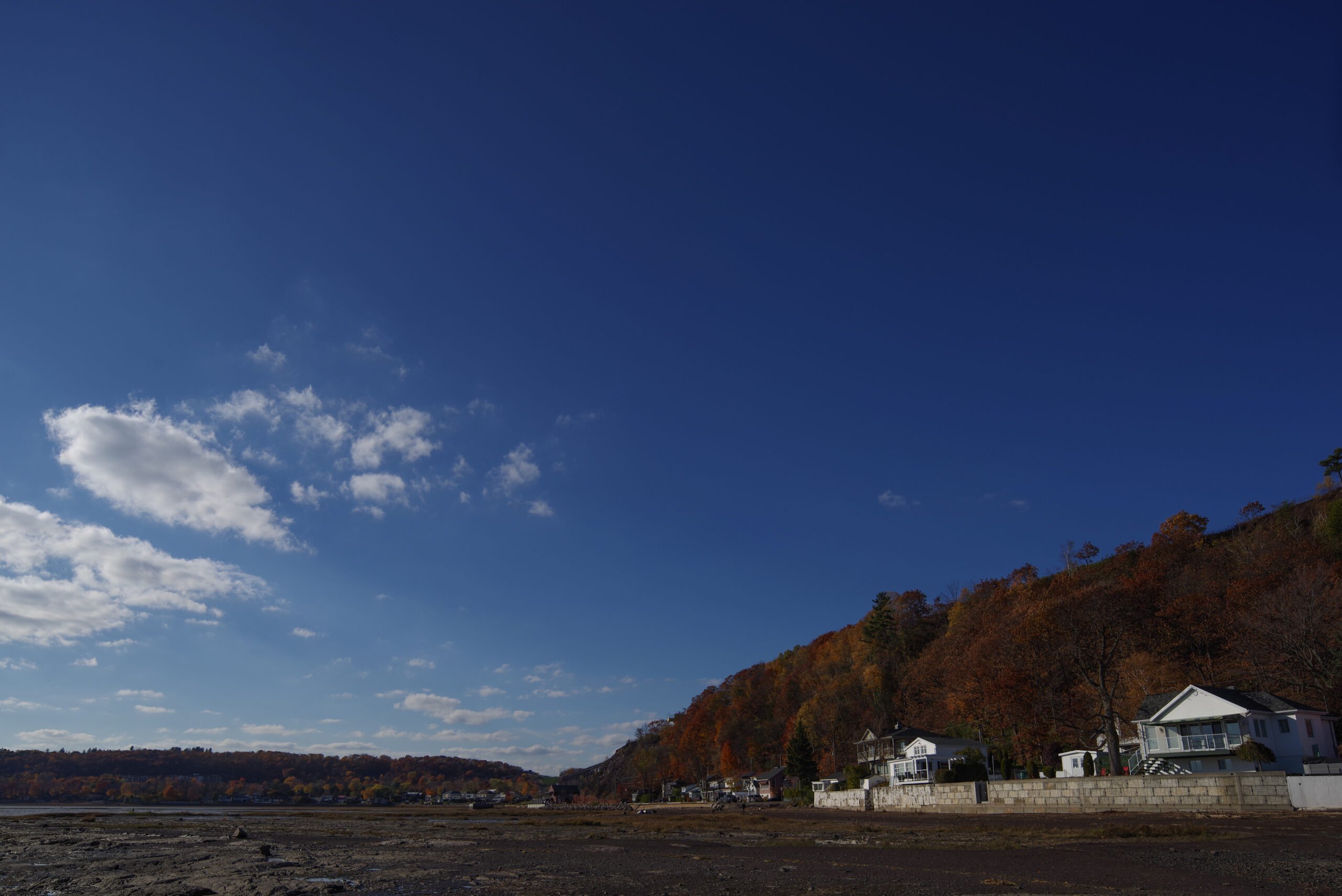
Here is a gallery of samples images captured with the Laowa 20mm F4 Shift. You can click on individual images for a larger view.
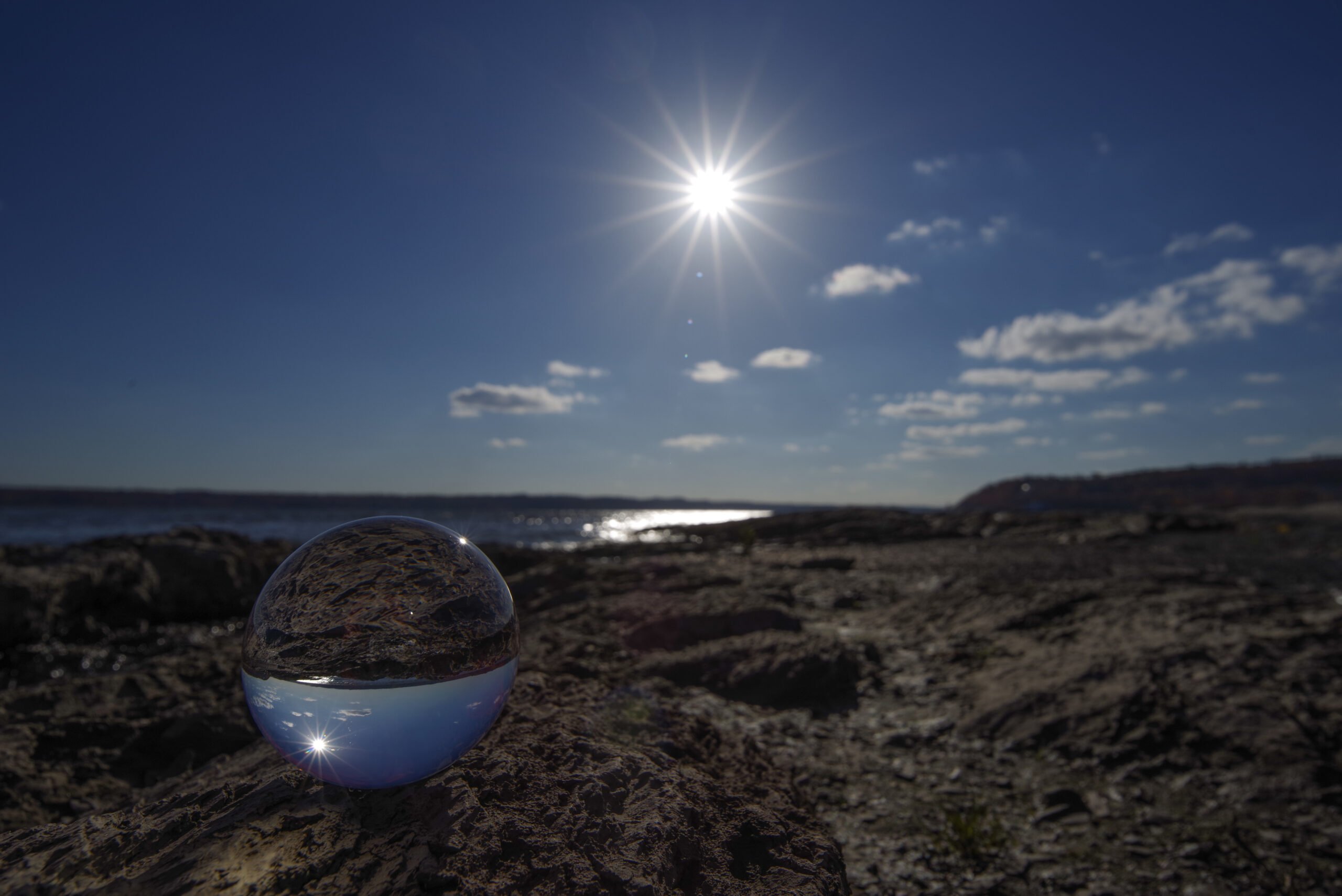
Conclusion
We could forgive a lot from a specialized lens such as the Laowa 20mm F4 Zero-D Shift. Some compromises could be acceptable in order to obtain results otherwise impossible to achieve. Luckily, with this lens, Laowa delivered a very good, all-around lens.
Build quality is excellent, as is always the case with Laowa products. The metal body is solid, well assembled, and robust despite the lack of weather sealing. Levers, rings and knobs (of which there are quite a few on a shift lens!) all function just as we would hope. In particular, the shift function is smooth and accurate. There are enough indications on the body to be able to operate the lens without referring to the manual.
Optical performances are equal or better than our expectations. Center and edge sharpness, without being class-leading, is pretty good, and uniform enough not to hinder the shift function.
Distortion is nearly absent, with a low 0.6%. Post-processing corrections won’t be necessary.
Chromatic aberration is visible in some cases in out-of-focus areas at wider apertures, but the effect is well controlled.
Bokeh and out-of-focus rendering are adequate, with smooth textures in general. On the flip side, highlights are harsh and backgrounds can become busy..
Flare and ghosting are present, but very well controlled. The lens does better than many other wide lenses. It is worse at F4, as can be expected, with a decrease in contrast.
Starbursts are superb, and present even wide open. This is a welcome surprise for a lens with a high number of aperture blades (14).
Vignetting is kept well under control. Easy to correct in post-processing, it will truly be noticeable only at wider apertures.
In summary, in addition to its shift function, which in itself is enough to set it apart, the Laowa 20mm is a good lens in its own right. Larger than some competitors (to accommodate the shift mechanism and account for the larger illumination area required) and with a moderately fast aperture, it has no true optical weaknesses, and offers something almost no other lens has. Other alternatives such as the Tamron 20mm F2.8 have a faster maximum aperture and offer autofocus, something the Laowa lacks, but in some cases, the possibilities offered by the Laowa 20mm F4 Shift will be invaluable.
Pros
- Unique shift mechanism sets it apart
- Excellent mechanical operation and build quality
- Good sharpness at most apertures
- Little CA or PF
- Particularly good for architecture
- Useful close focusing capabilities
- Vignetting well controlled, especially for a wide lens
- Good control over flare
Cons
- Corner sharpness not as good as center and edges
- Bokeh adequate but nothing special
- Position of the rotation switch can be hard to reach for larger fingers
- Hood cannot be reversed
Check Price & Reviews: Laowa 20mm F4 Zero-D Shift
At: B&H Photo | Amazon
Before You Go
Do you already own this lens? Are you curious about it? If you do, we’d love to hear your thoughts in the comments below.


Thanks for your assistance. I’ve been balking at the idea of purchasing a shift lens for 30 years, instead trying not to zoom below 24!
Following your article, I looked up the specs. The manufacturer has also released a 15mm shift lens in the same series. Is there anything I should be cautious of when opting for that lens instead of the lens you tested and reviewed so extensively?
Cheers
Gaz
Hi Gary!
Thanks for your good words.x
I have not personally used the 15mm Shift (yet!) so I cannot comment on its optical capabilities. I can tell you that, as the focal length gets wider, it can become trickier to compose and generally use a lens. 20mm remains rather natural. Distortion and aberrations also become harder to manage, although in that regard Laowa has proven quite competent in the past and their 15mm is a “Zero-D” (the company never, so far, misused this label). So I wouldn’t be overly worried about distortion. Corner sharpness will be a question mark until I test it.
In short, if you want extreme wide angle, the 15mm will of course give you a wider FOV, but if you like what you’ve read about the 20mm, then it’s a known quantity.
I hear you, I can happily adopt 20m to rid myself of the unintended converging lines. Dipping my toe in!
Great review.
G