
In this review, we take a look at the classic Zeiss Batis 25mm F2 Distagon T* for Sony FE-mount.
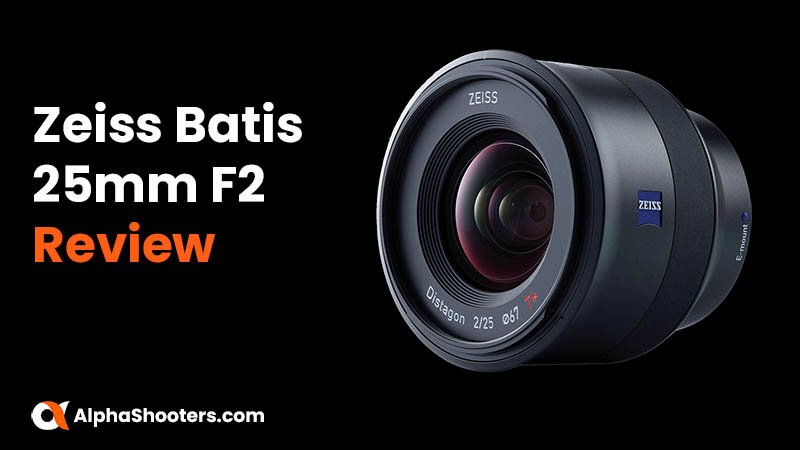
Table of Contents[Hide][Show]
Introduction
Zeiss is a name long associated with high-quality optics, arguably being seen among the best lens manufacturers in the world. Their association with Sony brought, especially in the early days of the Alpha line, a varnish of credibility to the mount. Traditionally, Zeiss lenses were manual lenses with extremely robust and durable bodies. Starting around 2015, Zeiss launched the Batis line. These lenses feature metal bodies, autofocus and auto-exposure, and the interesting OLED display which can show focus distance, hyperfocal range, DOF, and other information. The Batis lenses were the first lenses from any manufacturer to use this approach.
The Batis 25mm F2 Distagon T* is a wide angle lens with a fast aperture and a moderate size. It has a good reputation but in 2023, some people might be wary of it because it is not this year’s design. Good glass doesn’t stop being good, but aberrations corrections, AF speed and tracking have seen tremendous improvements in the last few years.
The Batis 25mm now needs to compete with several quality products in the wide angle range. Sony offers a few, among which is the 24mm F2.8. Tamron offers their own 24mm F2.8, as well as the recently released 20-40mm F2.8 and the wider 25mm F2.8. Laowa proposes many ultra-wide primes, and the 25mm F4 Shift is close to the Batis’s focal length. And that’s without counting the few “normal” zooms reaching between 24-28mm. None of those offer the Batis’ F2 maximum aperture but many can hold their own.
In this in-depth review, we will take a look at all the technical and artistic parameters which help to define a lens. Read on to find out everything there is to know about the Zeiss Batis 25mm F2 Distagon T*!
Specifications
| Lens Name | Zeiss Batis 25mm F2 Distagon T* |
| Optical formula | 10 elements in 8 groups |
| Image circle | Full frame |
| Field of view diagonal | FF: 82° APS-C: 59° |
| Aperture range | F2/F22 |
| Aperture blades | 9, curved |
| Aperture ring | No |
| Max magnification | 0.19X |
| Minimum focus distance | 0.2m |
| Internal focus | Yes |
| Filter thread diameter | 67mm |
| Lens cap | Plastic, clip-on |
| Lens hood | Removable petal-shaped |
| Diameter x Length | 81 x 78 mm (3.2 x 3.1 in) |
| Weight | 335 g (11.8 oz) |
| Price (US MSRP) | $1349 |
Construction and Handling
In this section, we take a look at the physical characteristics of the Batis 25mm.
Front Element
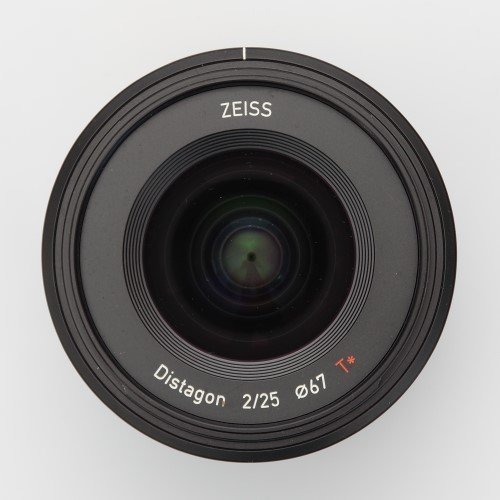
The front of the lens bears the branding (surprisingly without the “Batis” label) along with the lens’ characteristics. The T* label, referring to the company’s coatings technology, is also present. The glass takes up a large part of the total front surface.
The lens uses the common 67mm filter thread. Many FE-mount lenses use this filter size.
The lens cap is plastic, and rather pedestrian for this high-cost lens. Our test subject had been in use for some years and the springs holding the cap in place had broken. Lens caps are easy to replace but we would have expected better durability.
Box
We normally do not comment on the packaging of a lens, but in this case the elegant disposition and presentation of the box bears mention. A bit wasteful of space to be sure, but a nod to the higher-than-usual price tag.
Lens Body
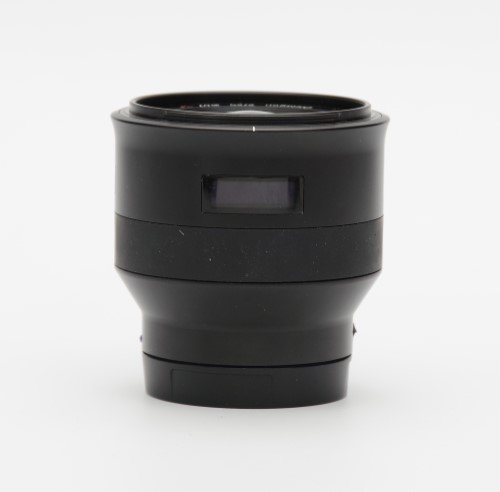
The lens is elegant, in a streamlined and almost minimalist way. The aluminum body is smooth and, when the lens isn’t powered, almost devoid of markings or labels. Users familiar with other Zeiss lenses will be impressed by the lightness of the Batis 25mm. It weights only 330g, despite being solid and confidence-inspiring.
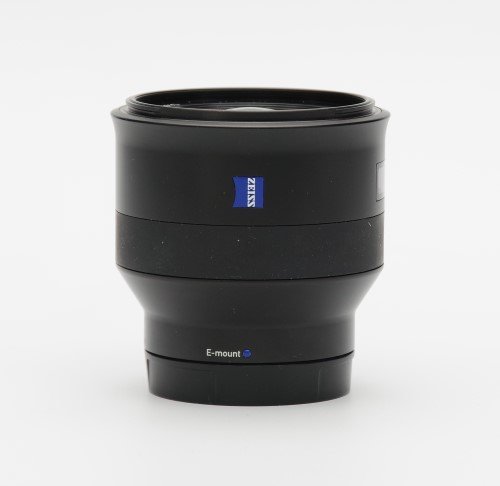
Indeed, the lens feels like a solid product, but elegant, pleasing to handle, and extremely durable. Despite years of use, our test lens still looked premium and pristine.
The bottom of the body shows no features apart from a cute blue dot to help lining up the lens for mounting. Above, the lens tapers out to a much larger diameter. The main shaft of the lens has a constant diameter; it is essentially a cylinder.
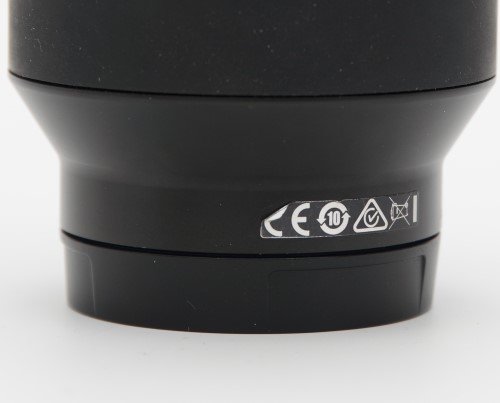
Some regulatory symbols are shown on a sticker, which had started to peel off on our test sample. Another aesthetics disappointment, this sticker looks a bit cheap.
At the base of the cylindrical section is the focus ring, wide and rubbery. The material does not seem to degrade with time as is sometimes the case, nor is it prone to catch dust particles.
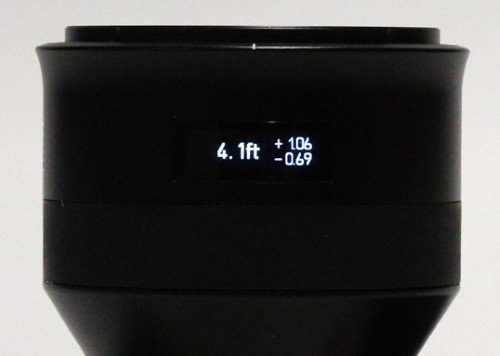
Next are the Zeiss logo, to the left when seen from above, and the OLED window. This window shows blue-white text on a black background and is monochrome. Its operation can be adjusted (always active, only when focusing, always inactive), the display can be changed from meters to feet, and the information displayed can be tuned. By default, it shows the current focus distance, as well as the near and far limits of the current DOF. It updates with aperture and focus distance. This display is extremely useful, especially when performing manual focus, a vast improvement over the traditional distance scale and hyperfocal markings.
The lens Does not extend when zooming.
Aperture
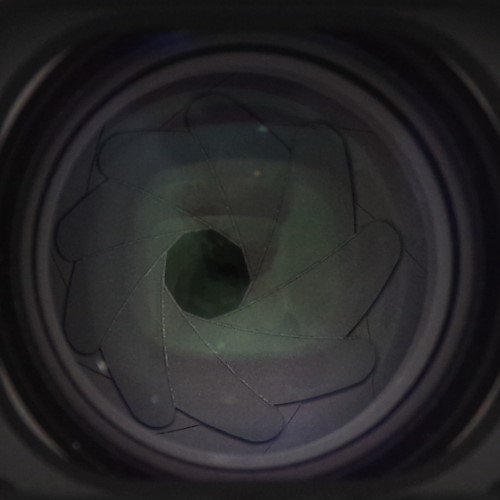
The Batis 25mm uses 9 curved aperture blades.
Lens Mount
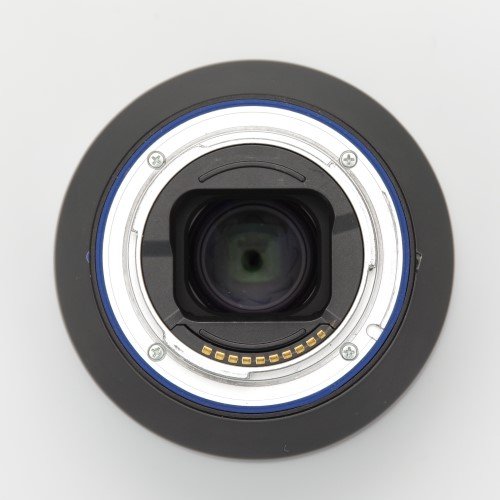
The lens mount is metal, and features a blue o-ring to protect against water ingress. There is a rectangular cut-out on the back, to diminish stray reflections. To some extent, it serves a function akin to a lens hood.
Lens hood
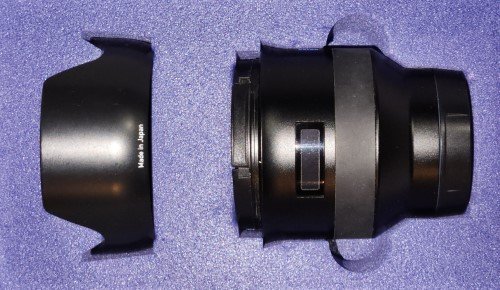
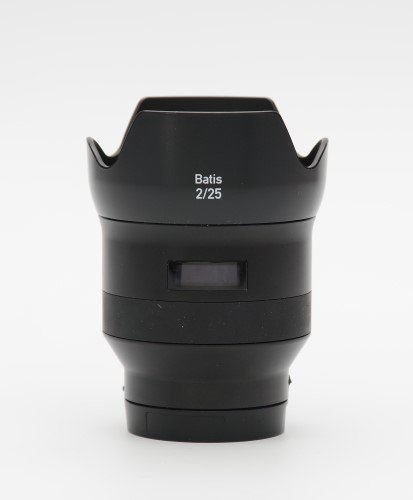
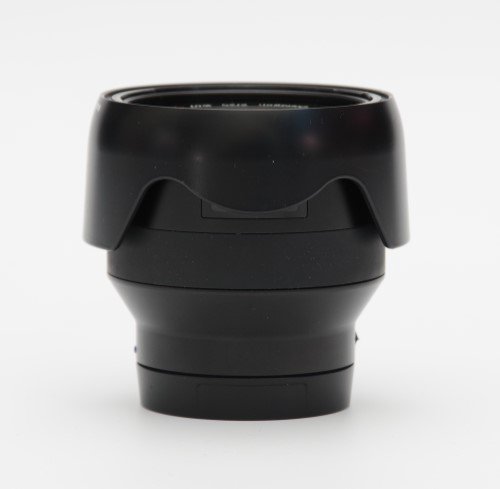
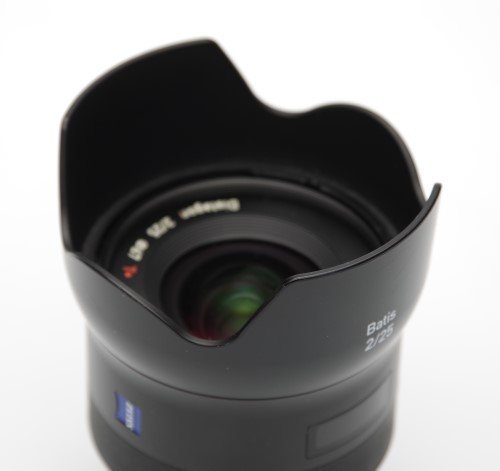
The lens ships with a plastic lens hood. It is petal-shaped and, as usual, reverses for storage (covering the OLED screen while doing so). The lens hood is particularly elegant. Instead of being an afterthought, its shape integrates perfectly with the lens body which flares out subtly towards the front. When mounted, it appears to be an integral part of the lens body. The hood beats the Batis name.
Mounted On Camera
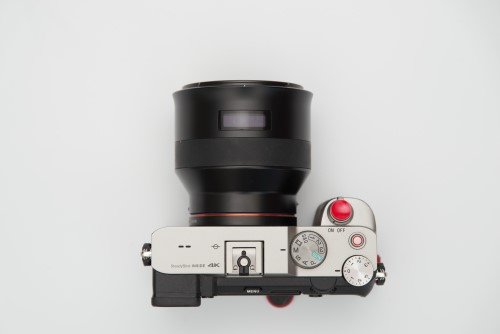
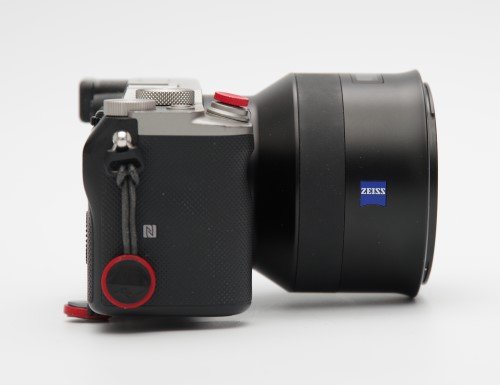
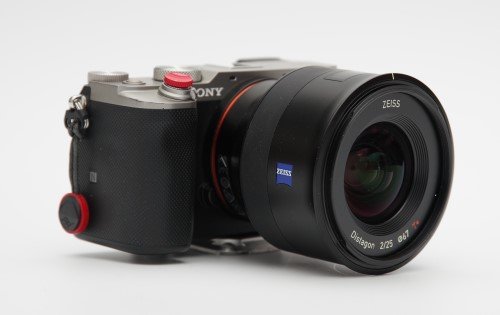
The Zeiss Batis 25mm F2 feels right at home on a small body like the A7C. It balances nicely and is easy to operate.
Side by side
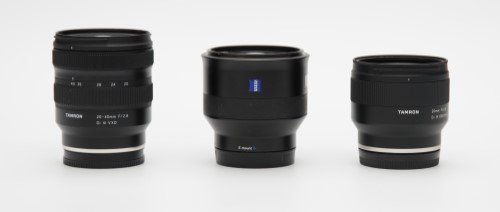
Here is the Batis 25mm next to the Tamron 20-40mm F2.8 and Tamron 20mm F2.8. The Batis sits between the two regarding size.
Focusing
The Batis 25mm was announced in 2015, so it will be interesting to see how it can hold its own in 2023.
In general use, the lens feels responsive and reliable. It never struggled to lock focus, never felt sluggish or particularly slow. It didn’t feel blazing fast either, but never slowed us down.
There is no manual focus switch on the lens, despite Zeiss’ history as a maker of manual lenses. This lens, like other E-mount lenses, uses focus-by-wire, meaning the focus ring tells the camera that it should move the focus motor. With focus-by-wire, there can be a slight lag, as well as a lifeless feel when compared with a mechanical focus lens. Despite this, Zeiss managed to deliver a pleasing manual focus experience with the Batis 25mm. Like other focus-by-wire lenses, the speed of rotation of the ring determines the speed of the adjustments. Turning slowly gives precise control, turning fast allows for coarse adjustments. The feel of the focus ring is pleasant, with good friction. The lack of mechanical feedback isn’t a show stopper.
We observed no occurrences of hunting during our tests. Focus was accurate and dependable in all cases.
AF Speed
AF speed was tested with the A7C. The subject was a black cross on a white background, about 1.5 meters in front of the camera. We used the central focus point. Three measurements were averaged for each data point.
For reference, 5 EV corresponds roughly to a small room lit with a 60 W bulb, and a sunny day corresponds to 16 EV, and a moonlit night to -2 EV.
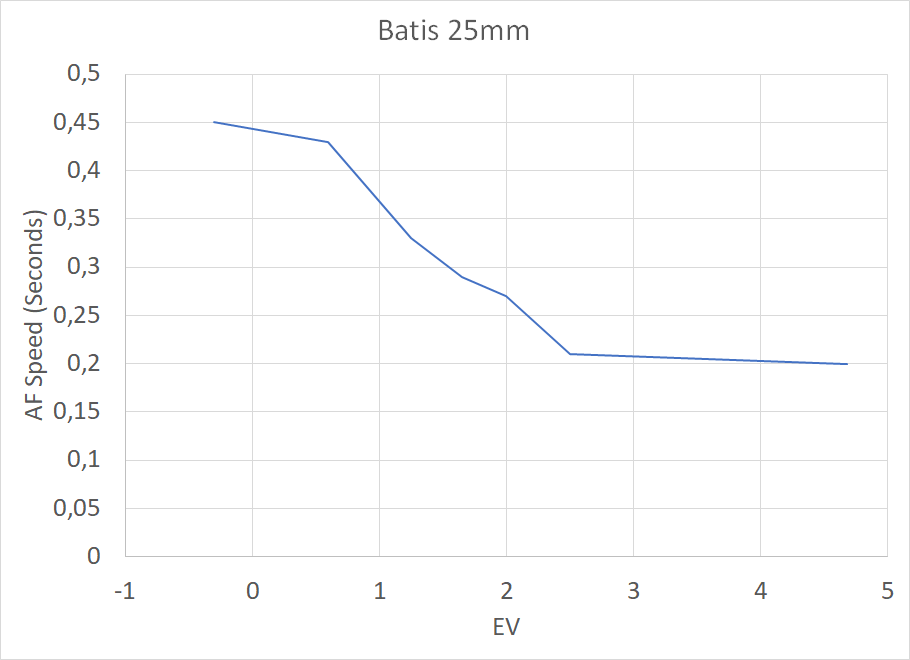
There are two regimes when testing focus with the Batis 25mm, with the tipping point being around 2 EV. This is a common value for Sony cameras, more dependant on the body than the lens. Beyond 2 EV, AF speed is almost constant, at approximately 0.2 seconds (in other words, instant). Below 2 EV, speeds decrease but even in very low light it takes less than a half-second to focus.
In summary, and despite being an older design, the Batis 25mm is still among the fastest AF lenses we have tested.
AF Tracking
AF tracking, or continuous AF, is a hallmark of Sony cameras. As such, it is important to evaluate whether or not the Batis 25mm can keep up with fast movements of the subject.
In our experience, the lens generally performs well in this regard. Most of the time, it was able to keep track of subjects with ease.
The following animation shows a series of images, and involves movement diagonal to the photographer, sunlight in the FOV, and a rotation of the camera. The 26 images remained well focused. Moreover, the AF was initiated after the subject started moving.

General Image Quality
Before diving into the technical aspects of this review, let’s have a look at the more subjective elements which can make or break an image.
Field of View
25mm is an usual focal length, close but not identical to the more common 24mm. At the wide end, each millimeter matters, but the difference between 24 and 25mm is academic. As such, the lens offers a focal length that’s comfortable for most wide angle situations. Some users struggle with wider fields of view, as unexpected elements sometimes creep into the frame. The narrower 28mm will sometimes feel a bit cramped. 25mm is a sweet spot for many.

The Batis 25mm is a good walkaround prime, thanks to its small size and its fast maximum aperture. City walks, landscapes, candids, interior photography are all relevant use cases.
Color and Contrast
As expected of a Zeiss lens, colors and contrast are excellent. The lens produces what we would call “accurate” images, but is able to pull everything from a scene to make it appear as rich as possible. There is no hint of oversaturation, but a finely threaded balance between accuracy and pop

The lens also yields itself very well to black and white, where the rich contrast can be emphasized even more.

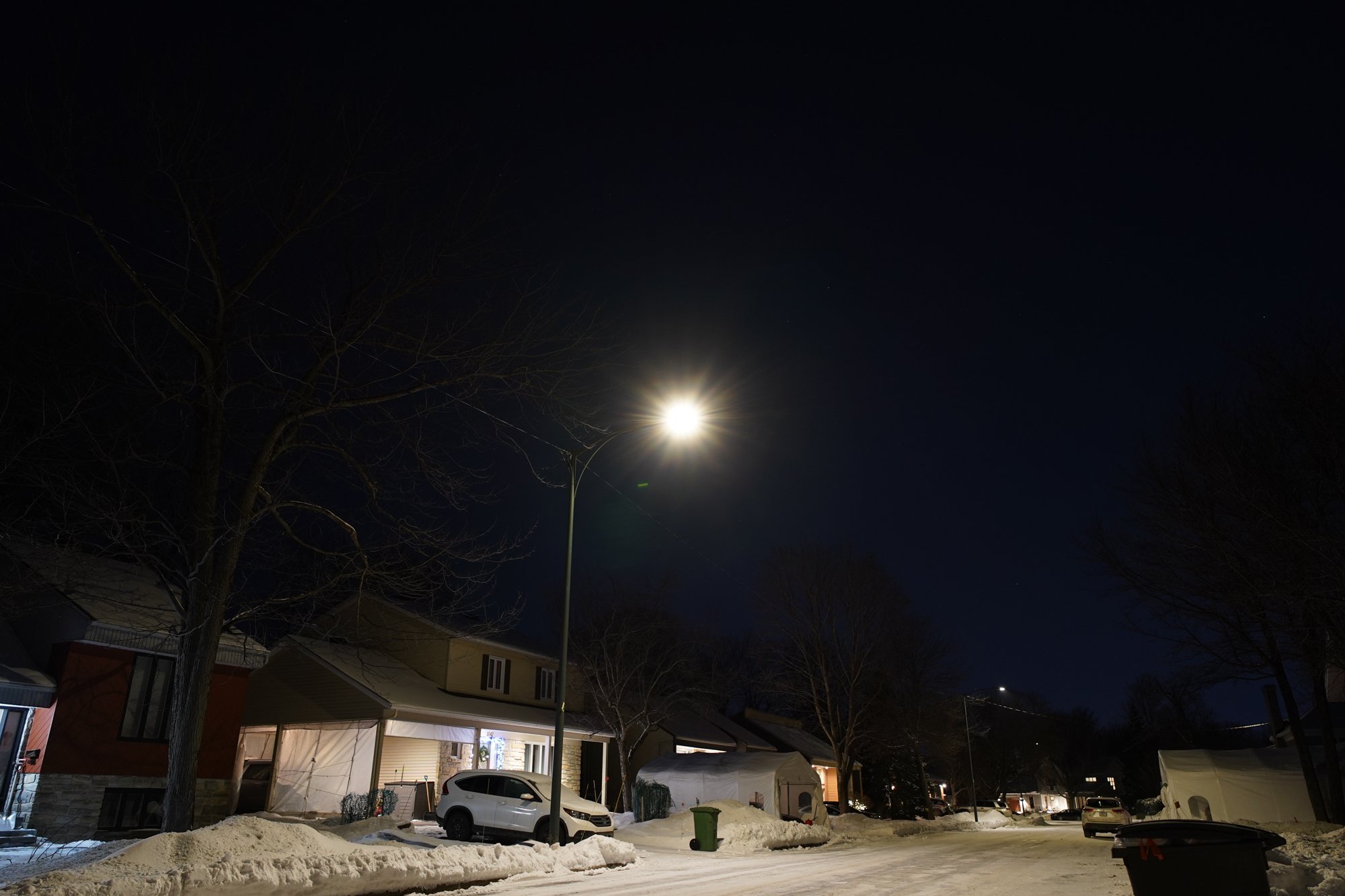
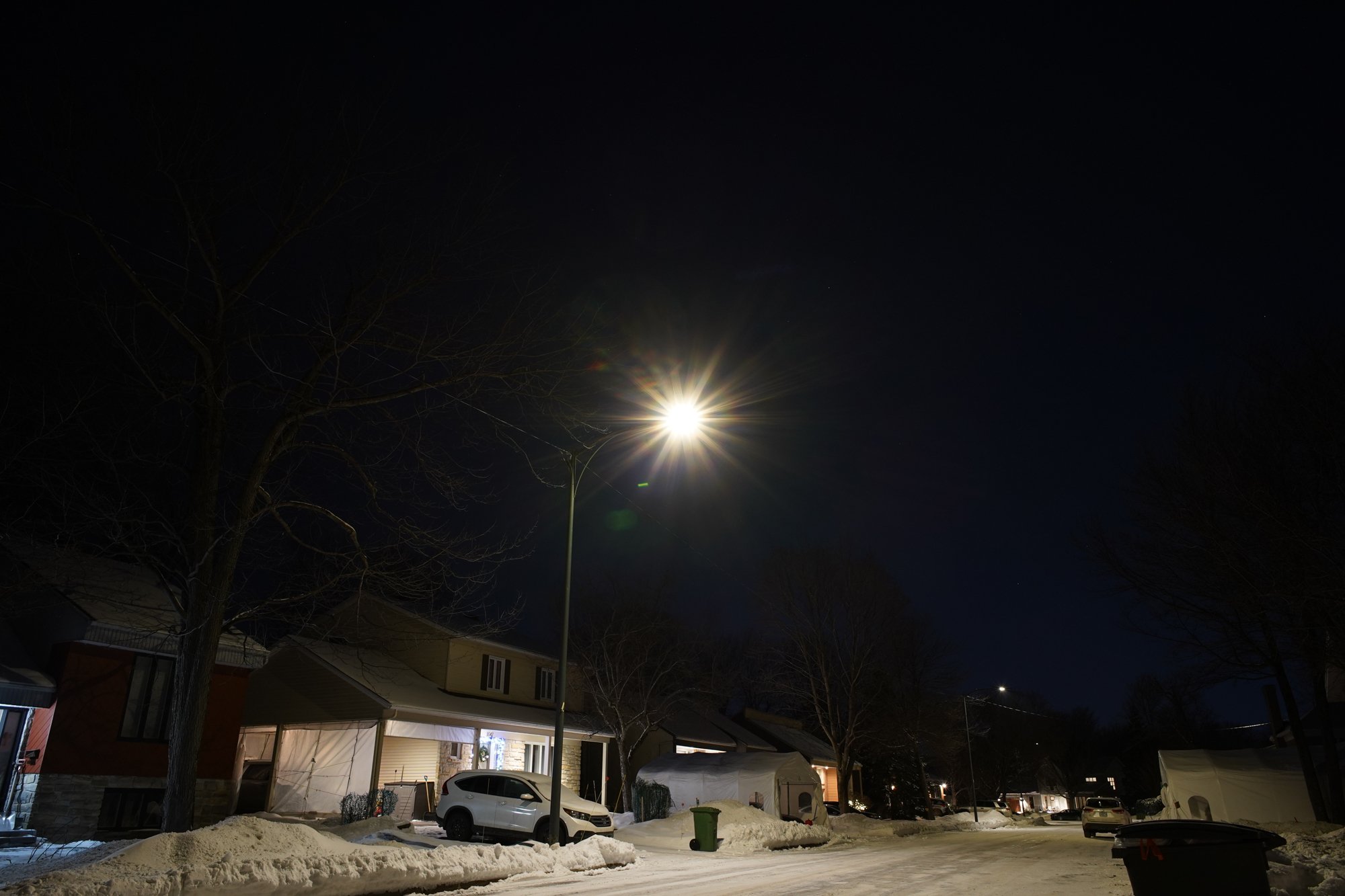
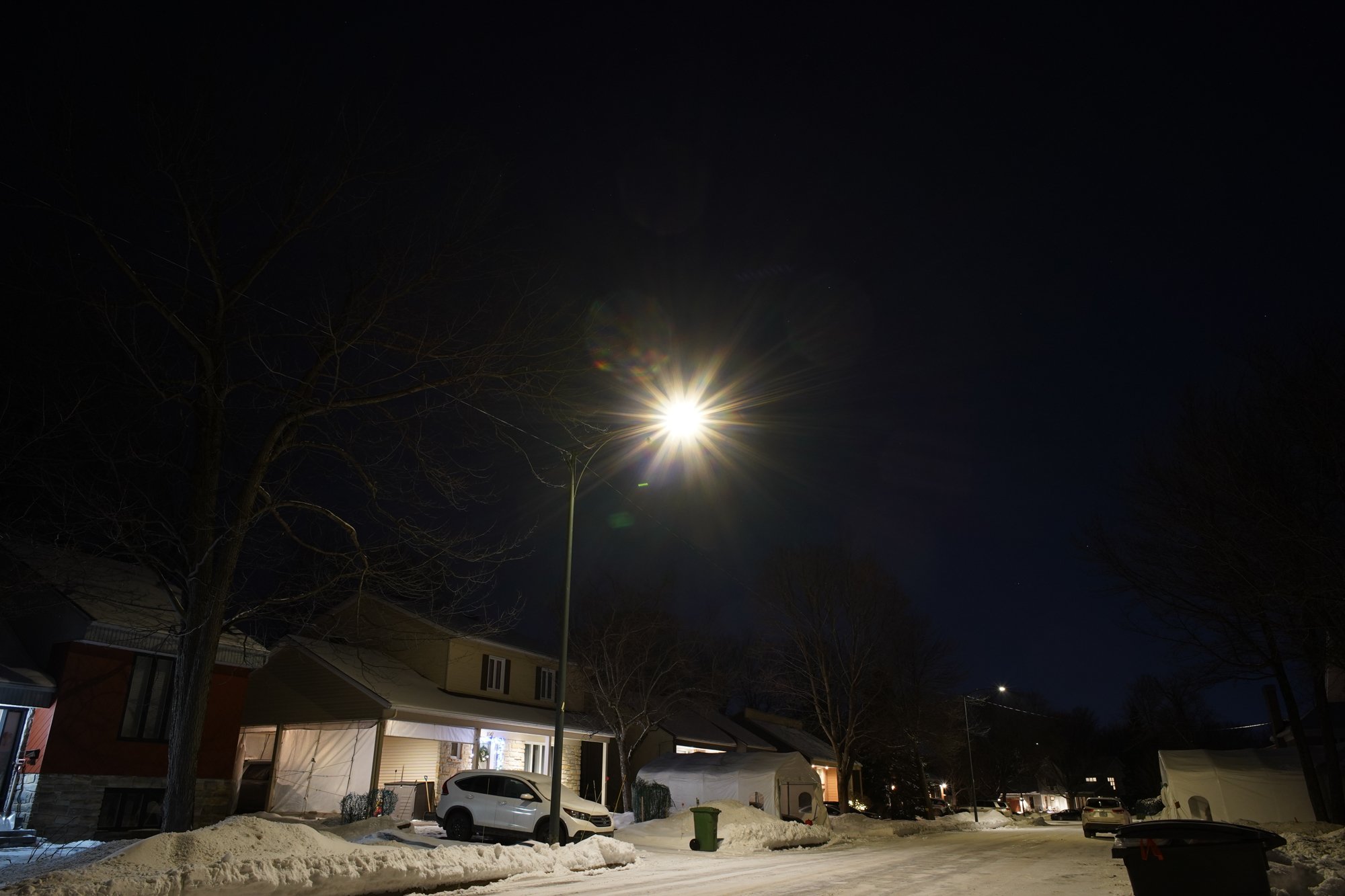
Starbursts
Starbursts are unimpressive. They appear at medium apertures, but a divergent instead of tapered, and rather fuzzy. Nothing special here.
Metering and Exposure
During our tests, exposure was generally consistent and reliable. In fact, the Batis 25mm proved particularly dependable.
Sharpness
Sharpness, or a lens’s ability to resolve small details, is far from the only important characteristic of a lens, but it is probably the one which many users look at first. Soft images distract the viewer and the sharpest point in an image draws the eye.
There are several ways to measure resolution. Some are quantitative, such as the number of lines per millimeter that can be resolved, while others are comparative, such as using a standardized scene to pit lenses against one another. We will use the latter, and supplement it with real-life examples below.
To evaluate sharpness, we use a standard test chart that can be used to compare lenses to one another. We place the camera and lenses at a distance of 100x the focal length, so that the chart occupies the same area on all test images. This results in a distance of 2.5 m in the present case. The chart is positioned successively in the center, on the edge and corner off the frame, testing all apertures each time. Focus is repeated for each position to avoid field curvature contributions.
This test will not show how good a lens can be. Quite the contrary, it is a stress test to illustrate the limits of a lens’s capabilities.
Resolution is of course sensor-relevant. For this test we use the A7C camera’s 24 MP sensor.
Test results at 25mm
The following images illustrate the results at all apertures at 25mm.
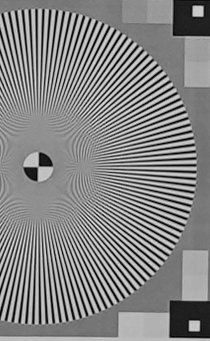

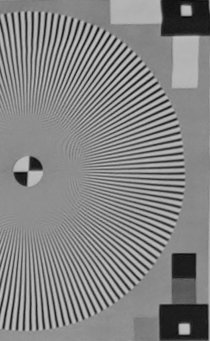
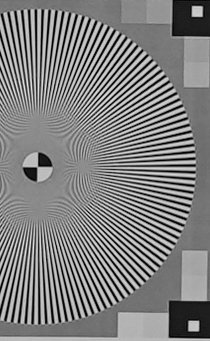


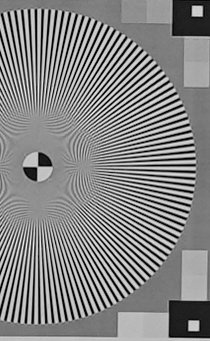


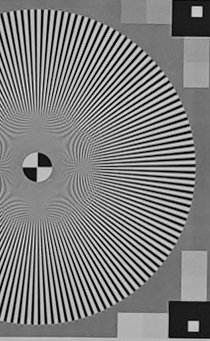


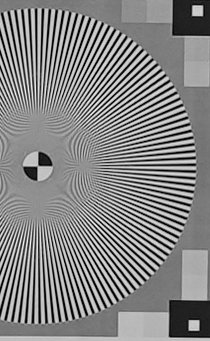


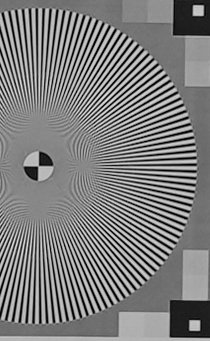


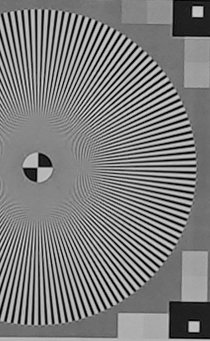
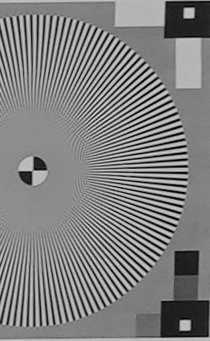

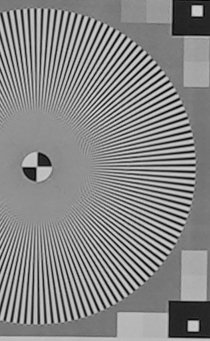
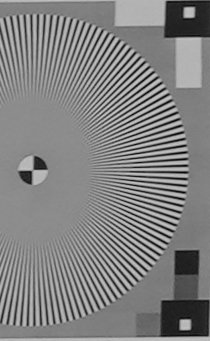

Sharpness results are among the best we have tested. Even at F2, center sharpness is class-leading, and improves even more (slightly) as the aperture closes. Peak performances are at F5.6-F8. F16 and F22 are visibly lower-resolution however.
Maybe even more impressive is edges and corners resolution. Between F5.6 and F11, uniformity is nearly perfect, giving edge-to-edge sharpness that’s both high and uniform. At F2, corners are much softer, and edges not as good as the center. This is not a problem per se, as wider apertures generally are used for subject isolation.
Summary
The Batis 25mm is a top performer for sharpness. Center resolution is high even wide open, edges are only moderately softer and corners a bit more so. By F5.6, uniformity is excellent and the lens is tack-sharp across the whole frame.
Vignetting
Vignetting, or the darkening of corners at wider apertures, is both a defect and a feature, as it can be used creatively to put emphasis on subjects closer to the center, create a mood or a vintage look. It can also be corrected automatically by modern cameras so is less of a problem than in the past. That is only true for lenses with electronic contacts, including the Batis 25mm.
The following chart illustrates the vignetting of the lens for full frame when left uncorrected.
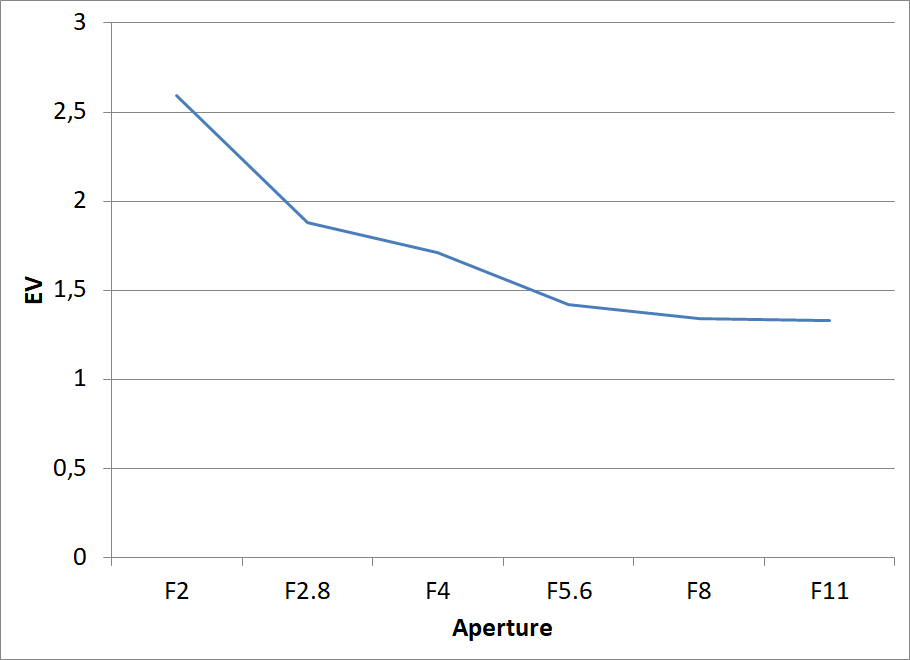
Vignetting with the Batis 25mm is a serious, and rather unexpected, letdown. Wide open, it is over 2.5 stops, easily noticeable even in complex scenes. That could be understandable of an F2 lens, but vignetting remains dramatically high, at around 1.4 EV, even with apertures as small as F11. In fact, the amount of vignetting nearly stabilizes from F5.6 onward, showing almost no improvements at smaller apertures.
This means that, in all cases, vignetting will be noticeable if left uncorrected. Generally, vignetting is considered noticeable when above 1 EV.
We recommend activating automatic vignetting corrections with this lens, unless the effect is used creatively. It is clear that this is one area where the designers made compromises. We would have expected better from a Zeiss lens.
The images below show the lens’s vignetting at varying apertures.







Bokeh
Bokeh is a Japanese term describing the quality of the background blur. It does not relate to the depth of field but to the areas in the image that are beyond the range that is expected to be in focus.
Bokeh is highly subjective. In general, a smooth bokeh with blurred shapes and contours is generally perceived as being of a higher quality. A shallow depth of field does not always equate a more pleasing bokeh.
To evaluate the characteristics of the background blur, we took pictures at varying apertures, using a scene with a lot of detail and bright highlights. The following images show the results.
The Batis 25mm delivers great out-of-focus rendering. Our busy background is rendered smoothly, shapes are nicely blurred, transitions are gradual and there are no harsh edges even as the aperture reaches medium values. This is an area where the Batis 25mm does as well as we’d hope.
The images below are further examples of the lens’ rendering.





The image below, shot at F2, also shows how transitions appear with the Batis 25mm.

Flare and Ghosting
Flare is a decrease in contrast caused by reflections on internal lens elements. Ghosting is the appearance of orb-shaped artifacts in an image containing a light source, caused by the same internal reflections. High-quality coatings reduce the importance of flare and ghosting in an image.
We test flare and ghosting by taking pictures of a bright light source positioned at the center and on an edge of the frame, at varying apertures.
Test results at 25mm
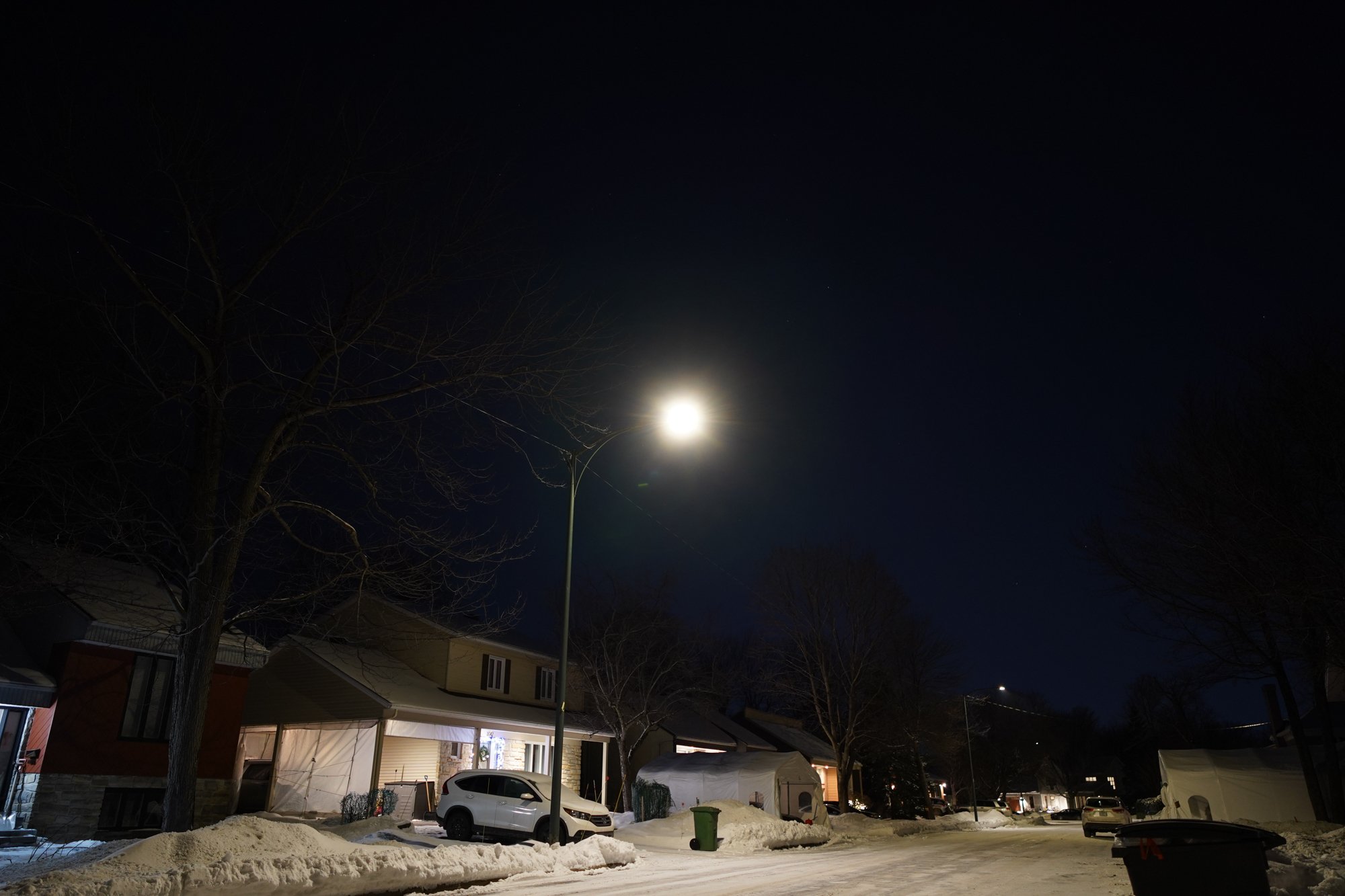
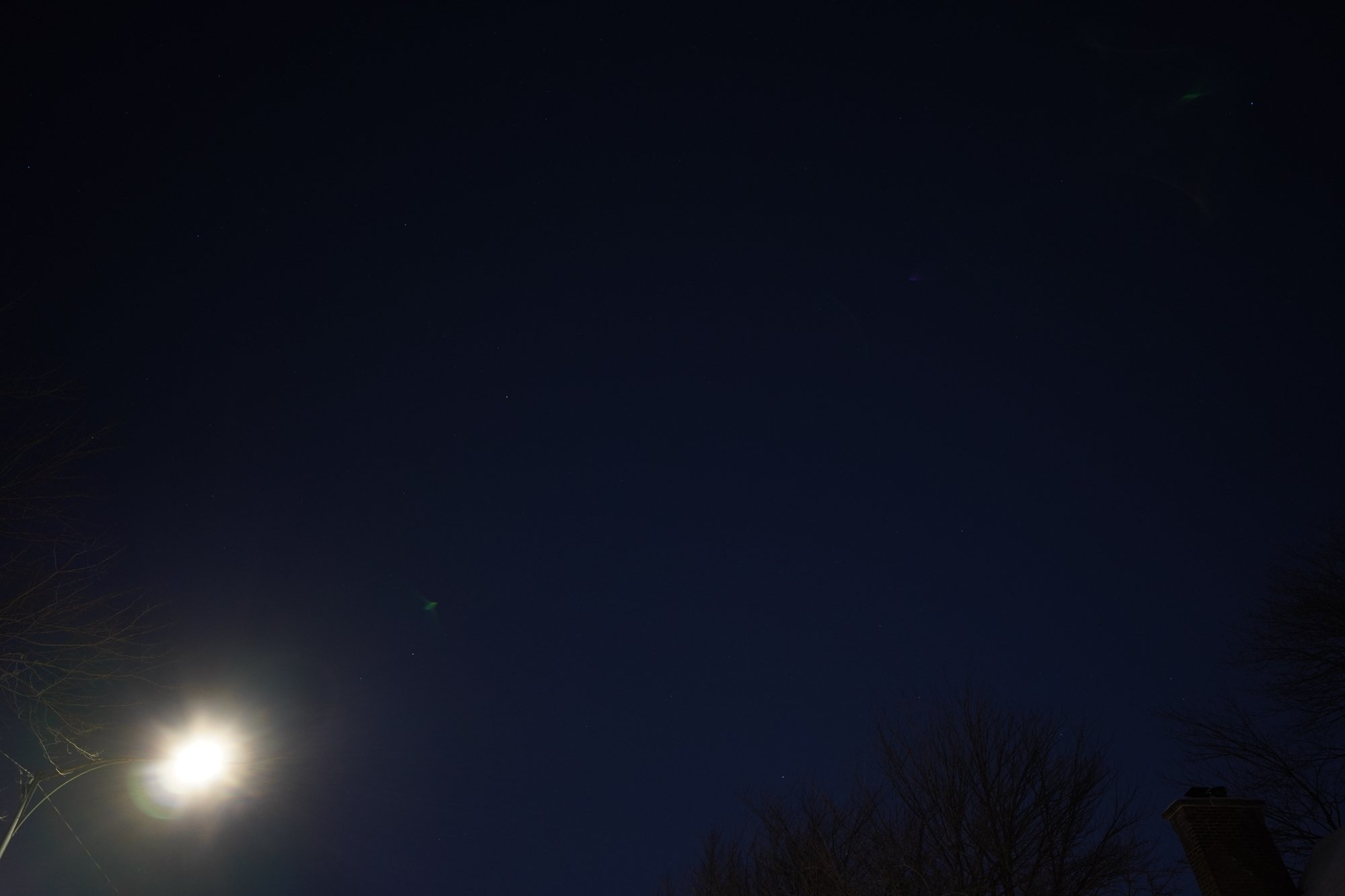
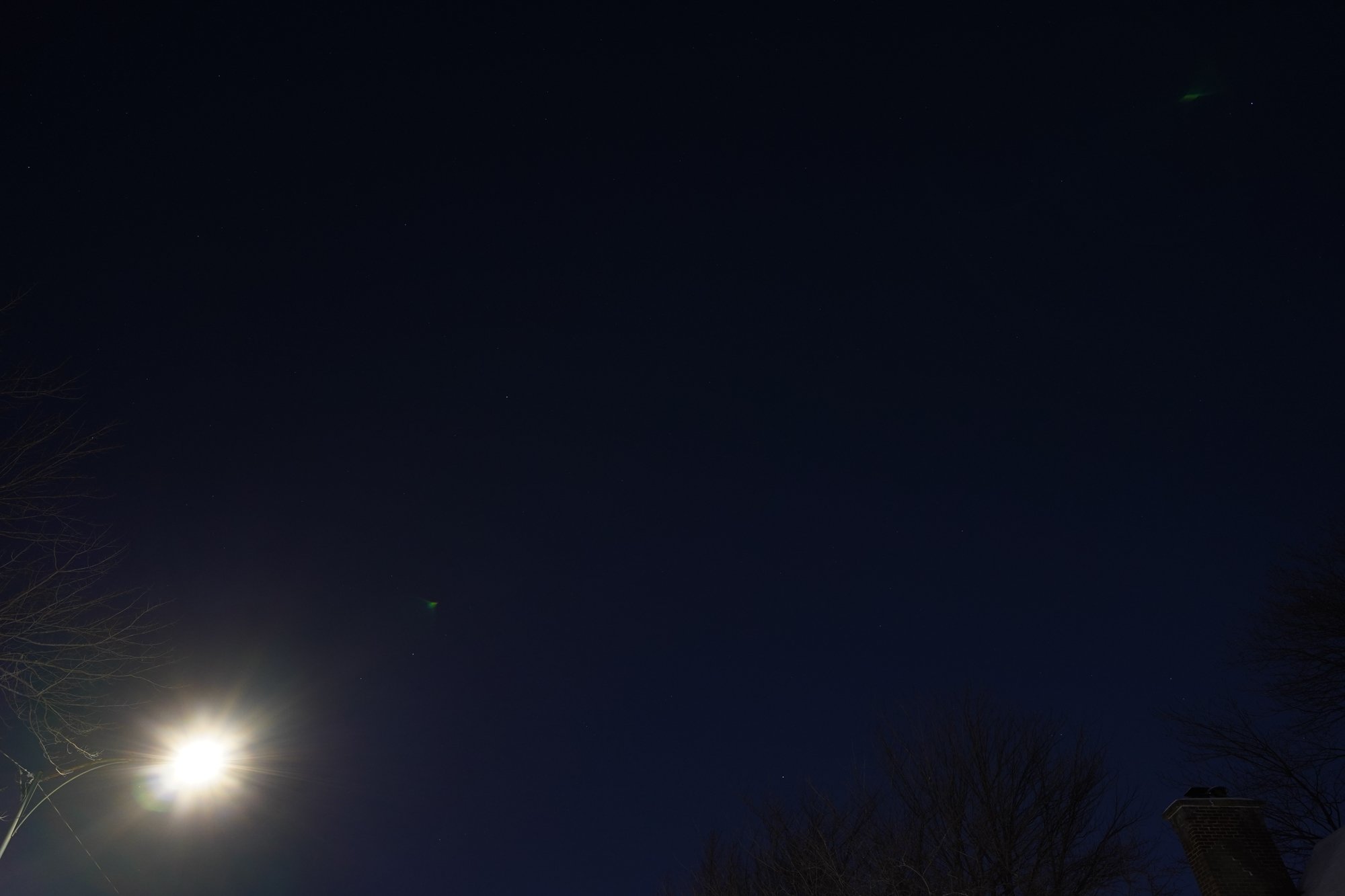
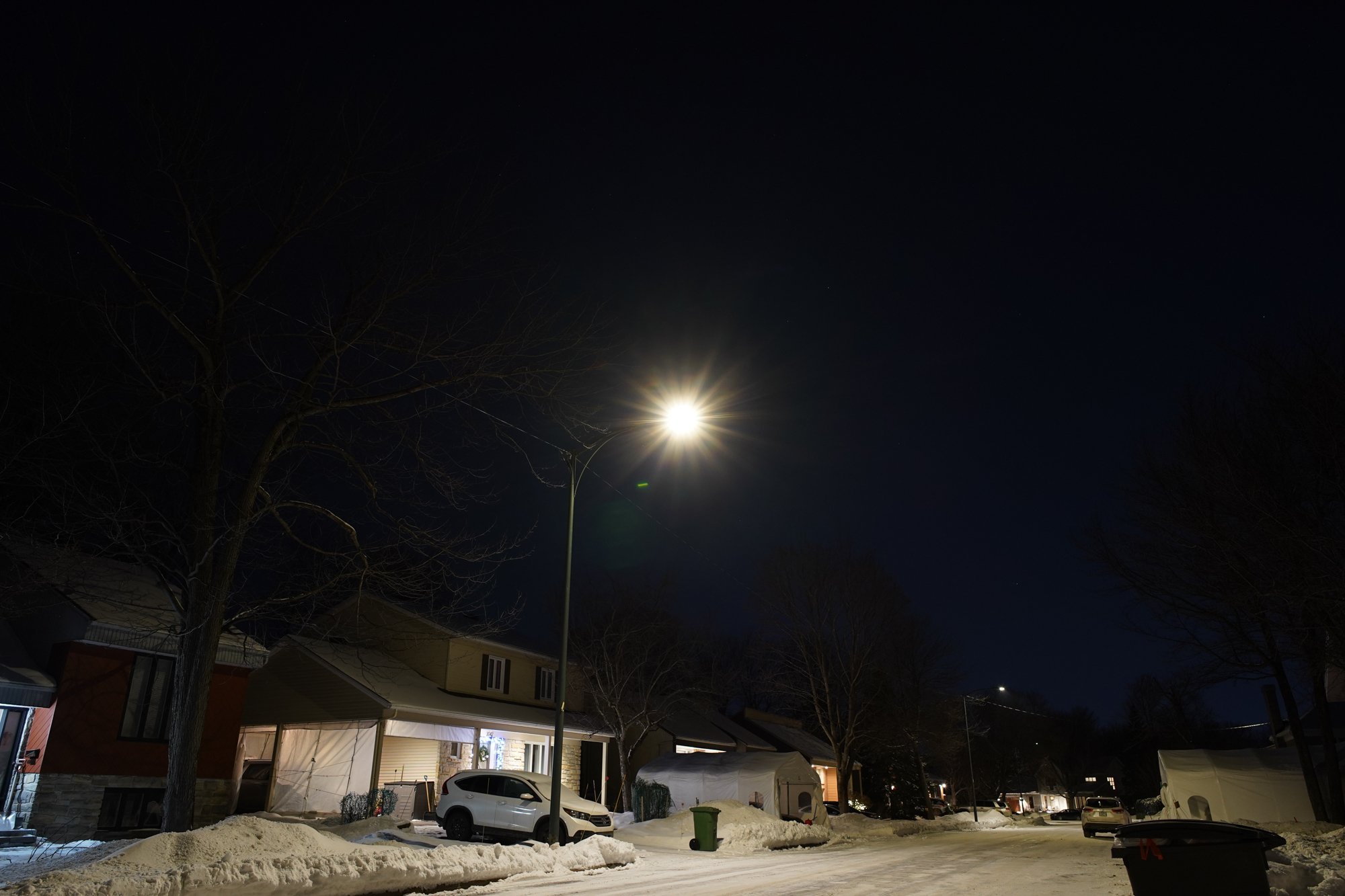
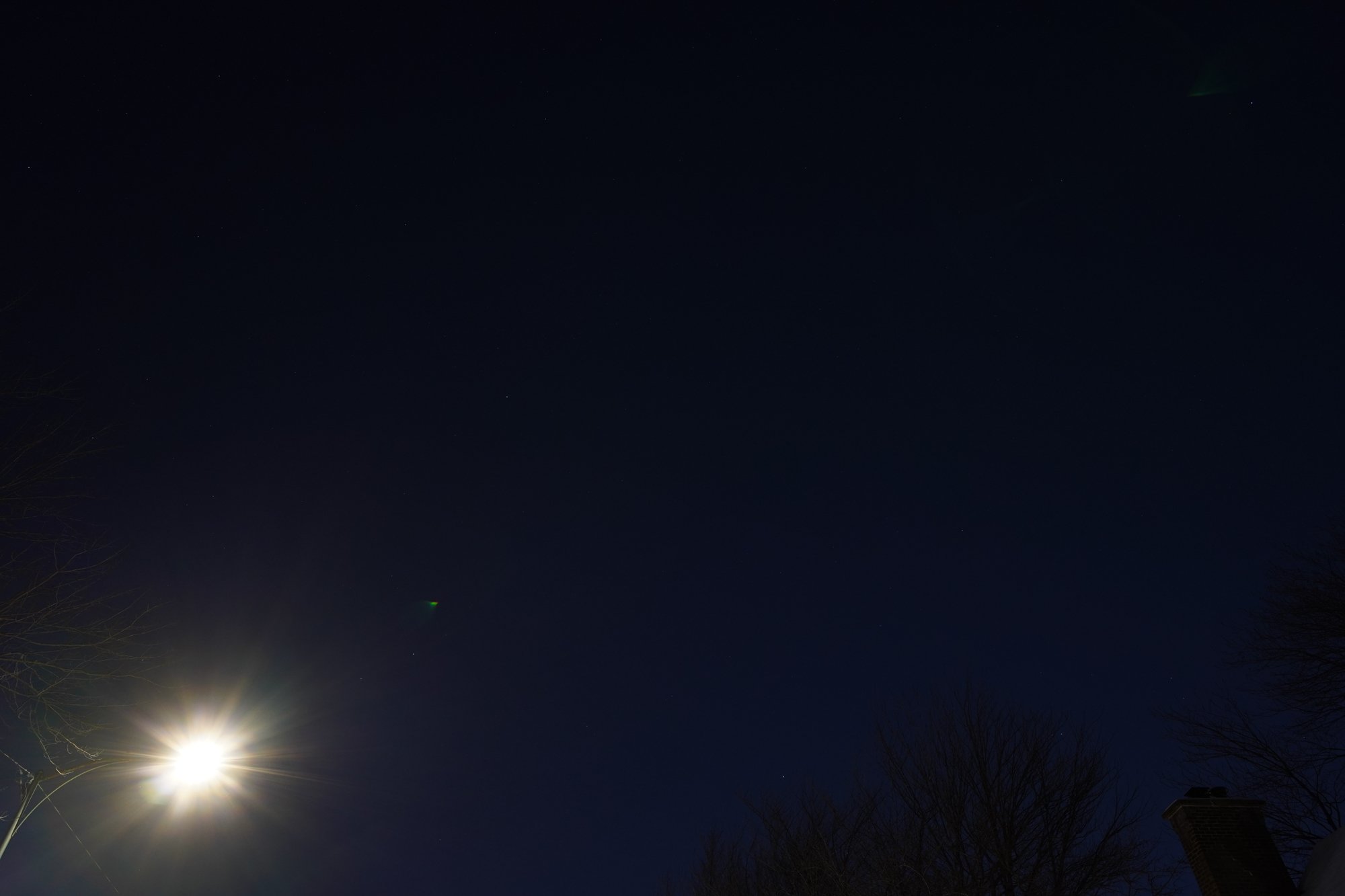
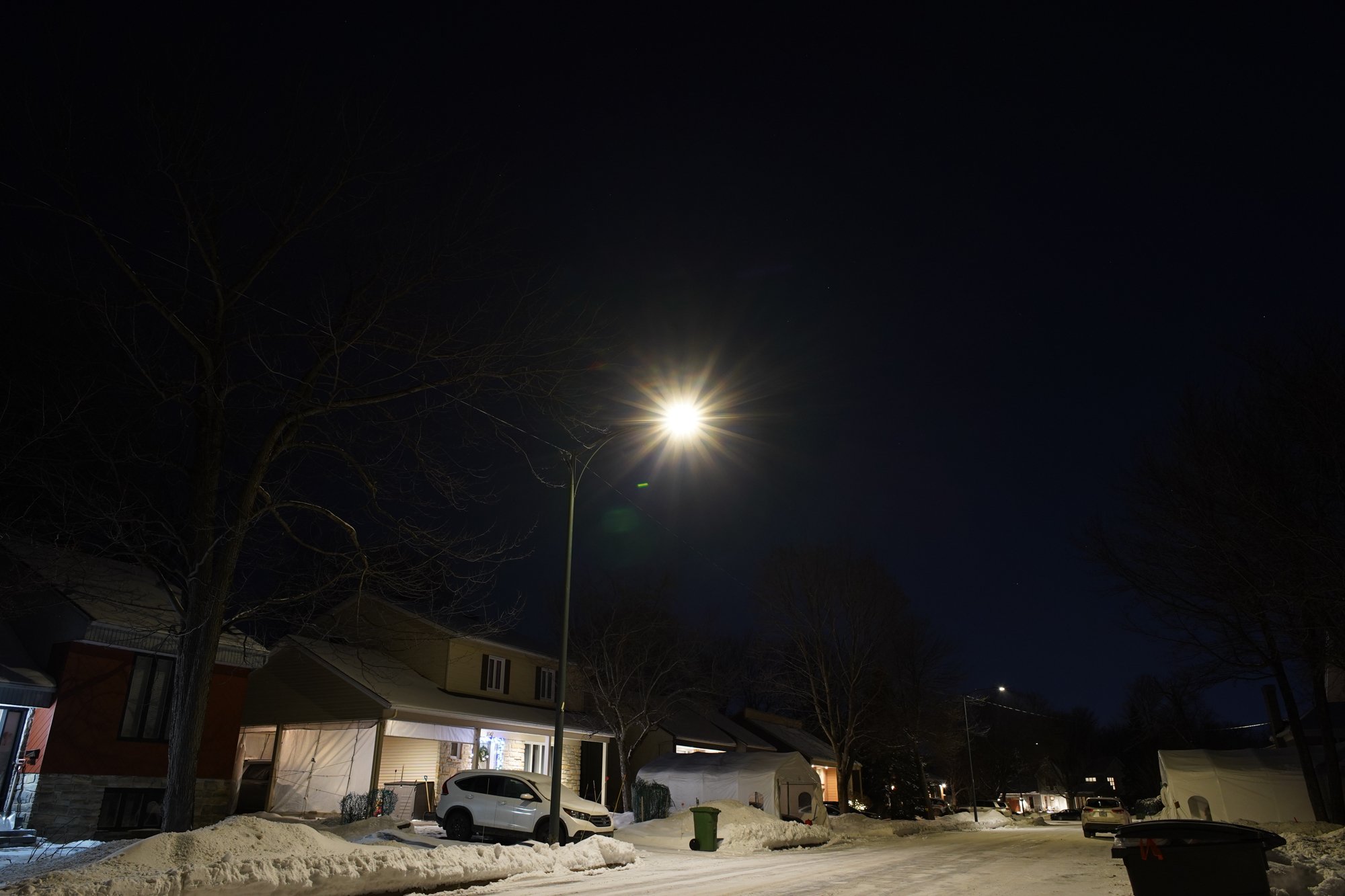
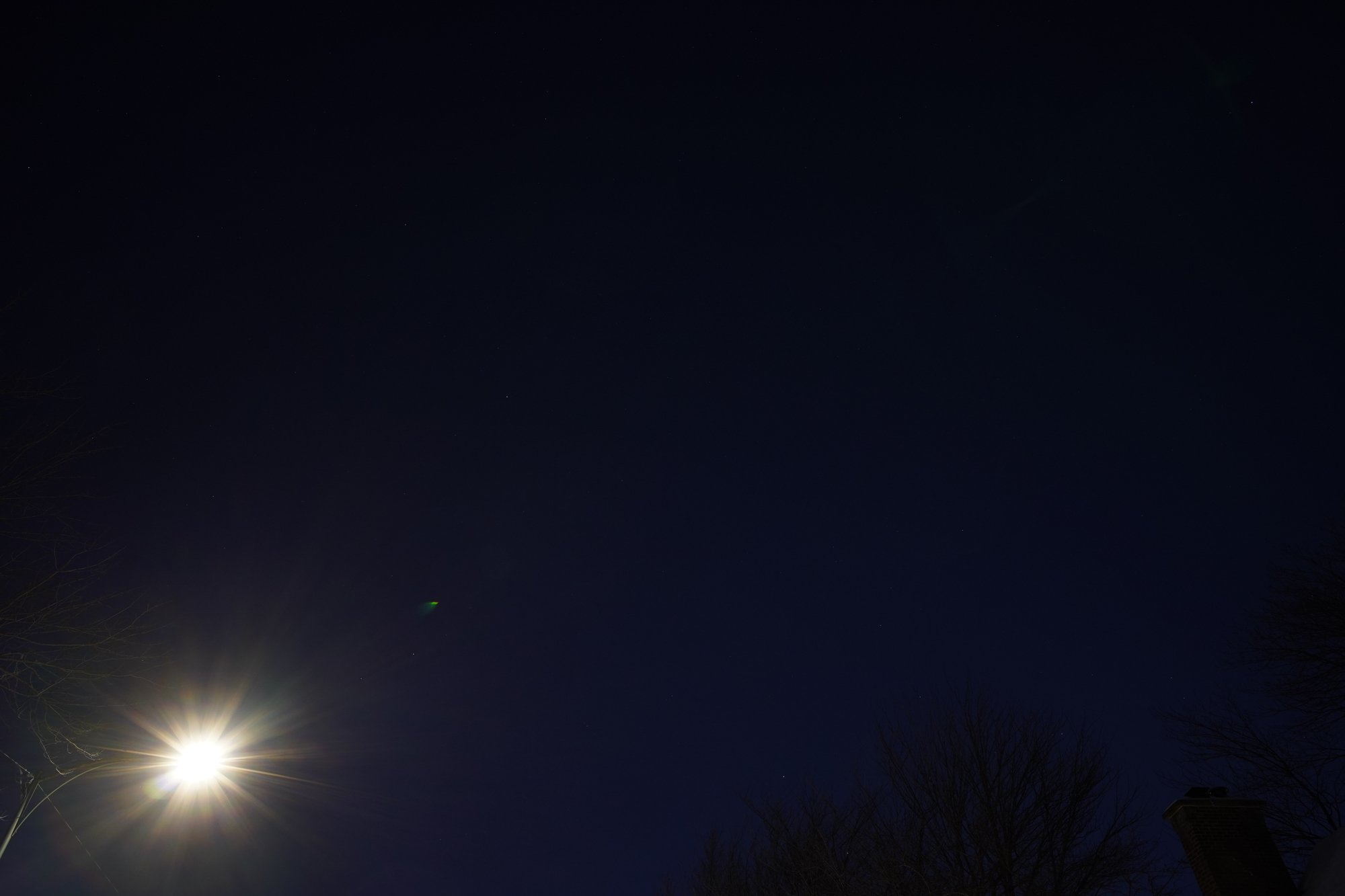
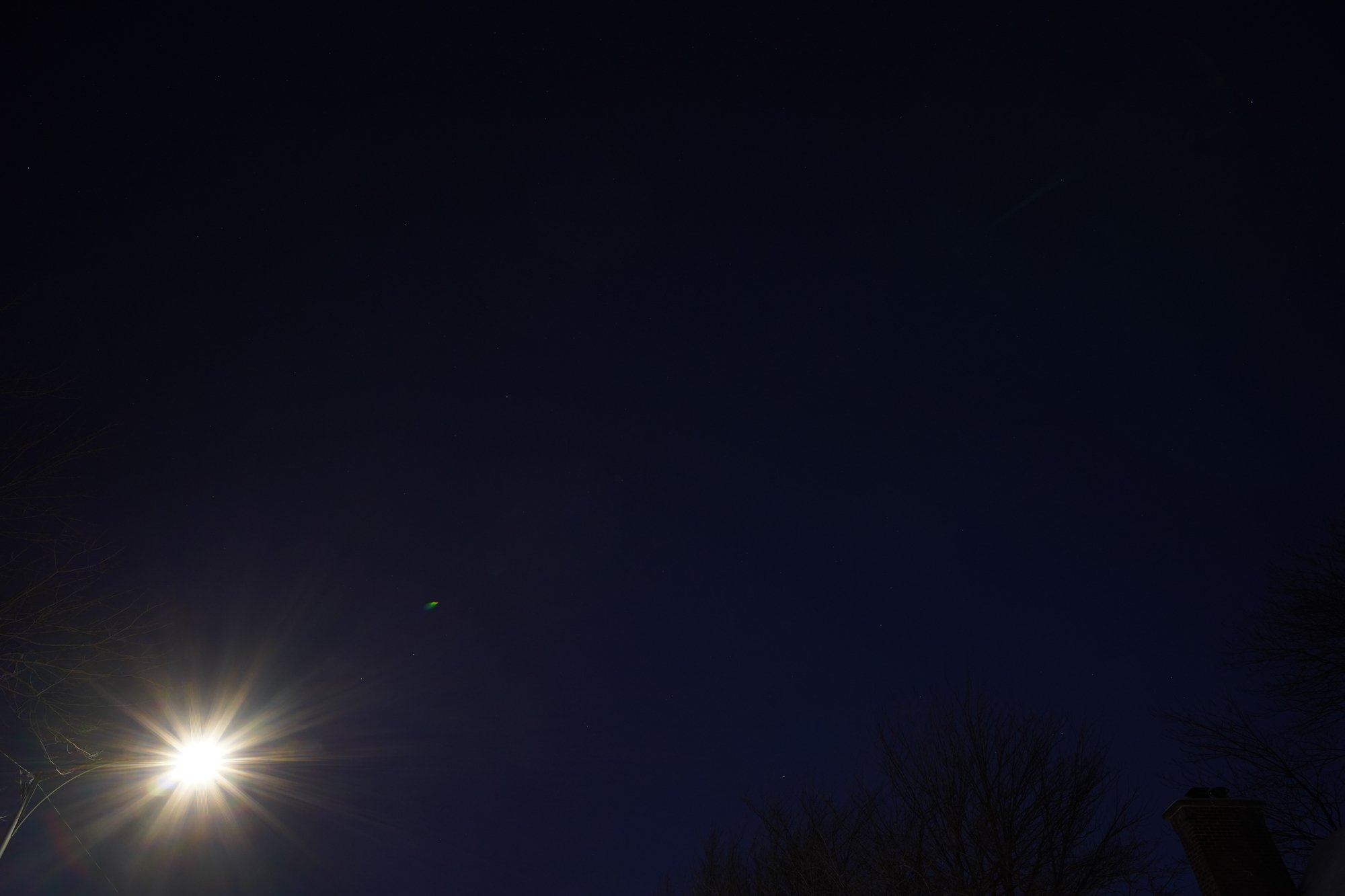
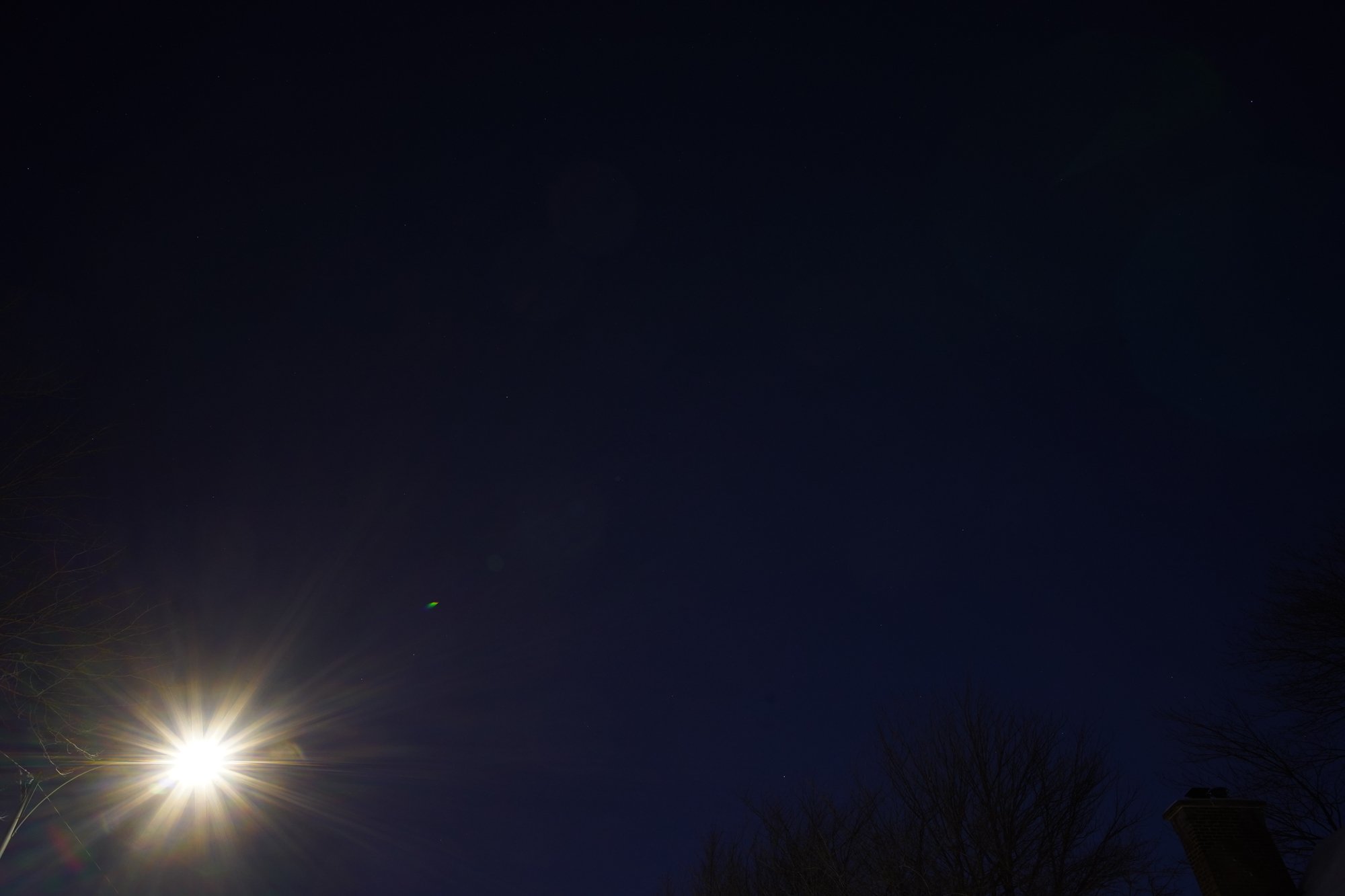
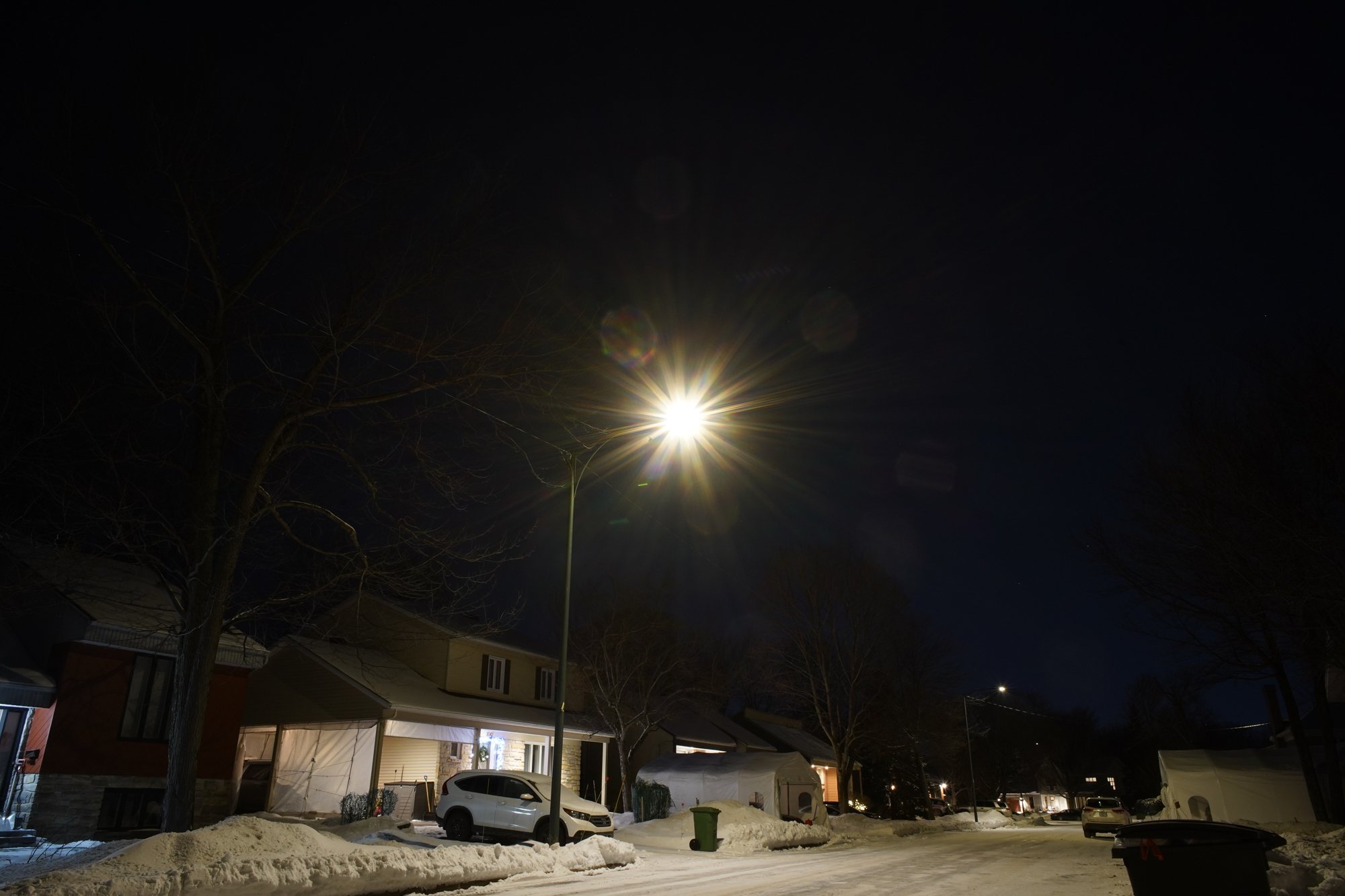
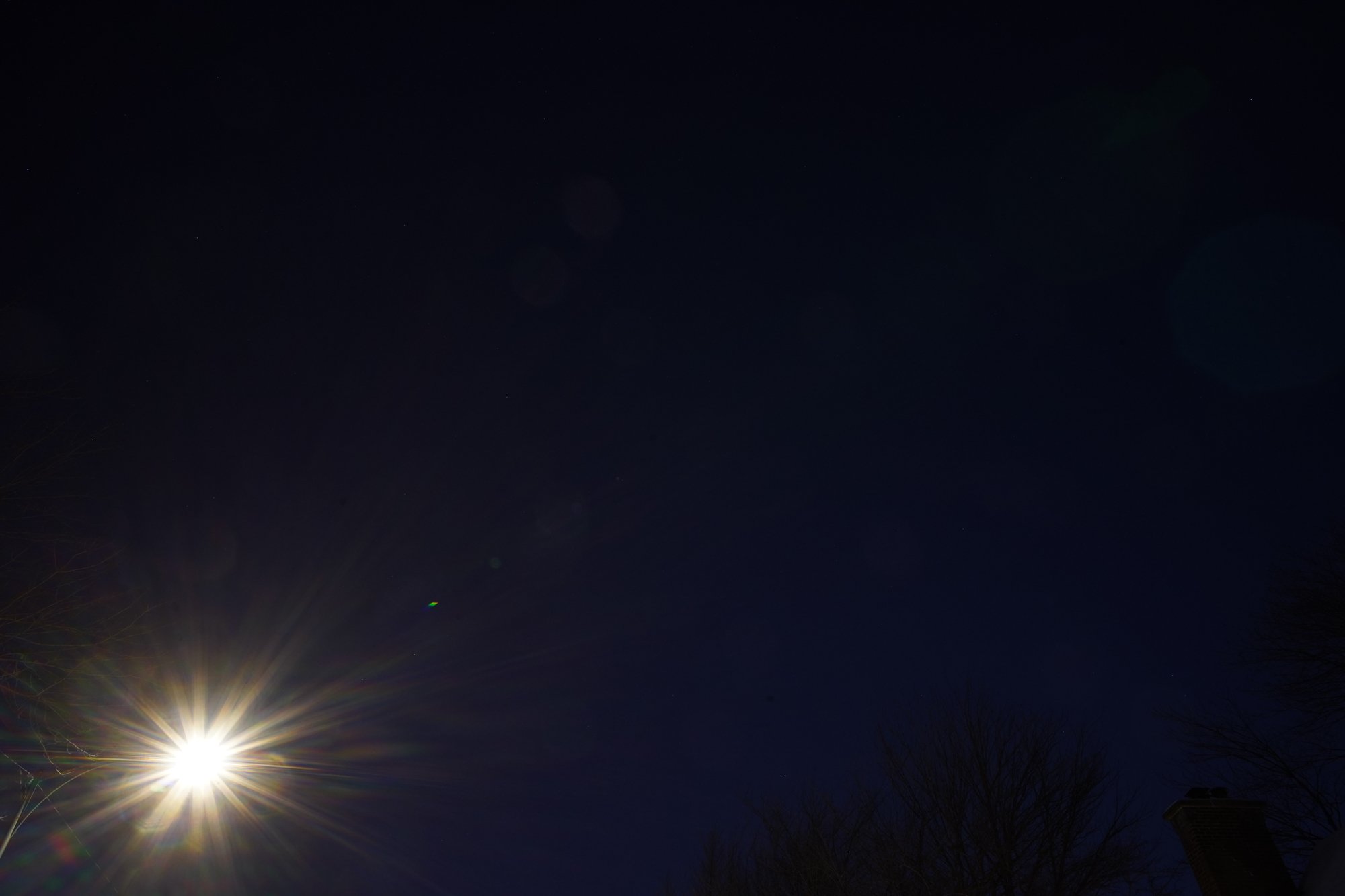
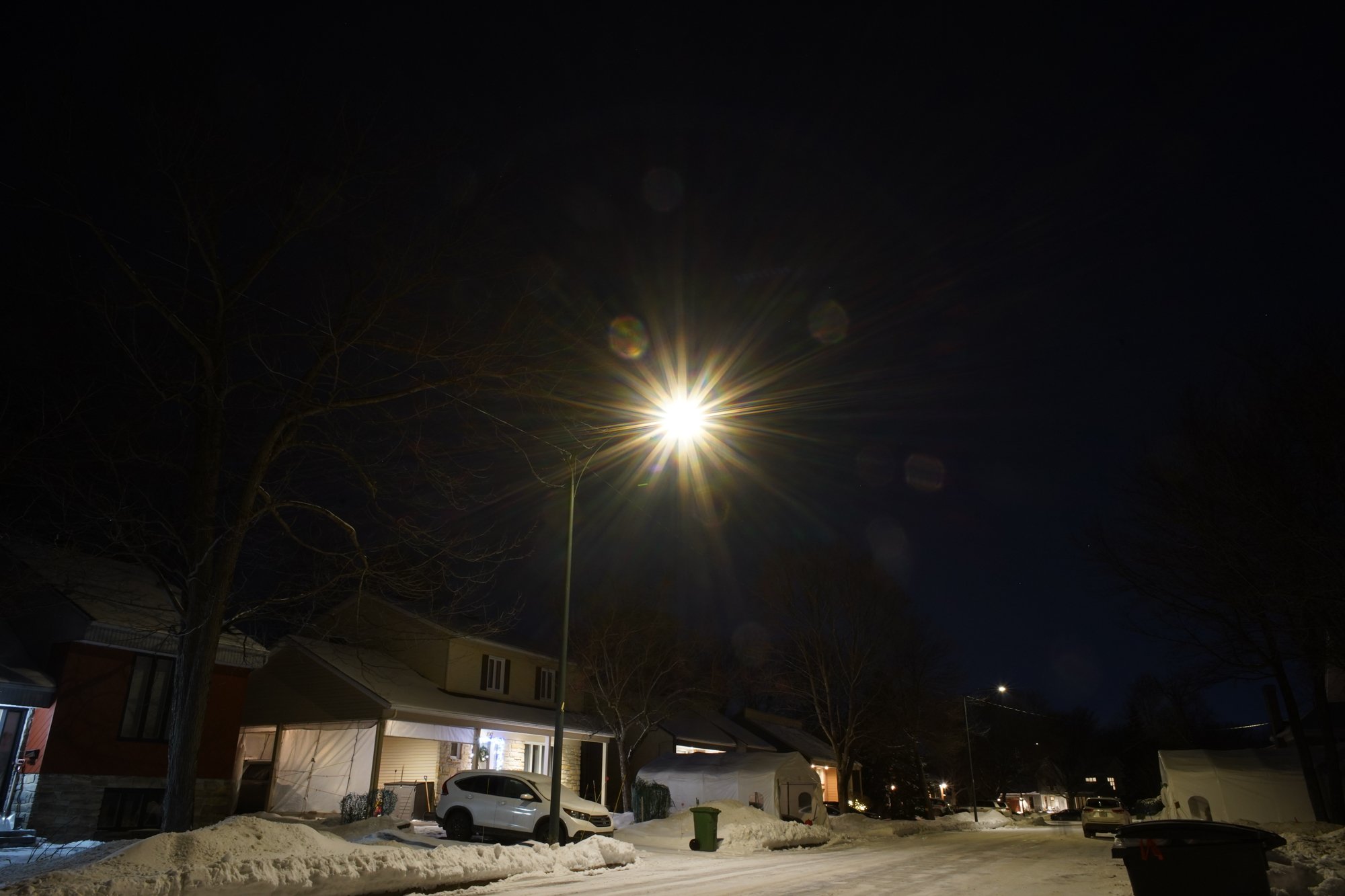
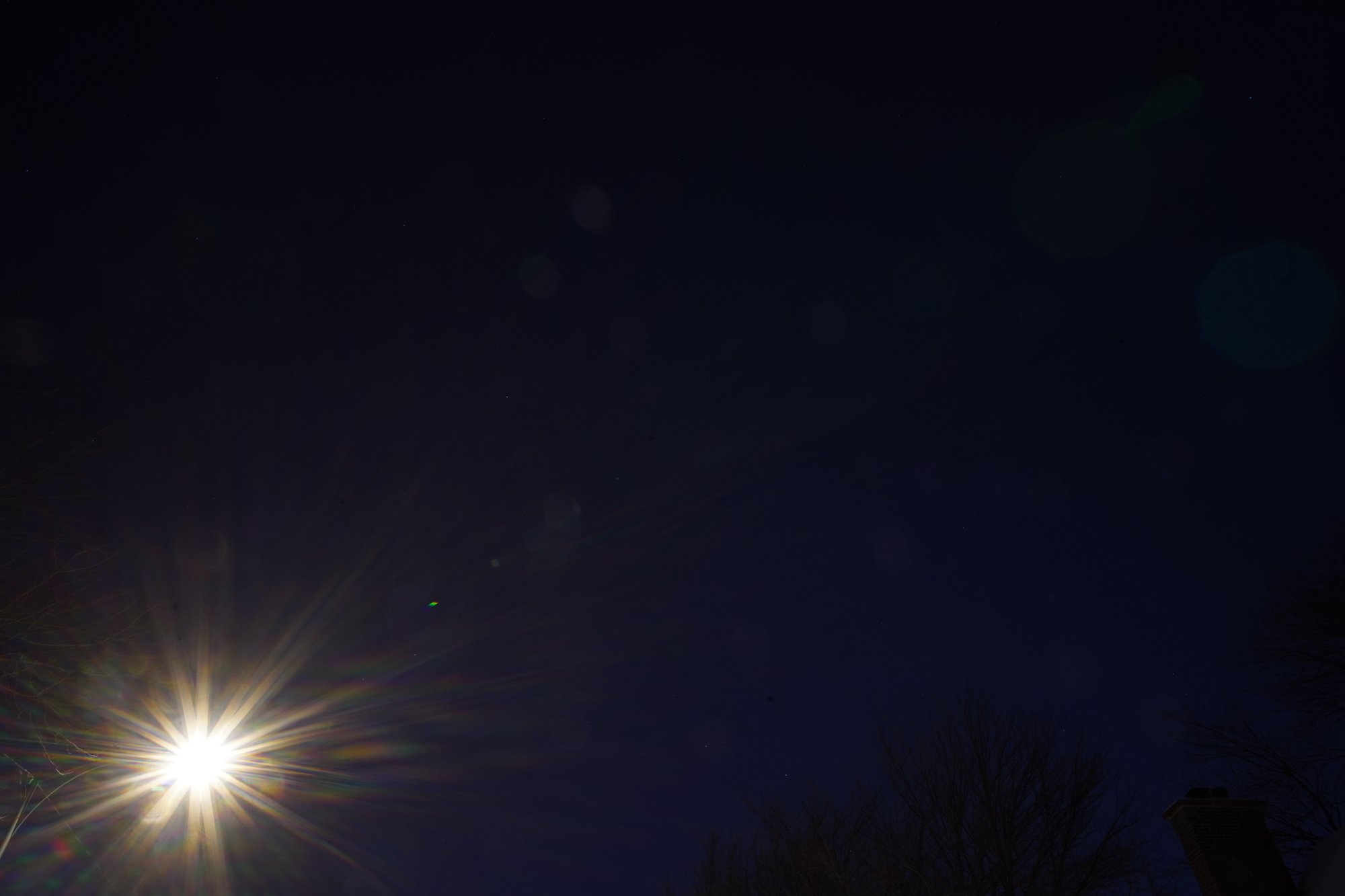
With the light in the center, the lens does better at wider apertures. A single ghost is visible below F5.6, and is not disturbing. Other ghosts appear from F5.6 onward, again not overly problematic but still present. F16 and F22 show an increase in the number of ghosts visible. Regardless of the aperture, there is no flare apparent in these images.
With corner illumination, results are almost astounding. Again there is a single ghost visible at all apertures, but essentially that’s it. No more ghosting occurs regardless of the aperture. This is a testament to the quality of Zeiss coatings. Some flare is however present around the light source, mostly at wider apertures, but the effect is localized and minimal. Superb results altogether.
Chromatic aberration
Chromatic aberration (CA) occurs because different colours do not always have the same focal point. With modern lenses designs, which are better corrected than vintage designs, this is more likely to occur in out-of-focus areas. CA effects are more visible near fast transitions from bright to dark areas.
Most modern cameras have built-in tools to remove CA. Digital manipulations can have an impact on other aspects of an image, thus it is useful to know how a lens performs when those automatic corrections are disabled.
Our test sets up the camera at 45° and focuses on the center of the frame, with targets at the center, top and bottom. Images are captured at varying apertures at 25mm.
























In the central, in-focus region of the frame, there is no chromatic aberration to see at all. This is to be expected. In the top area, CA shows as a green edge and can be (barely) noticed until F5.6. In the bottom part of the frame, CA is not manifest except at F2 and F2.8, where it is barely visible.
Purple fringing
There were no occurrences of purple fringing in our tests with the Batis 25mm.
Distortion
Distortion refers to a lens’s ability to represent straight lines as straight lines… Wide angle lenses frequently generate barrel distortion, while longer focal lengths are more likely to cause pincushion distortion.
The Batis 25mm is a wide angle lens, but also a prime. As such, we expect some effort to be put towards controlling the amount of distortion.
We use a standard test pattern of straight lines and test at varying focal lengths.
The images below show the uncorrected and corrected distortion figures at various focal lengths.
25mm


The Batis 25mm shows 1.1% of pincushion distortion. Not overly dramatic, and unlikely to be visible except when straight lines travel near the edges of the frame, this result within expectations for a wide angle lens but it is surprising that the lens shows pincushion instead of barrel distortion, more common for wide lenses.
These results mean that built-in corrections should be used whenever possible.
Sample images
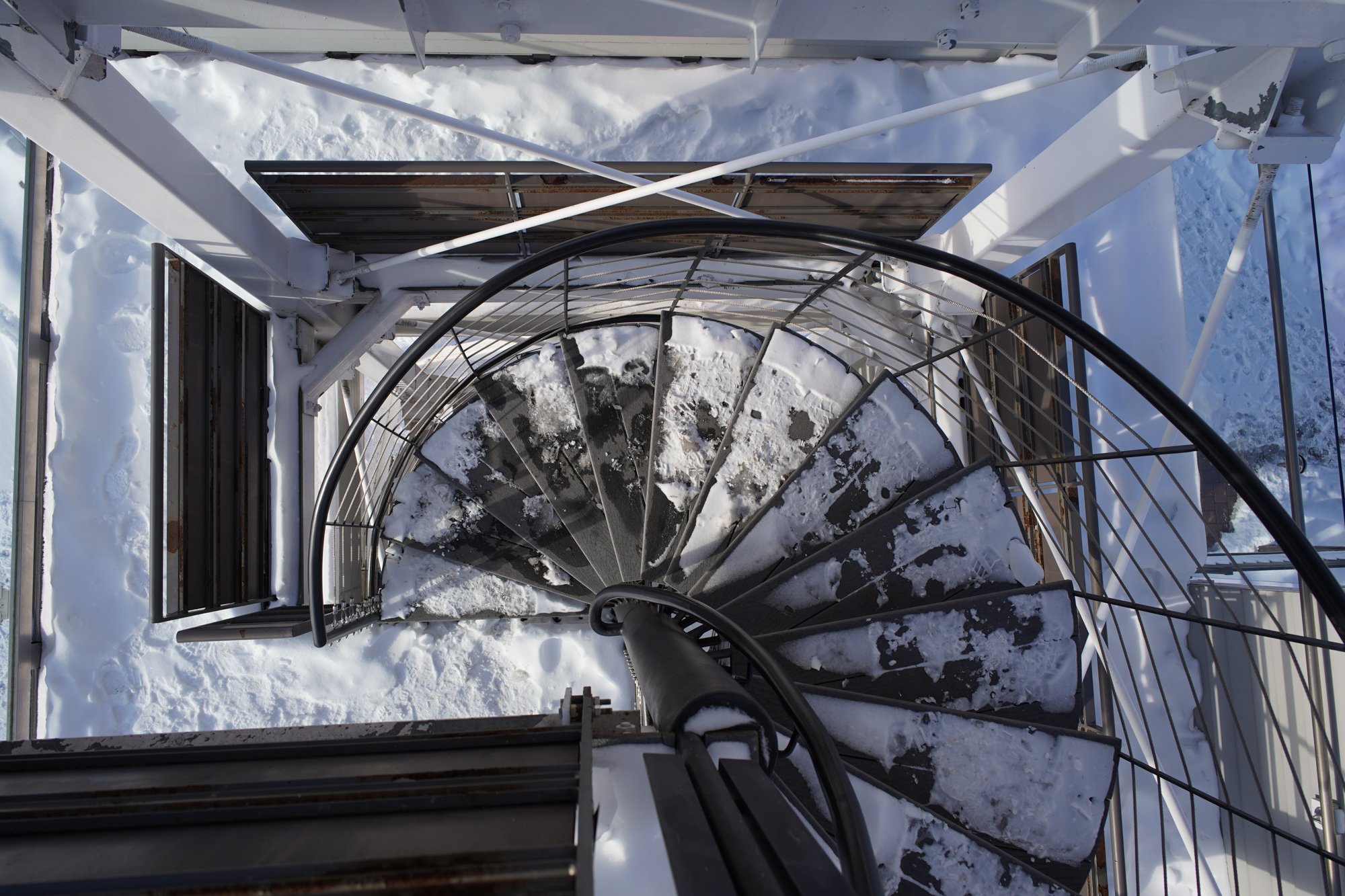
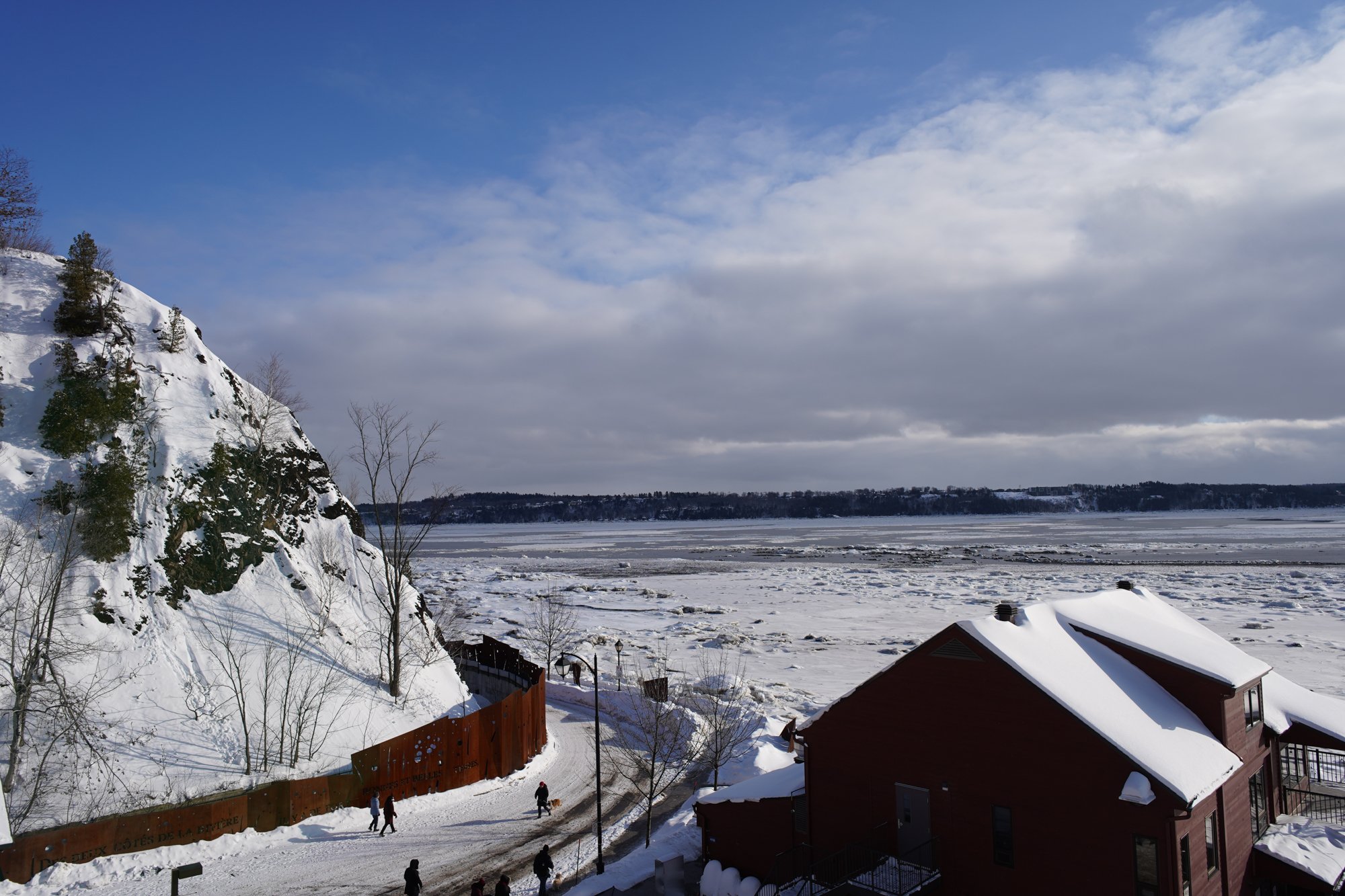
Here is a gallery of samples images captured with the Batis 25mm. You can click on individual images for a larger view.























Conclusion
Zeiss is a name synonym with high-quality lenses. There is an expectation of excellence, both for pure optical qualities, and even more so for rendering and the ability to create pleasing images. The Zeiss Batis 25mm F2 is a lens coming from the early days of the FE-mount. In 2023, it immediately brings the question of how well it has aged.
Build quality is superb while remaining minimalist. The body is smooth and appears almost featureless. The focus ring, nicely rubberized, is one of the only features. The only color accents are the blue Zeiss logo and the small blue alignment dot. The most interesting element is certainly the OLED display behind a small window. It is extremely useful, displaying information such as calculated DOF and a precise measure of the current focus distance. This information could, in theory, be displayed by the camera, but having the lens calculate values and display the result minimizes the risks of errors. Another pleasing aesthetic element is the lens hood, whose shape marries perfectly with that of the body. It appears to be an integral part of the lens, and the plastic finish looks like that of the metal barrel. A success.
Optical performances are mostly living up to our expectations. In particular, overall sharpness is a strong aspect, even wide open. Center sharpness is astounding and uniformity is excellent at moderate apertures.
Distortion is present, reaching 1.1%. Not dramatic by any means.
Chromatic aberration is present but subtle. In most cases it will be hard to spot, but auto corrections should be applied in challenging situations.
Bokeh and out-of-focus rendering are generally pleasing. In particular, the smoothness of the background blur at wide-to-medium apertures helps to isolate the main subject from its background.
Flare and ghosting are good with the light in the center, with some occurrences of ghosting as the only culprits. With the light in the corner. there is an almost-complete absence of ghosting, something rare and commendable. Minimal flare can be seen around the light source.
Starbursts are nothing special: rays appear only at smaller apertures and tend to diverge instead of tapering.
Vignetting is one of the weakest points of this lens. Regardless of the aperture, it will be present and visible, but reaches 2.5 stops at F2. This is below expectations.
Focusing is certainly a strong point : the lens can compete with the best, both for tracking and for pure AF speed. This is among the fastest lenses we have tested.
When it was launched, the Batis 25mm F2 Distagon T* was the main high-quality wide lens on the FE mount. In 2023, the landscape has changed. There are around 30 general purpose options between 20-28mm currently available on FE-mount. Many of these options are priced below $300, so the Batis, with a street price oscillating between $1079 and $1349, needs some solid arguments to compete.
With its weather resistant, beautiful metal body, the Batis 25mm is both rugged and a thing of beauty. Its OLED display is unique and a true improvement on typical distance scales. Its AF speed and optical performances put it at the top of the class.
There is always the matter of diminishing returns with expensive products? Is the Batis worth its price tag? Well, some of the cheaper alternatives are very good in their own right. Is the Batis better than most? Yes, certainly.
Pros
- Light, solid and weather resistant
- Common 67mm filter size
- Beautiful body with elegant touches
- Stellar sharpness and uniformity at all apertures
- Little CA, no PF
- Reliable and fast AF tracking, extremely fast static AF
- Excellent control of flare
- Unique and useful OLED screen
- Smooth bokeh even with busy scenes
- Subtle but rich color rendering
Cons
- No AF/MF switch, relies on camera menu
- Vignetting is rather extreme
- Some distortion
- High price tag
Before You Go
Do you already own this lens? Are you curious about it? If you do, we’d love to hear your thoughts in the comments below.


Leave a Reply