
In this review, we take a look at the Mitakon 50mm F0.95 III Speedmaster lens for Sony FE-mount.
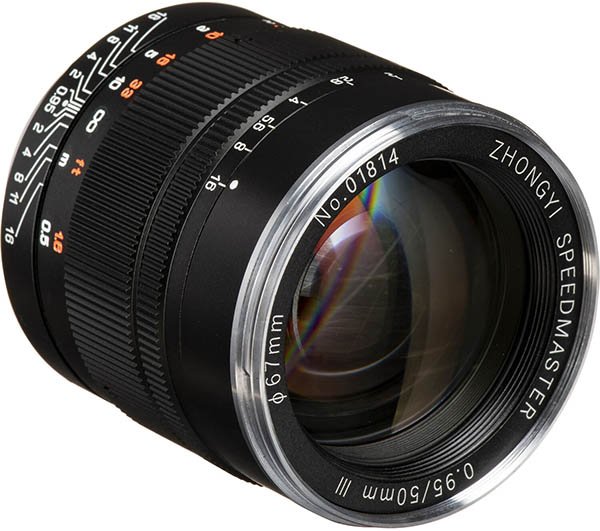
Thanks to the open nature of Sony’s E-mount, there is no shortage of third-party lenses available. Some are rather generic, and some push the envelope of what is possible to do with the mount. We have reviewed a few such lenses in the past.
One manufacturer, Mitakon Zhongyi, produces manual lenses with unique characteristics. Their 50mm F0.95 Speedmaster, now in its third iteration, is tied as the fastest aperture full frame lens for the E-mount. This fully mechanical, metal-bodied lens offers almost 3.4 stops more than an F2.8 zoom! This leads to better low-light capabilities and more fine control over depth of field.
In this in-depth review, we take a look at all the technical and artistic parameters which help to define a lens. Read on to find out everything there is to know about the Mitakon 50mm F0.95 Speedmaster III lens!
Table of Contents[Hide][Show]
Specifications
| Lens Name | Mitakon Speedmaster 50mm F0.95 III |
| Optical formula | 10 elements in 7 groups |
| Image circle | Full frame |
| Field of view diagonal | FF: 46.8° APS-C: 31.4° |
| Aperture range | F0.95/F16 |
| Aperture blades | 11, straight |
| Aperture ring | Yes |
| Max magnification | 0.1X |
| Minimum focus distance | 0.5m |
| Internal focus | No |
| Filter thread diameter | 67mm |
| Lens cap | Plastic, clip-on |
| Lens hood | Removable petal-shaped |
| Diameter x Length | 73.3 x 83.5 mm (2.9 x 3.3 in) |
| Weight | 720 g (25.3 oz) |
| Price (US MSRP) | $799 |
Construction and Handling
In this section, we take a look at the physical characteristics of the Mitakon 50mm F0.95 III. Please note that, since the lens does not have a marker at the F11 aperture value, we did not test this particular aperture as is our habit.
Front Element
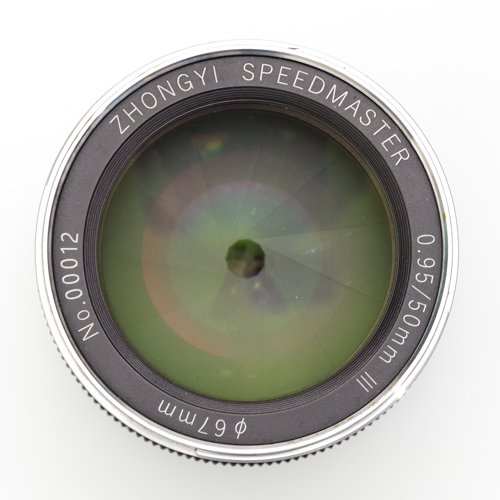
The front of the lens bears the branding, along with the lens’ characteristics, around the gigantic piece of front glass. The company uses the Zhongyi label instead of Mitakon.
The lens uses a 67mm filter thread. This is rather small for such a fast-aperture lens, and a welcome value since 67mm is fairly common on full frame E-mount lenses.
The lens cap is plastic.
Lens Body
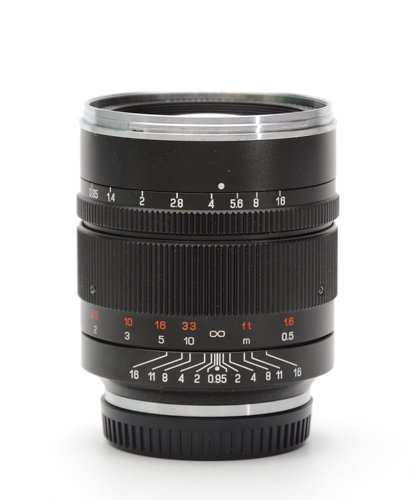
The lens has a moderate size, with a length of 83.5mm (3.3 inches). It is heavier than expected, at 720g (a full 1.58 pounds)! There is a lot of glass inside this lens. The body is compact, cylindrical with a few nice touches but a limited number of features. The lens feels robust and durable thanks to its metal barrel and mechanical operation. It gets longer at shorter focus distances.
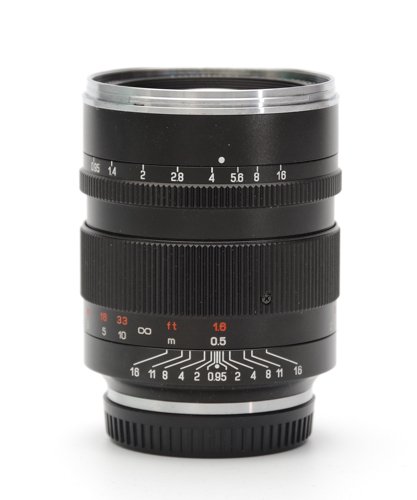
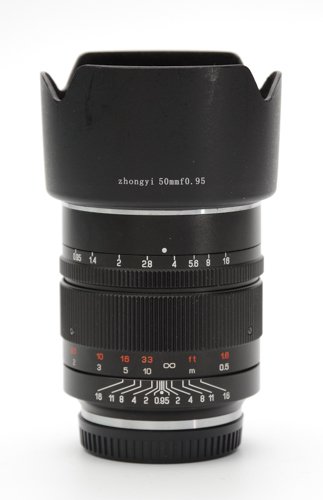
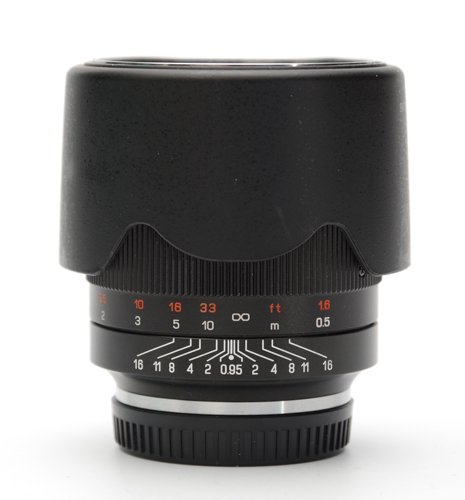
The bottom of the lens shows a depth of field scale. It has markings for 6 apertures (F0.95, F2, F4, F8, F11 and F16) and is thus actually useful. Strangely, however, the aperture ring does not bear an F11 marking, a weird inconsistency. Right above is the focus ring, which has white markings in meters and orange markings in feet. Immediately above is the aperture ring, much narrower but using the same ribbed texture. The aperture ring is clickless. Higher up is a section devoid of markings, until the very top of the lens where a silver ring decorates the lens and holds the lens hood.
Aperture
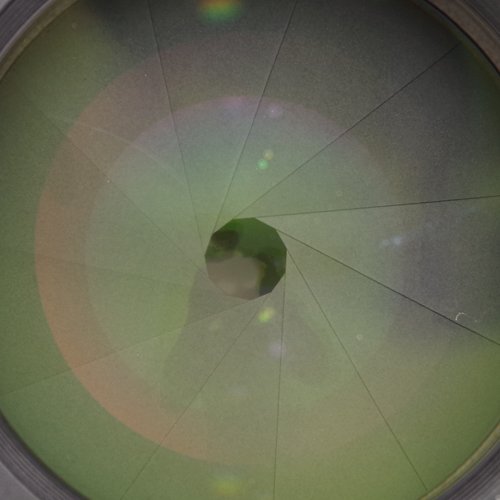
The Mitakon 50mm uses 11 straight aperture blades. Curved blades produce arguably smoother bokeh, all other things being equal, but straight blades help create more pleasing starbursts. With the high number of blades, the aperture approximates a circle in any case.
Lens Mount
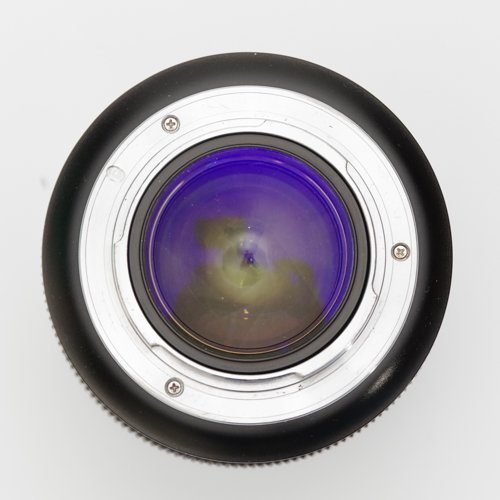
The lens mount is metal, and featureless. There are no contacts apart from the mechanical mount itself.
Lens hood
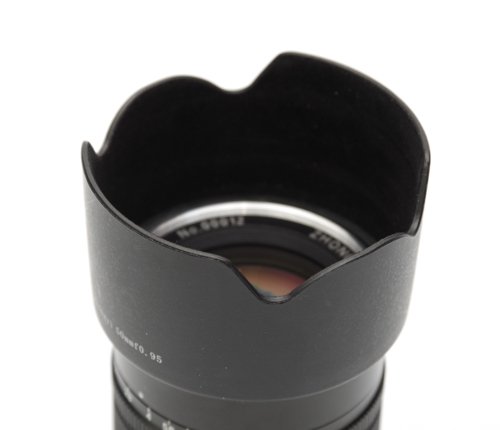
The lens ships with a plastic lens hood. It is mostly a cylinder, with the very tip being petal-shaped. It covers a large portion of the lens shaft when reversed and makes the lens all but inoperable.
Lens case
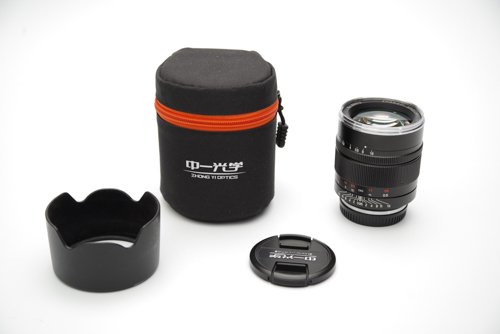
The lens is supplied with a nicely padded, Nylon zippered lens case with orange accents.
Mounted On Camera
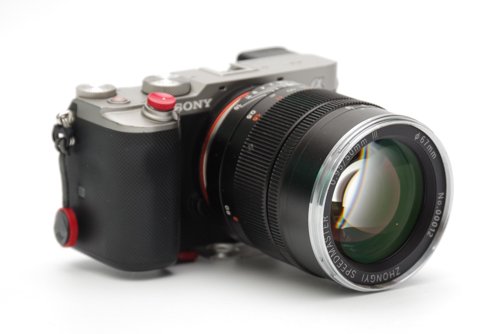
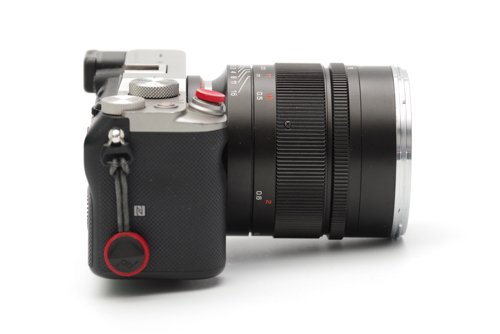
The Mitakon 50mm makes most mirrorless cameras front-heavy. Its size, however, is not bothersome and fits well even with smaller bodies.
Side by side
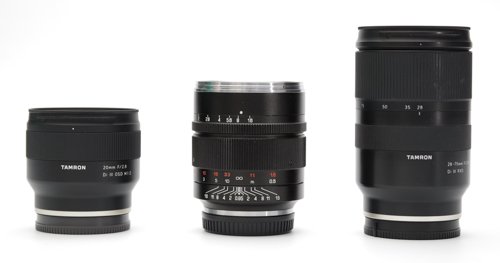
Here is the Mitakon 50mm next to the Tamron 20mm F2.8 and the Tamron 28-75mm F2.8. Its size is in-between both lenses, but it is narrower than either.
Focusing
The Mitakon 50mm is a purely manual lens, which of course includes focusing. With an F0.95 lens, precise focus control is required. Thankfully, the lens delivers perfectly well in this regard. There is pleasant dampening, a well-tuned level of friction and no backlash. What’s more, the Speedmaster offers a huge 315° of throw for the focus ring (close to a whole turn!). This means focus isn’t fast, but control is extremely precise.
There is, as always, some challenge to properly nail focus using Focus Peaking, especially when the aperture is partially closed. Using the focus distance scale on the lens helps to locate the right ballpark. Using the DOF scale adds a layer of information, and in the present case the scale is detailed enough to actually be useful. At wider apertures, minute changes have a big impact. Opening up the aperture to focus, then closing it back can be a winning strategy.
General Image Quality
Before diving into the technical aspects of this review, let’s have a look at the more subjective elements which can make or break an image.
Field of View
50mm is probably the definition of the classical focal length. 50mm is called “normal” (although strictly speaking that would be 43mm on full frame). A few decades ago, the kit lens supplied with a new camera was a 50mm. It is suited for a variety of usages, from portraits to candids, urban vistas, etc. It is reasonably easy to isolate subjects with this focal length. On APS-C, the field of view makes 50mm useful for portraiture. Distortion is easy to control on a 50mm lens. Considering the narrow DOF capabilities of the Mitakon Speedmaster, portraits will be a key use case of this lens.

Color and Contrast
The Mitakon produces pleasingly balanced images. At wider apertures, contrast is decreased, generating a somewhat dreamy look. Medium apertures produce increased contrast, more in line with a typical lens.



This is a key element to keep in mind, and not unique to the Mitakon. Extreme wide aperture lenses often change their rendering dramatically between wide open and partially closed. A more modest lens will be more consistent regardless of the aperture.





Subject isolation
Thanks to its ultra-wide-aperture, the Mitakon can be used to isolate subjects, or get only a thin slice of the image in focus.



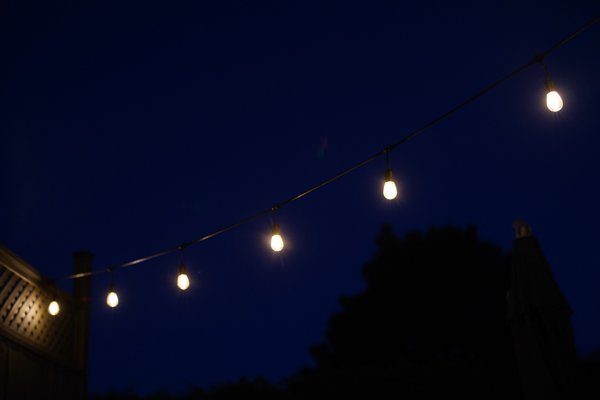
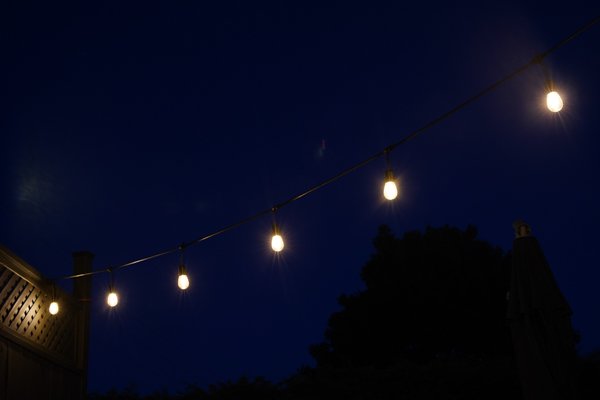
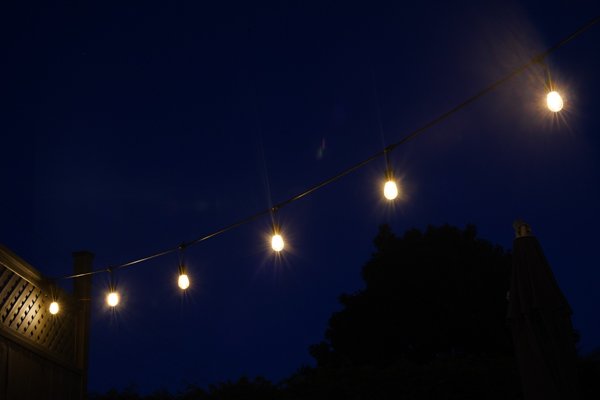
Starbursts
The Mitakon Speedmaster 50mm does not produce starbursts. Its 11 aperture blades and optical design prevent it from creating pleasing rays. At smaller apertures, there is a hint of the effect, but blurred and irregularly shaped.
Metering and Exposure
Despite the extreme range of apertures, during our tests the camera did not struggle to expose properly with the Mitakon 50mm. We did observe some exposure variation between wide open and medium apertures, possibly caused by the decrease in contrast which leads to a brighter total exposure. This didn’t happen at all times and was greatly dependant on the scene.



Sharpness
Sharpness, or a lens’s ability to resolve small details, is far from the only important characteristic of a lens, but it is probably the one which many users look at first. Soft images distract the viewer, while the sharpest point in an image draws the eye.
There are several ways to measure resolution. Some are quantitative, such as the number of lines per millimeter that can be resolved, while others are comparative, such as using a standardized scene to pit lenses against one another. We will use the latter, and supplement it with real-life examples below.
To evaluate sharpness, we use a standard test chart that can be used to compare lenses to one another. We place the camera and lenses at a distance of 100x the focal length, so that the chart occupies the same area on all test images. This results in a distance of 5 m in the present case. The chart is positioned successively in the center, on the edge and corner off the frame, testing all apertures each time. Focus is repeated for each position to avoid field curvature contributions.
This test will not show how good a lens can be. Quite the contrary, it is a stress test to illustrate the limits of a lens’s capabilities.
Resolution is of course sensor-relevant. For this test we use the A7C camera’s 24 MP sensor.
Test results at 50mm
The following images illustrate the results at all apertures at 50mm.

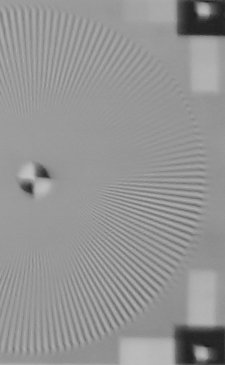
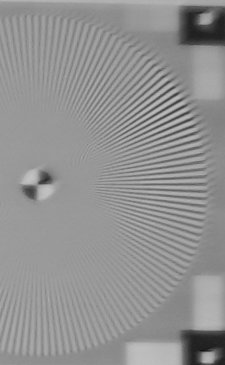

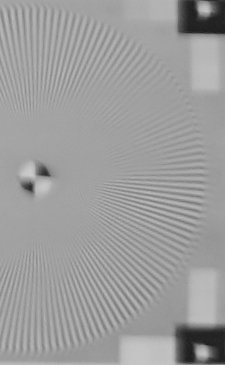
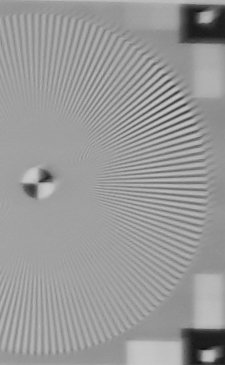

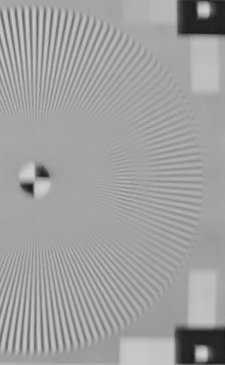
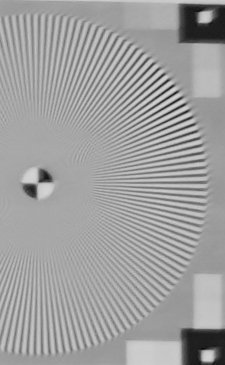















Center sharpness is excellent with apertures as small as F2.8. F2 is very good also. Wider apertures deliver what could generously be called a “dreamy” look, with decreased contrast and sharpness. The lens CAN be used at F0.95, but not with expectations of high resolution. Between F4 and F8, the lens is impressive in the center. F16 can be used, with slightly decreased resolution.
Edges and corners show comparable results at all apertures. Between F0.95 and F2.8 (which covers close to 4 stops!) resolution is poor: images are soft, quite simply. At F4 there is a visible improvement. At F5.6 and F8, edges and corners are not too far from center sharpness; this is very good. F16 shows again a small decrease in sharpness, while remaining usable.
Summary
The Mitakon 50mm can produce images with excellent edge-to-edge sharpness. F5.6 and F8 are best, F4 and F2.8 will deliver soft corners and sharp center (ideal for subject isolation), while wider apertures will produce a dreamy look with decreased sharpness and contrast.
Vignetting
Vignetting, or the darkening of corners at wider apertures, is both a defect and a feature, as it can be used creatively to put emphasis on subjects closer to the center, create a mood or a vintage look. It can also be corrected automatically by modern cameras so is less of a problem than in the past. That is only true for lenses with electronic contacts, which excludes the purely mechanical Mitakon 50mm.
The following chart illustrates the vignetting of the lens for full frame when left uncorrected.
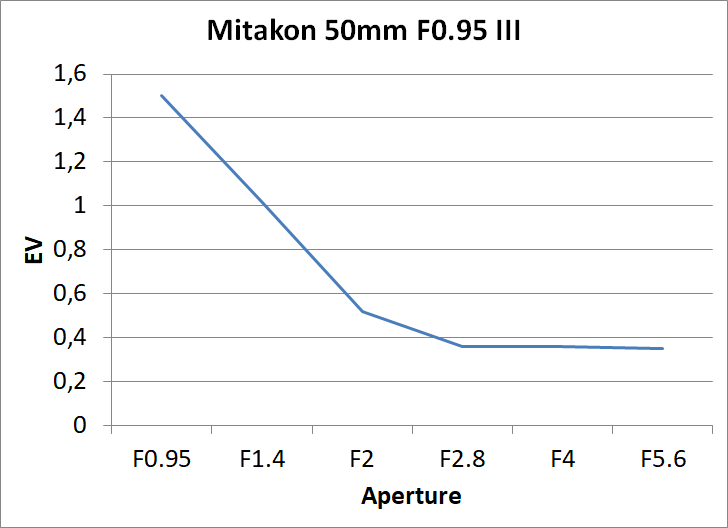
Vignetting with the Mitakon 50mm is present at wide apertures, but surprisingly well controlled. Reaching about 1.5 EV at F0.95, it will be noticeable with even surfaces such as a blue sky. Even by F1.4, vignetting drops to around 1 EV, a value below which the effect stops being visible in regular shooting. Already at F2 (a large aperture by all accounts) vignetting is only about 0.5 EV, and it drops below 0.4 EV as the aperture closes. These results are impressive; we have seen less ambitious lenses with much worse vignetting.
The images below show the lens’s vignetting at varying apertures.








Bokeh
Bokeh is a Japanese term describing the quality of the background blur. It does not relate to the depth of field but to the areas in the image that are beyond the range that is expected to be in focus.
Bokeh is highly subjective. In general, a smooth bokeh with blurred shapes and contours is perceived as being of a higher quality. A shallow depth of field does not always equate a more pleasing bokeh.
To evaluate the characteristics of the background blur, we took pictures at varying apertures, using a scene with a lot of detail and bright highlights. The following images show the results.








The Mitakon 50mm delivers beautiful bokeh. Of course, with such a wide maximum aperture, subject isolation is easy. Bokeh is more than this, however. The lens produces creamy textures with circular highlights. At F4 and below the background gets a bit busy, without becoming distracting. Transitions (as seen on the tree trunk) are gradual, and even strongly textured surfaces are rendered smoothly in out-of-focus areas.
Flare and Ghosting
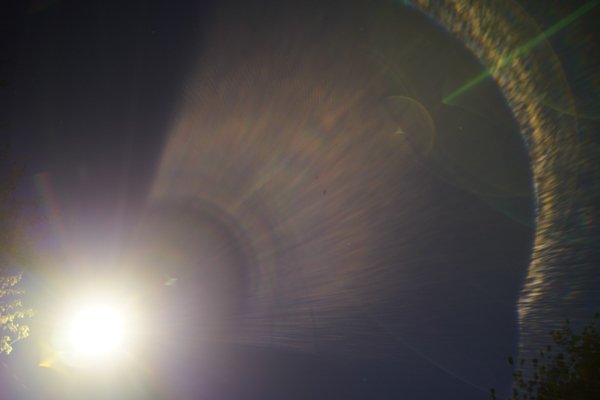
Flare is a decrease in contrast caused by reflections on internal lens elements. Ghosting is the appearance of orb-shaped artifacts in an image containing a light source, caused by the same internal reflections. High-quality coatings reduce the importance of flare and ghosting in an image.
We test flare and ghosting by taking pictures of a bright light source positioned at the center and on an edge of the frame, at varying apertures.
Test results at 50mm
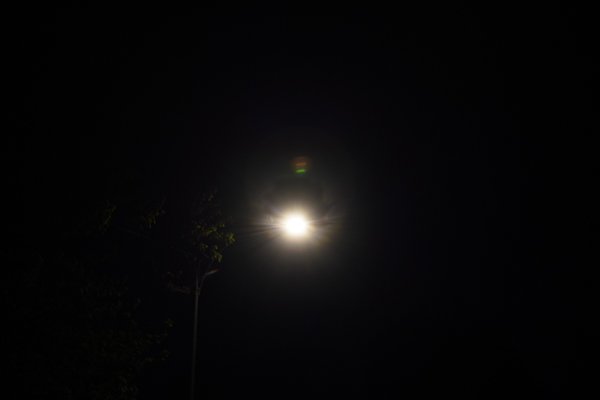
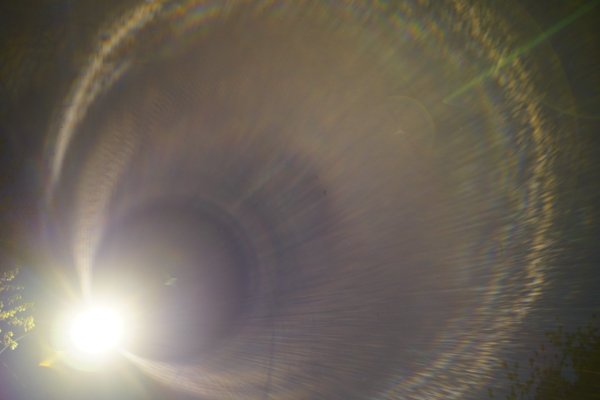
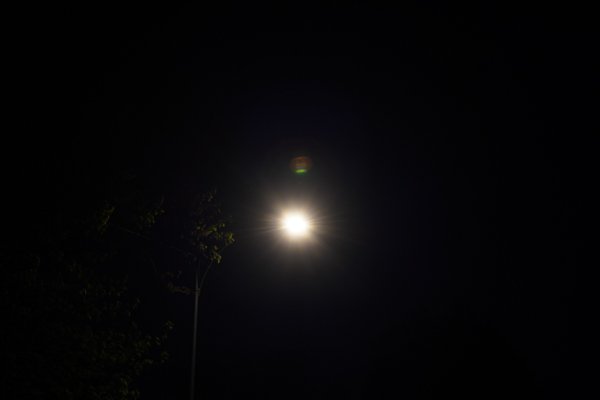
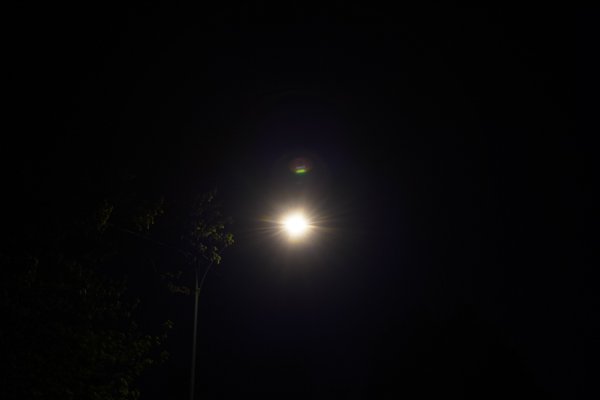
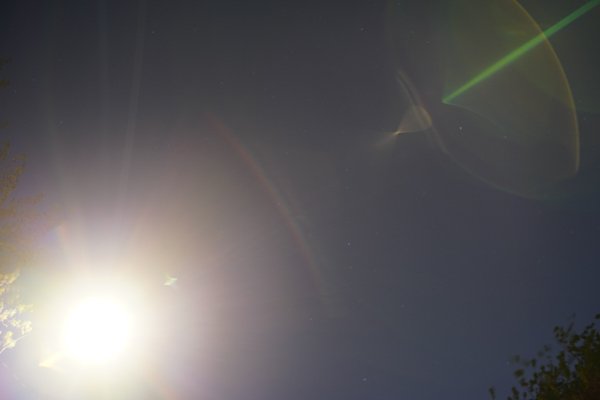
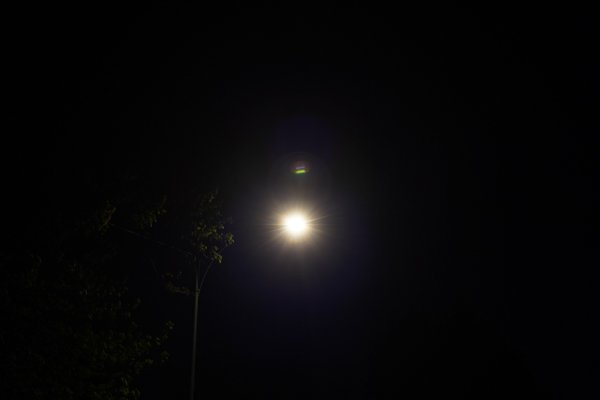
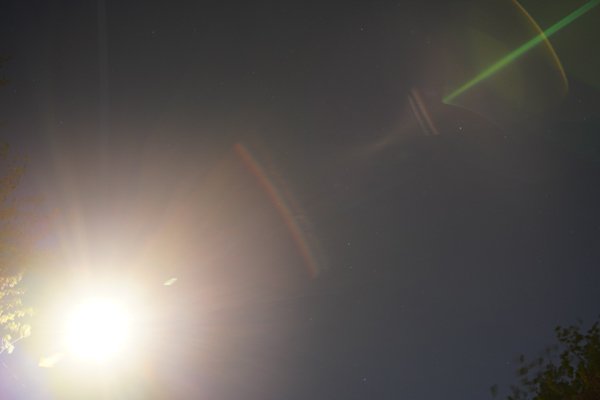
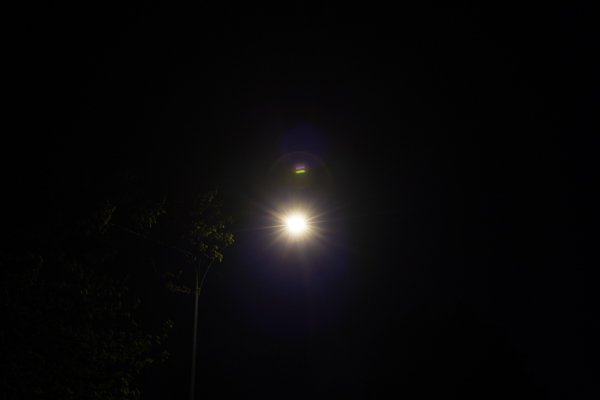
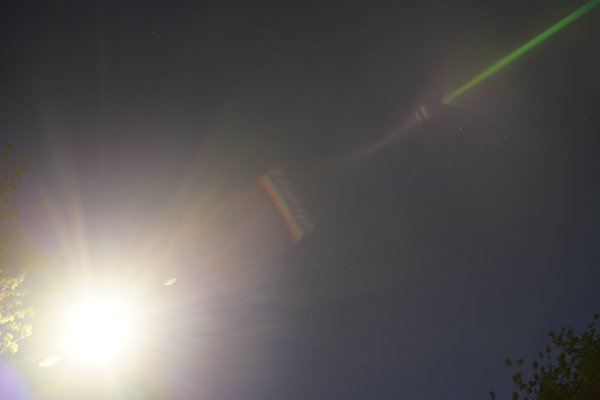
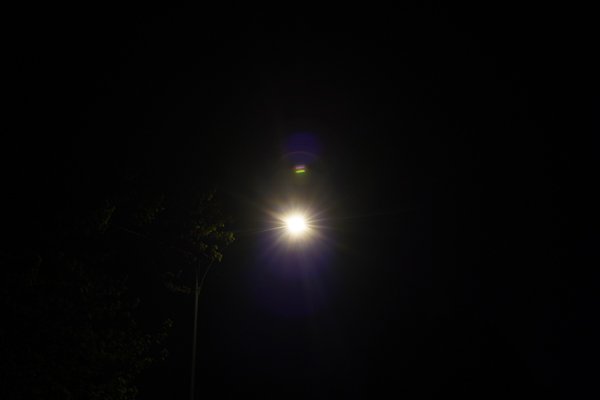
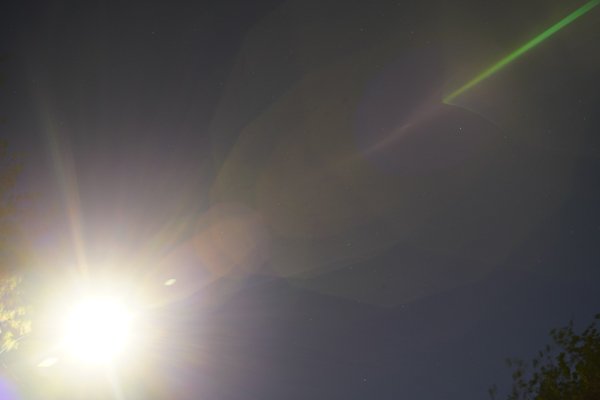
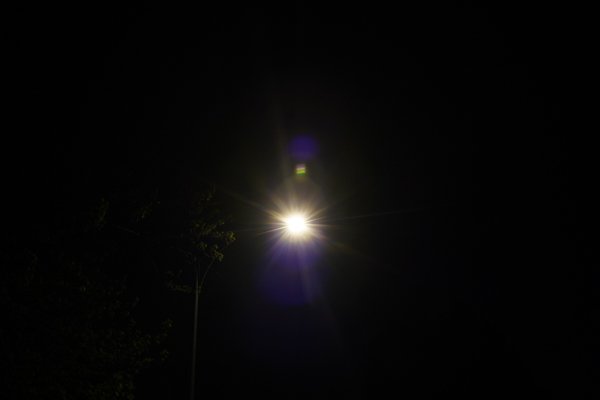
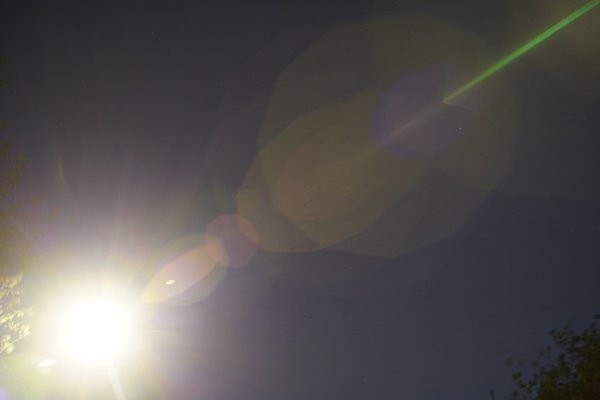
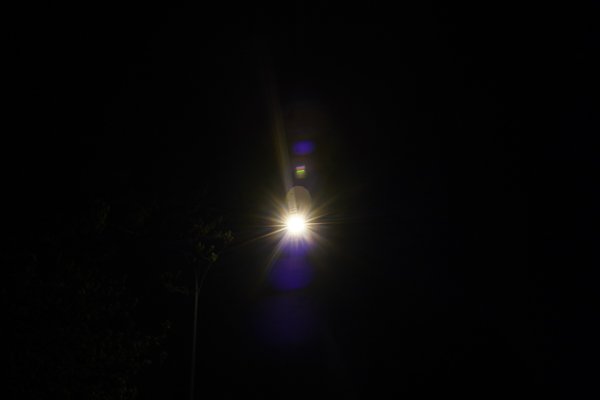
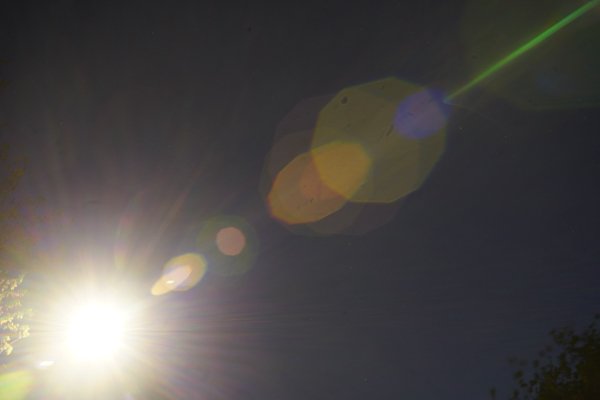
With the light in the center, the Mitakon 50mm Speedmaster III exhibits well-controlled flare. There are some ghosting artifacts, but they are few and unobtrusive.
With a strong corner light source, flare gets out of control. At all aperture, the lens shows a decrease in contrast. There are many ghosts and light bursts. Care will have to be taken when shooting with corner illumination.
Chromatic aberration
Chromatic aberration (CA) occurs because different colours do not always have the same focal point. With modern lenses designs, which are better corrected than vintage designs, this is more likely to occur in out-of-focus areas. CA effects are more visible near fast transitions from bright to dark areas.
Most modern cameras have built-in tools to remove CA. Digital manipulations can have an impact on other aspects of an image, thus it is useful to know how a lens performs when those automatic corrections are disabled. In the case of a purely manual lens, of course, there are no built-in corrections possible, although post-processing software can correct CA.
Our test sets up the camera at 45° and focuses on the center of the frame, with targets at the center, top and bottom. Images are captured at varying apertures at 50mm.
























In the central, in-focus region of the frame, there is no chromatic aberration to see at all. This is to be expected. In the top area, CA shows as a green edge visible between until F4. In the bottom part of the frame, CA is visible between F0.95 and F2.8. The effect isn’t dramatic, but will be visible in some situations at wider apertures.
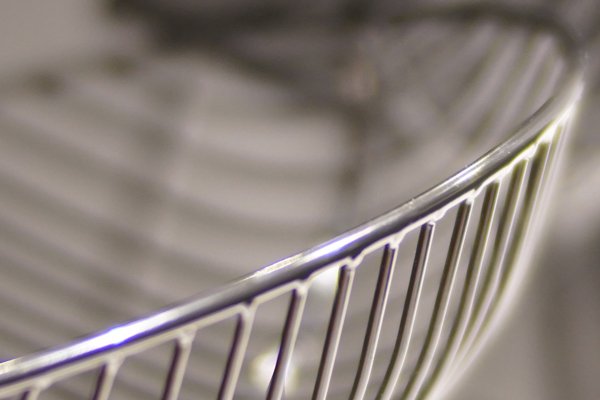
Purple fringing
We have observed several occurrences of purple fringing in our tests with the Mitakon 50mm. Those happened mainly at wider apertures and with high-contrast transitions. The image below shows the effect at its worse. (along with some chromatic aberration).
Distortion
Distortion refers to a lens’s ability to represent straight lines as straight lines… Wide angle lenses frequently generate barrel distortion, while longer focal lengths are more likely to cause pincushion distortion.
The Mitakon 50mm is a normal lens, and also a prime. As such, we expect some effort to be put towards controlling the amount of distortion. Lenses close to 50mm are among the easiest to design regarding distortion. As a purely manual lens, there is no built-in correction for this lens.
We use a standard test pattern of straight lines.
The image below show the uncorrected distortion figure.
50mm

The Mitakon 50mm shows 1% of barrel distortion. The effect will be visible in scenes with straight lines closer to the edges, or when the camera is tilted. The amount of distortion is not extreme, but “normal” lenses generally offer better distortion control.
Sample images
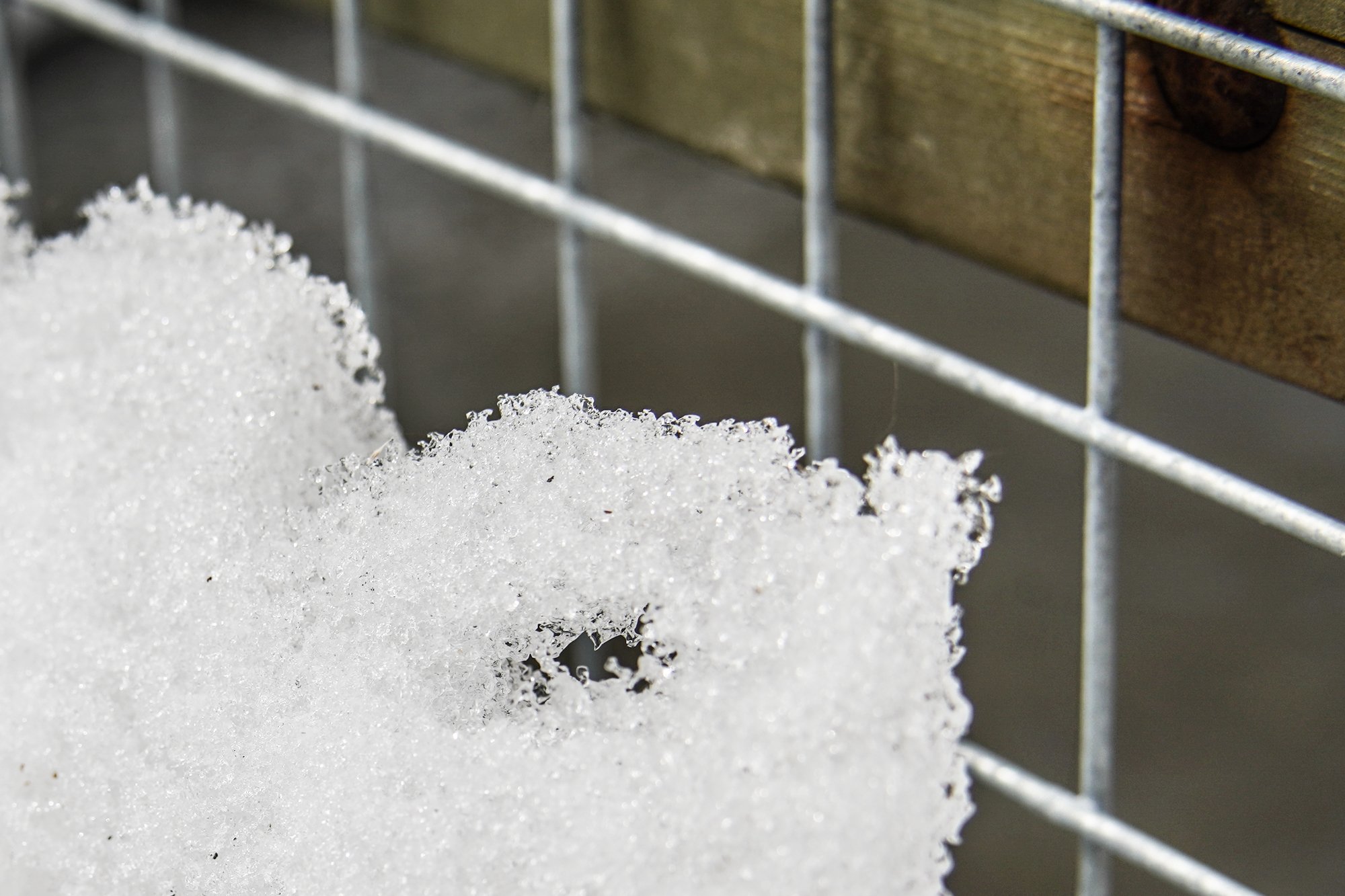
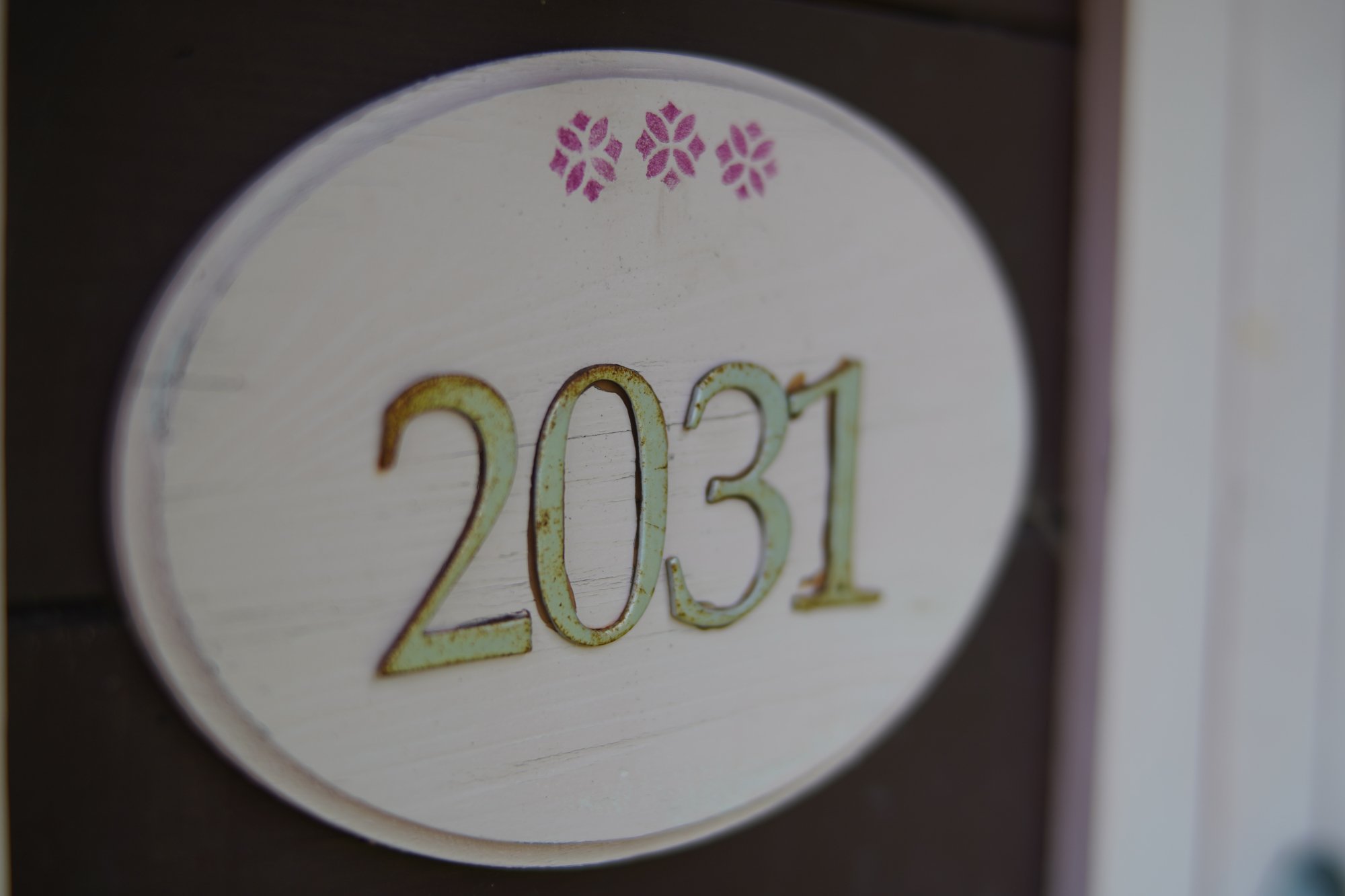
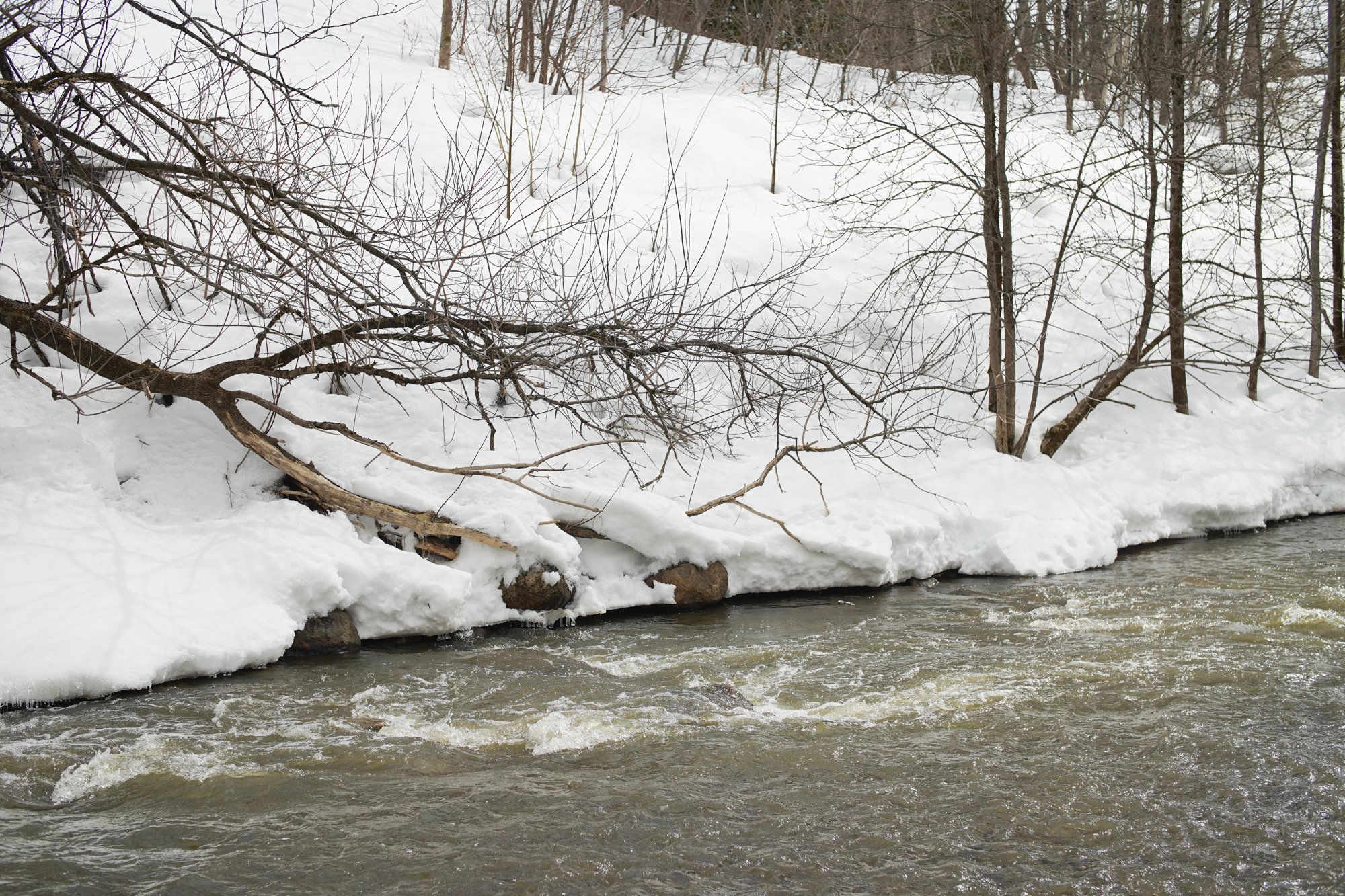
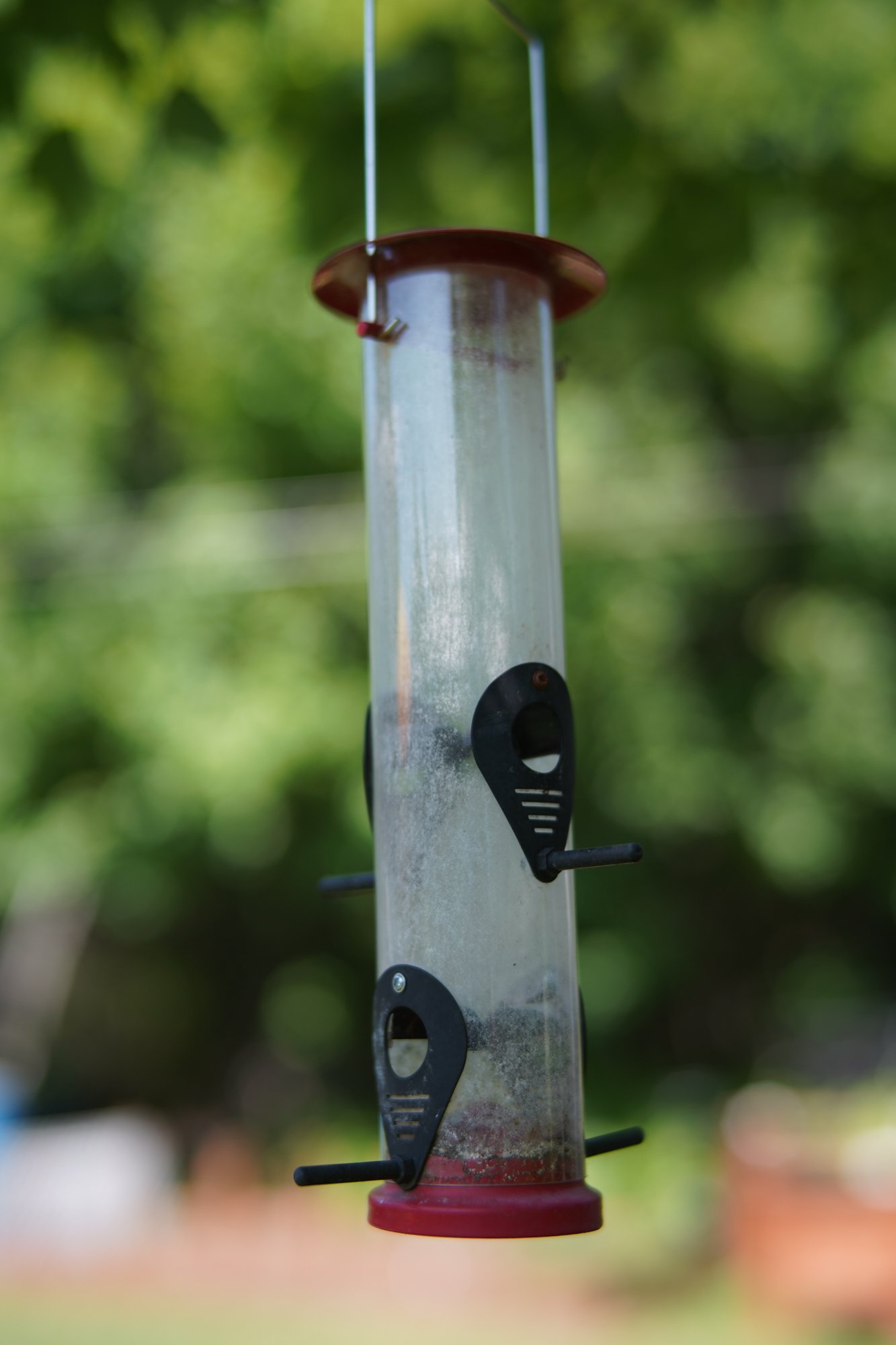
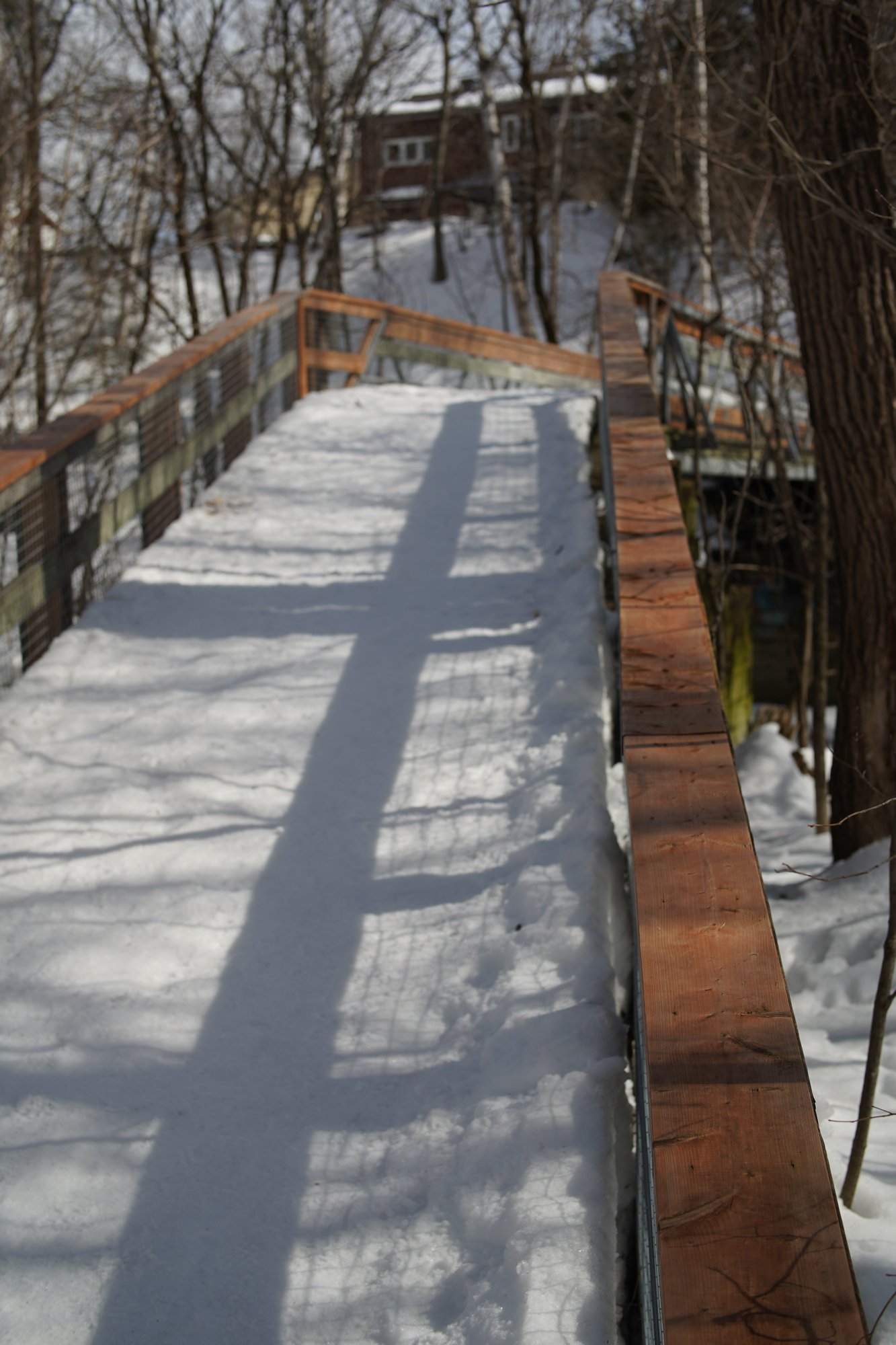
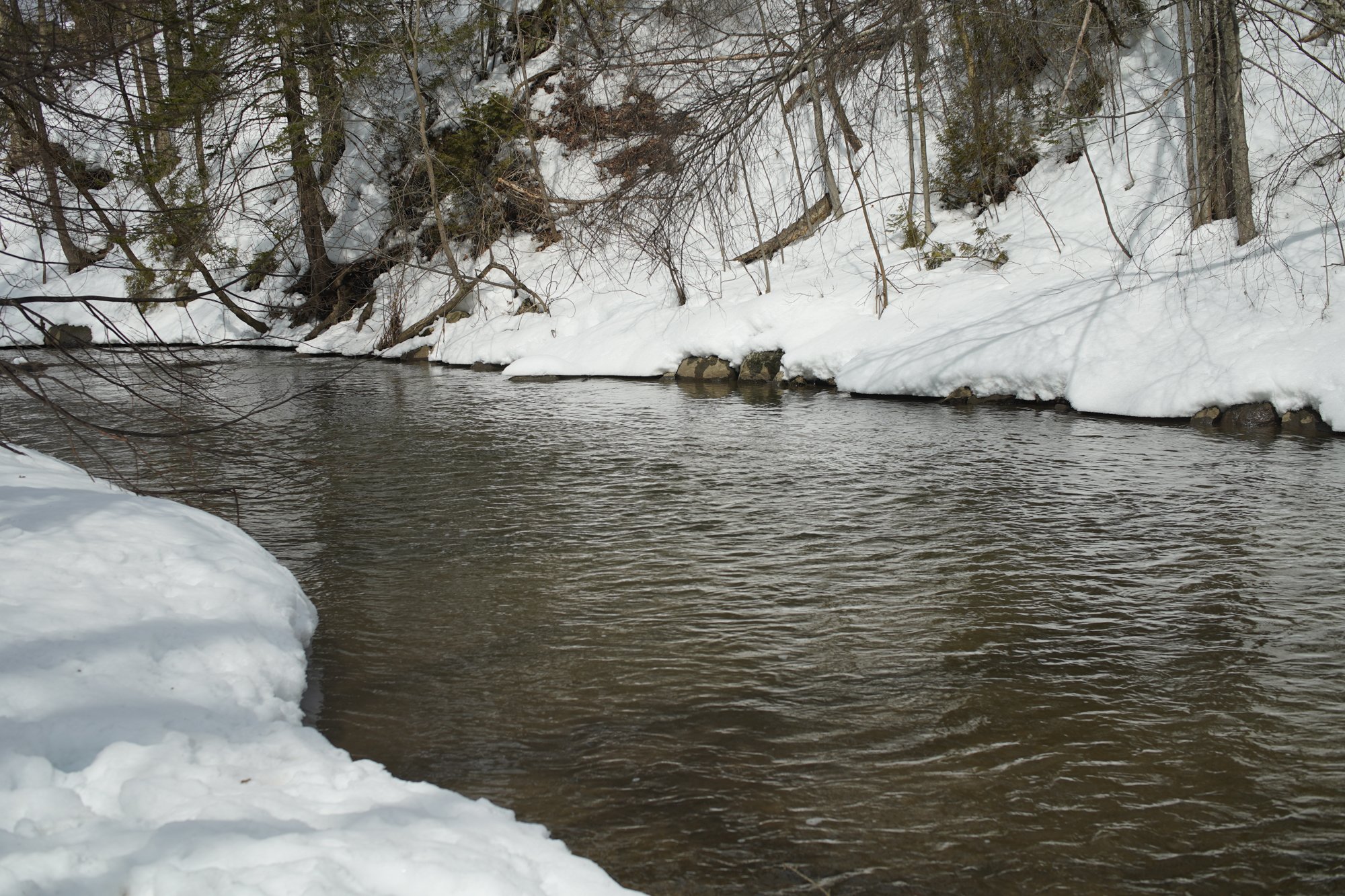
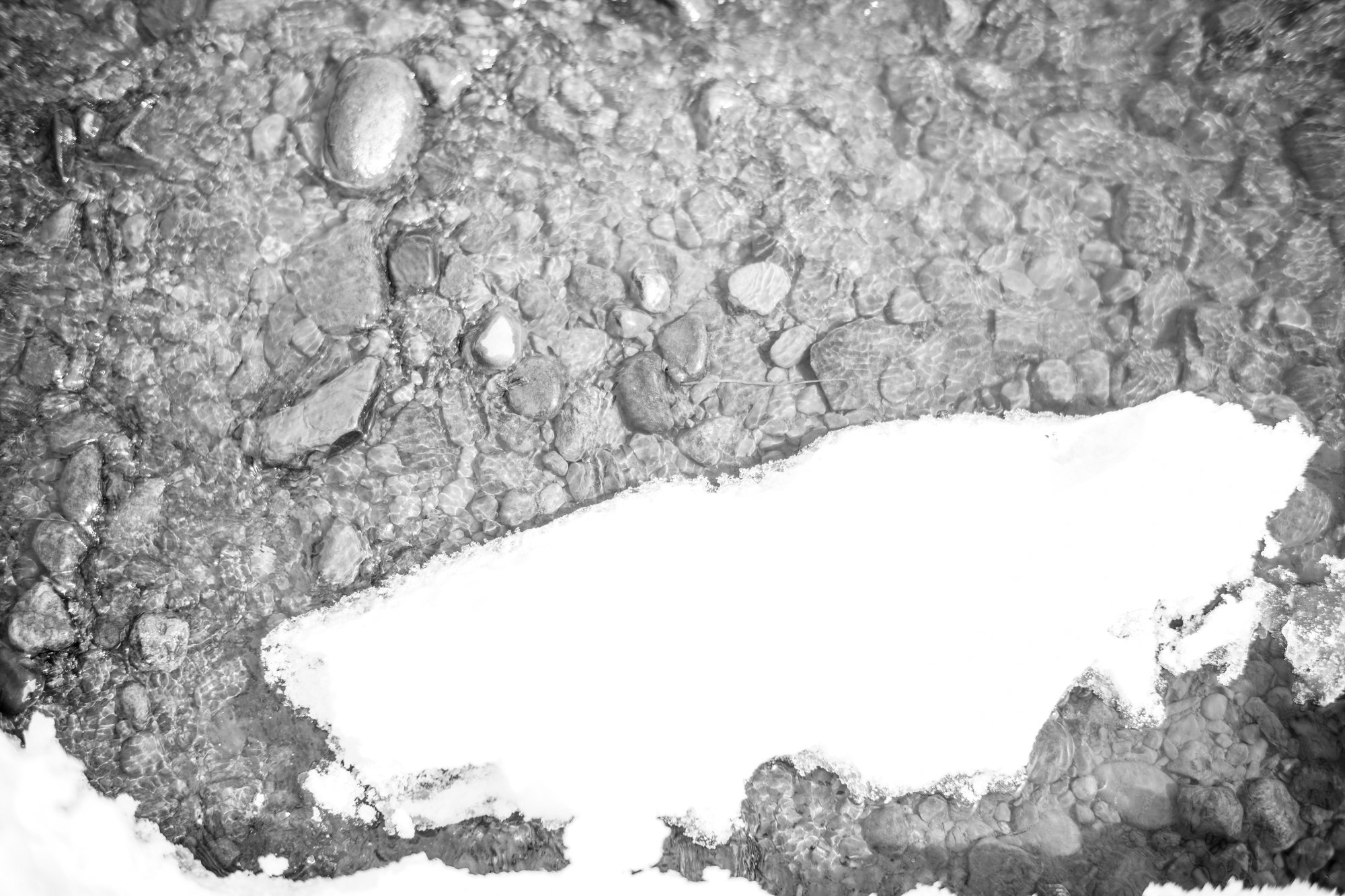
Here is a gallery of samples images captured with the Mitakon 50mm F0.95 III. You can click on individual images for a larger view.










Conclusion
The Mitakon Speedmaster 50mm F0.95 III is, of course, mainly remarkable thanks to its extreme maximum aperture, among the fastest lenses available on E-mount (or any mount for that matter). F0.95 will be enough to make the lens interesting for some, and is certainly a great conversation starter. Still, let us look beyond the aperture and evaluate how the lens performs.
Build quality is stellar. The lens is made of metal, with a robust build, smooth operation of its aperture and focus rings, nice engraving, easy to read markings. The lens is heavy, being full of glass, and will be front-heavy on smaller bodies. Not too large, it handles well nonetheless. The aperture ring is clickless, a good thing for videographers, but lacks a mark for F11. The focus ring has a huge throw, making adjustments slower but much more precise. This is welcome given the large maximum aperture, where precise control is necessary.
Optical performances are mostly good, with caveats. The lens is, for many aspects, a mix of two regimes. At F2.8 and below, sharpness, contrast and CA are unimpressive while bokeh is superb. At smaller apertures, all of these elements improve tremendously but the uniqueness of the lens is wasted.
In more details, center sharpness is excellent starting at F2.8. Edges and corners are best at F5.6-F8. Chromatic aberration is visible in out-of-focus areas but not overly bothersome. It is also easy to correct.
Distortion is visible but well controlled, reaching 1%. Not dramatic but higher than expected for a normal focal length.
Bokeh and out-of-focus rendering are beautiful. The lens’ 11 straight aperture blades certainly come into play. Highlights remain circular at all times, although they become more defined and distracting at smaller apertures. Textures are smooth and transitions are not too harsh.
Flare and ghosting are minimal with the light in the center, and overwhelmingly present with corner illumination. This is one of the main weaknesses of this lens.
Starbursts are absent and users should not expect any pleasing rays around light sources.
Vignetting surprisingly good. It is present at wider apertures, something to be expected with an F0.95 lens, but not overwhelming. It becomes negligible beyond F2, still a wider aperture value than the maximum of many other lenses.
Focusing is fully manual, with a pleasingly dampened focus ring, a very long throw, and good accuracy. To precisely nail focus, it is often advisable to open the aperture close to the maximum, focus, then close it down to the desired value afterwards.
These results show that the Mitakon Speedmaster is much more than “just an F0.95” lens. It does come with compromises at its widest apertures, mainly CA, contrast and sharpness, but in the right conditions, it is an optically excellent lens. Bokeh and vignetting are two strong aspects, as is sharpness at medium apertures. The build quality is superb and the lens feels durable.
At $799 (and frequently discounted as low as $449), this lens brings a lot to the table. It is, of course, fully manual, but it is a moderately inexpensive way to obtain a truly ultra-wide-aperture normal lens.
Pros
- Solid metal body
- Unique F0.95 aperture
- Excellent center sharpness at most apertures
- Very good edge and corner sharpness at medium apertures
- Low vignetting
- Minimal flare with center illumination
- Accurate manual focus
- Smooth and beautiful bokeh even with busy scenes
Cons
- Lower sharpness and contrast at wider apertures
- CA and PF present in out-of-focus areas
- Extreme flare with corner illumination
Before You Go
Do you already own this lens? Are you curious about it? If you do, we’d love to hear your thoughts in the comments below.


Leave a Reply